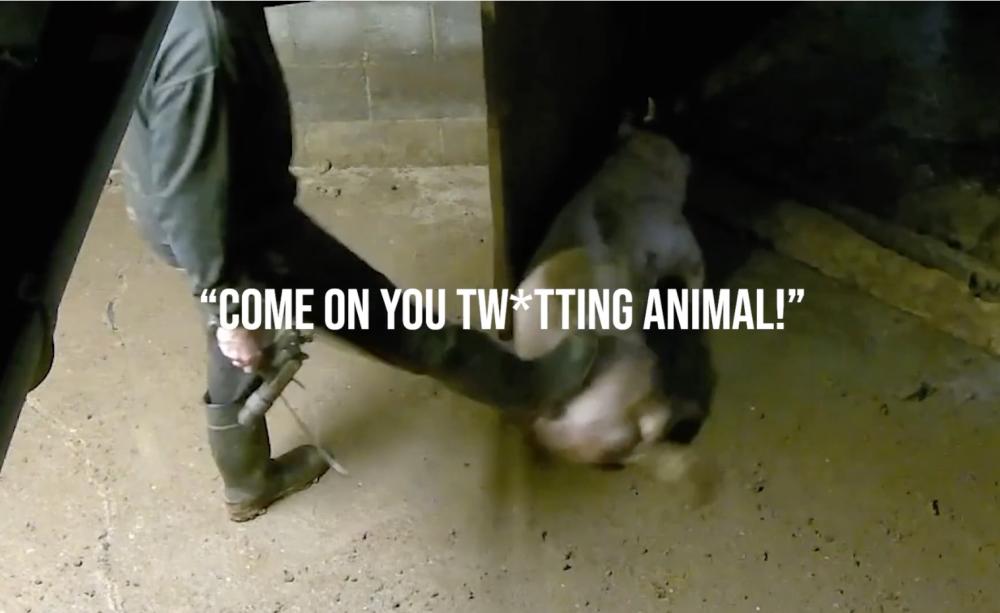
Slaughterhouses ask workers to perform an act that many psychologists have linked to trauma, stress, and emotional numbing.
As high temperatures inside UK workplaces reignite debate about worker protection laws, I have flashbacks to the hellish work environment I endured for years: a slaughterhouse.
There, it wasn’t heat that fuelled madness and despair, but the work itself: mechanised murder on an unimaginable scale.
I didn’t set out to slaughter animals. Fresh from school, with limited opportunities, I entered a youth training scheme to become a butcher.
Mothers'
High unemployment saw such schemes oversubscribed, and within six months, I was moved to the abattoir, where my first duty was to watch a cow being killed, a test of my mettle.
The killing wasn’t clean or quick as I imagined. Instead, the cow kicked and thrashed after having her throat cut, blood spurting from the gash, her eyes wide with horror. Still, I needed the work, so I hid my true reaction.
My first kill was a lamb. I remember feeling sick while they cowered. I caught their eye. I shouldn’t have. Over the years, I saw, or was instrumental in, the deaths of countless pigs, cows, sheep and horses.
Sometimes, dairy cows who’d collapsed from illness or exhaustion were dragged in, too weak to walk. Some were pregnant, and we’d slice them open to remove the calf.
If the calf was healthy, they’d go back to the farm. If not, we’d slam their head on the concrete floor. The look in those mothers’ eyes remains the nearest thing to 'given up' I’ve ever seen.
Protect
Animals are individuals, and they all faced the knife differently. Some tried to flee, others would cower. Some bravely fought.
Britain's meat industry employs tens of thousands of people, many of them in around 200 slaughterhouses where more than one billion animals are killed every year. No one goes into it for money. It’s a job that pays the bills – at a cost.
Slaughterhouse workers face depression and anxiety rates up to 50 per cent higher than the general population, leading to coping mechanisms ranging from dark jokes to substance abuse.
Workplace bullying and physical altercations are common, the labour is backbreaking, and injuries, from fractures to electrocutions, are frequent. A 2025 raid of a Manchester abattoir uncovered ‘modern slavery’, with one worker living metres from where animals' throats were slit.
Britain’s worker protection laws are built on the principle that employers should prevent foreseeable harm to employees and protect employee health, including mental health.
Perpetration
Yet slaughterhouses ask workers to perform an act that many psychologists have linked to trauma, stress, and emotional numbing. If the source of that harm is the job itself, how can any employer truly comply with the spirit of those laws?
Unsupported, workers self-soothe. I drank my way through growing aggression. I heard that some of my coworkers beat their wives and kids.
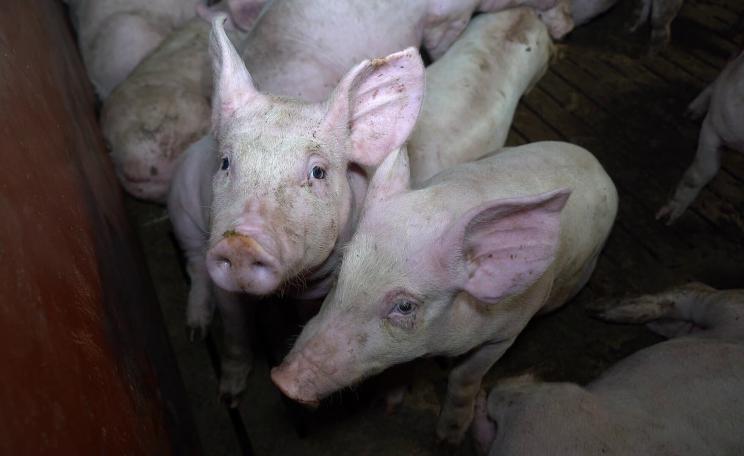
Slaughterhouses ask workers to perform an act that many psychologists have linked to trauma, stress, and emotional numbing.
Each night, I’d lie awake, reliving the day’s hell. When I close my eyes, I still see the face of one particular pig, who, un-stunned and fully conscious, was dropped in the scalding tank. Her screams, as she felt every drop of the boiling water melting her skin, echo in my ears to this day.
No laws, support programs, or management improvements can mitigate the trauma that’s core to animal slaughter. It’s simply an industry that shouldn’t – and needn’t – exist.
Evidence suggests - and I can attest - that slaughterhouse workers experience post-traumatic stress disorder (PTSD), and specifically, perpetration-induced traumatic stress (PITS), where the person is involved, or believes they are, in creating the trauma they face.
Toll
Unsurprisingly, slaughterhouse work is linked to crime, including sexual violence, and suicide. One guy I worked with went to his mother’s door, poured petrol over himself, drank it, then set fire to himself as she answered.
Meanwhile, Britain’s demand for the products of such suffering is celebrated, and suggestions to ditch them are opposed, even though animal-free diets are also healthier and more environmentally friendly.
My story isn’t a ‘woe is me’ tale, or a call to value humans over other animals. Humans are animals. But, if it made you cringe, cry, or feel sick with rage, let it be a reminder that it’s your actions, not butchers’, that put animals on the kill line.
Every time you buy animal flesh or secretions, you send another animal down the chute, into the blood-soaked hands of a worker who's either crippled with trauma or growing increasingly desensitised to violence.
Animal agriculture can never be reformed by animal or worker welfare laws. It must be dismantled, and that power lies with each of you. Please, leave animals off your plate and help free both them and workers from the terrible toll of slaughterhouses.
This Author
Doug Maw is a slaughterhouse-worker-turned-vegan who penned this piece on behalf of People for the Ethical Treatment of Animals, PETA.