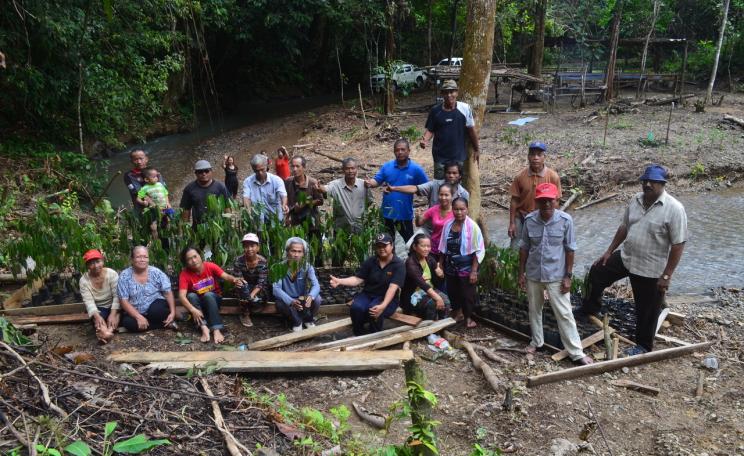
We are told there is a choice between forest and food. But in reality it is industrial processes that are destroying sustainable farming and the ecosystem. KIRTANA CHANDRASEKARAN discusses a new report from Friends of the Earth International which suggests agroecology is an alternative that can respect people and planet
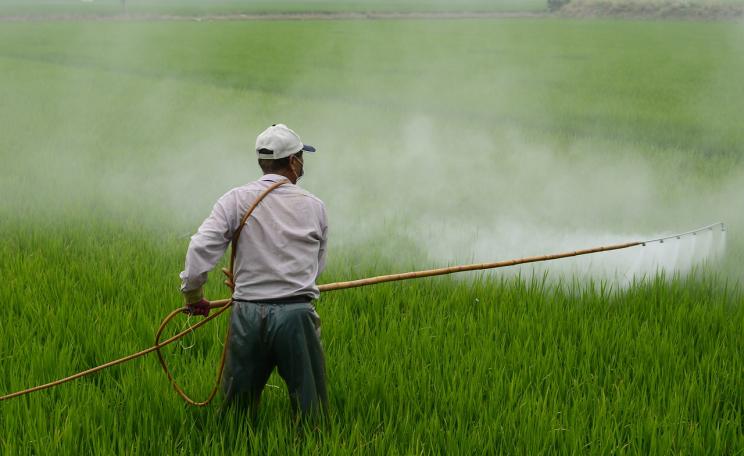
Scientists from the University of Sheffield have identified factors which are driving the evolution of herbicide resistance in crops – something which could also have an impact on medicine as well as agriculture. BRENDAN MONTAGUE reports
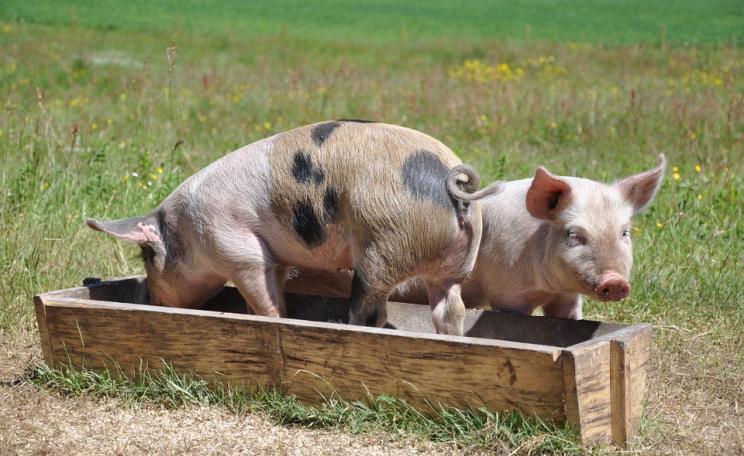
Animals bred for meat now consume a third of all vegetable crops. This has increased dramatically since a ban on pigswill following the Foot and Mouth outbreak in the UK. But it is an appalling waste. Japan can show the way to feeding pigs our waste food which is safe, argues the Green MEP MOLLY SCOTT CATO
A total of 60 civil society organisations from Indonesia and Europe have signed a joint statement laying out serious concerns with the EU-Indonesia trade agreement. These behind-closed-doors trade negotiations - like CETA and TTIP - jeopardise an equitable and just future. KATIE HODGETTS explains why
Appalling conditions have been found at a farm supplying meat to a Spanish sausage brand stocked at Morrisons and high street butchers. JAVIER MORENO, the executive director of Animal Equality Spain, argues that this is not an isolated incident. He hopes the latest undercover investigation could be a turning point for animal welfare
Trends shaping consumerism, transport and farming could provide answers for some of the world’s sustainability problems, according to the think tank Forum for the Future. CATHERINE EARLY reports
'Climate smart agriculture' has become the buzz phrase at high level international policy discussions. But now there is a struggle over its definition. Is it the latest manifestation for corporate social responsibility or the title of a manifesto for real, grassroots led, change, ask PETER NEWELL, JENNIFER CLAPP and ZOE BRENT
Michael Gove, the environment secretary, will today announce plans to radically reform the payment of farm subsidies - in the wake of Brexit. If the promise is kept and the changes implemented well these changes could support a growing minority of farmers attempting to end soil depletion and economic destruction.
The All-Party Parliamentary Group on Agroecology for Food and Farming has warned poor international trade deals made following Brexit could have a significant impact on British farmers - and in turn the regional and global environment. BRENDAN MONTAGUE reports.
Britain is known as a nation of animal lovers. It is the birthplace of Watership Down, Peter Rabbit - and Animal Farm. But the meat, cosmetics and other animal dependent industries are also a large part of the British economy. Until now, EU regulations have improved animal welfare. As the country prepares for Brexit, HELEN BROWNING asks whether animal sentience will remain recognised by UK law.
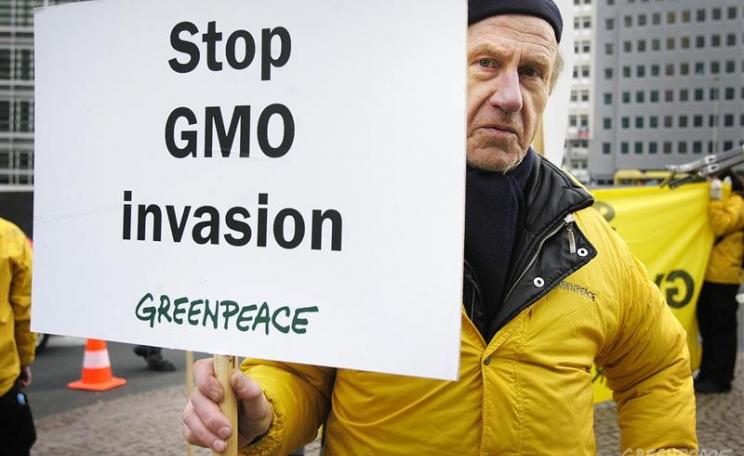
The Big Gene Gathering took place Herefordshire during 1997 and the following December the UK's anti-GMO movement was born. DR DAVID KING has been an activist in the movement since the beginning. Here, he explores the reasons for the campaign's success - and assesses the threats ahead
A major new scientific report reveals how organic agriculture can help feed the world whilst reducing the environmental impacts, PETER MELCHETT, of the Soil Association delves into the data.
A new report from the Sustainable Food Trust reveals that the £120 billion spent on food by UK consumers incur additional, hidden costs of a further £120 billion. The largest proportion of the hidden costs are from damaging impacts of intensive production methods and food-related healthcare, reports EMMA ROSE
The use and spread of palm oil is beyond imagination; from cooking and manufacturing to pharmaceuticals and drilling fluids, it is even in nanny's chocolate cake. Its global consumption may have increased more than any other good, but what does this entail for the farmers? The crisis in Edo State of Nigeria speaks for itself, reports BURAG GURDEN
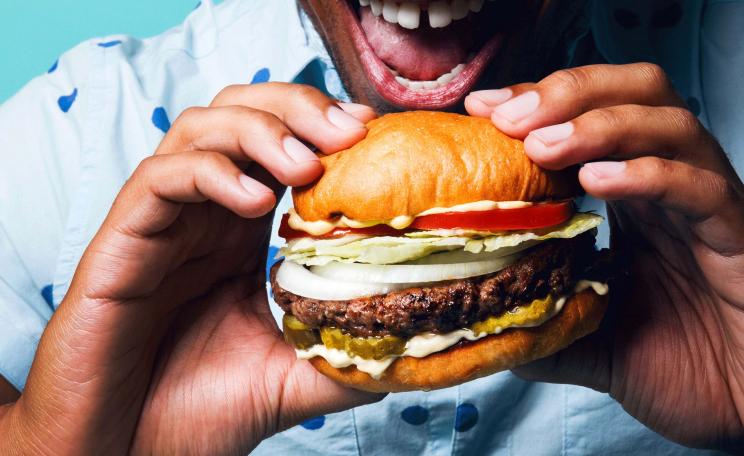
The development of meat-like foods is introducing GM and novel technology into our diets. This presents new risks to our health, but also to the complex development of behaviour to prevent environmental destruction, argues PAT THOMAS