There has been a huge rise in demand for vegan and vegetarian meals at cafes and restaurants across Britain - often from meat eaters. CATHERINE EARLY reports
The nature of Britain's trade deals with the United States after Brexit raises serious concerns about the quality of food on supermarket shelves - and the influence of vested interests in the meat industry, reports LAWRENCE CARTER of EnergyDesk, Greenpeace.
On 20th May 2017, the Animal Legal Defense Fund hosted its third annual Animal Law Symposium in Los Angeles, California. It brought together legal professionals and animal advocates from all around the nation to focus on the latest answers to a very important question: How can we best protect wild animals when human activity increasingly runs counter to the interests of wildlife? One of those advocates, STEPHEN WELLS, says we can no longer afford to ignore the devastating impact of animal agriculture
Though the Earth loses forests at an alarming rate, the EU has yet to take decisive action against the most severe causes of deforestation. The EU must now act swiftly to ensure its consumption no longer drives forest destruction, writes SÉBASTIEN RISSO
Almost since the advent of genetic engineering the food industry, the research establishment and parts of the media have been saying that the public is becoming more accepting of the technology. However, with no credible independent evidence to support this view it remains little more than wishful thinking and as this new survey, conducted by Beyond GM shows, most diners want to see more transparency about what's actually in our food
With the diversity of food crops falling dramatically and just three giant corporations controlling over 75 per cent of the global seed supply, it's no wonder people feel disconnected from their food. LAURA BRIGGS learns more about a new UK Seed Co-operative which aims to redress the balance
Communities across Papua New Guinea oppose the theft of their land for logging and palm oil operations made possible by the corrupt practices of local officials and foreign companies.
FRÉDÉRIC MOUSSEAU reports
Supported by state and national governments, palm oil plantations are advancing over the rainforest hills of Sabah, Malaysia, writes Sophie Chao. In their way: the indigenous Murut of Bigor, whose culture, livelihood and very lives are under threat as forests and farms fall to chainsaws and bulldozers, enriching loggers and distant investors beyond the dreams of avarice.
How to make farming 'climate friendly' was one of the hot topics at COP22 in Marrakesh, writes Natalie Bennett, with two contrasting models on show: 'climate smart' agriculture, with its reliance on industrial farming systems; and agroecology, which works with nature to build fertile, high-carbon, moisture-retaining soils, and sustain employment for millions of skilled land workers.
Malawi is a country on the front line of climate change. Unlike nations ravaged by a typhoon or rich western cities swamped with floodwater, the kind of impacts Malawians face barely raise a flicker of interest in the media. Compared to a hurricane, a few degrees of temperature rise and shifting rainfall patterns sound mild, but in reality they have the potential to be far more devastating writes JOE WARE
A study of GMO cotton varieties shows they disrupt an important beneficial soil fungus, writes Eva Sirinathsinghji, apparently due to the Bt insecticide they are engineered to express. Disruption caused by the transgenic cotton to mycorrhizal fungi, and the wider soil ecosystem, may underlie the low yields and poor pest resistance now endemic among Bt GM crops.
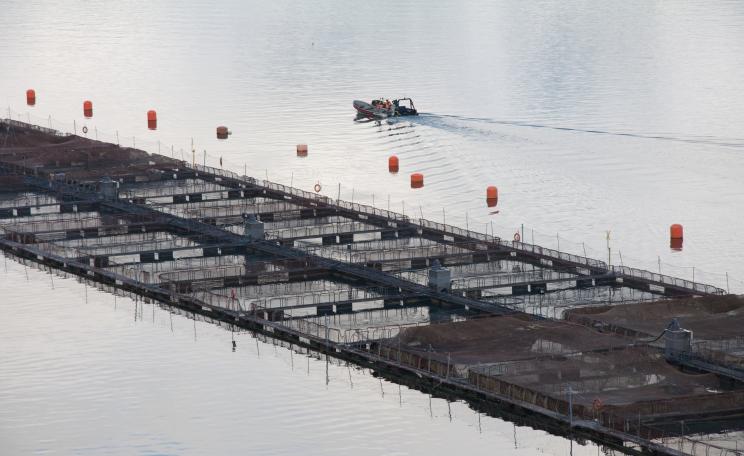
There are currently over 3,000 applications to establish new salmon farms in the Patagonian regions of Magallanes and Aysen waiting for approval. Have we leaned nothing from the damage to the environment caused by Chile's salmon farms asks Florencia Ortúzar
In the first of our new WITNESS series of blogs, food anthropology researcher YVONNE ADEBOLA suggests a 'One Health' approach to childhood obesity which recognises the ecological impact of modern food systems on the environment and on our collective health and wellbeing
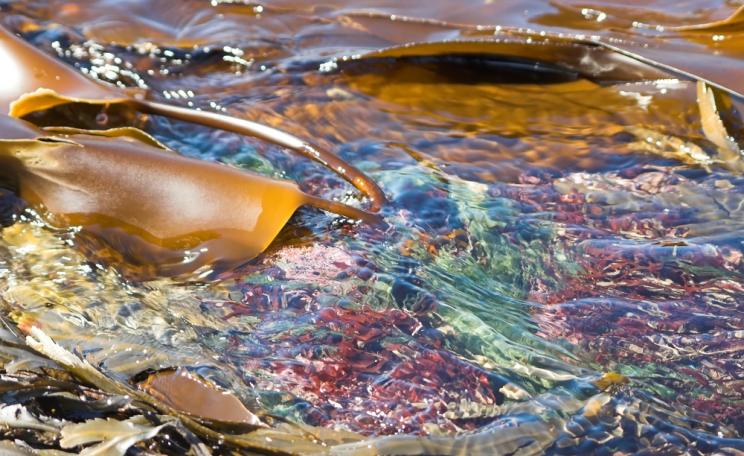
Seaweed is known for its culinary uses and has seen a renaissance in past years thanks to its health claims and a distinctive taste - but there are more ecological benefits to seaweed that currently remain untapped.
Ethical Foodie chef TIM MADDAMS puts the blame for the animal welfare abuses we reported recently at the door of consumers who are turning a blind eye to the true cost of cheap meat