Australian educator, author and co-inventor of Permaculture, Bruce Charles 'Bill' Mollison, died on the 24 September 2016 in Sisters Creek, Tasmania. He has been praised across the world for his visionary work, and left behind a global network of 'peaceful warriors' in over 100 countries working tirelessly to fulfill his ambition to build harmony between humanity and Mother Earth.
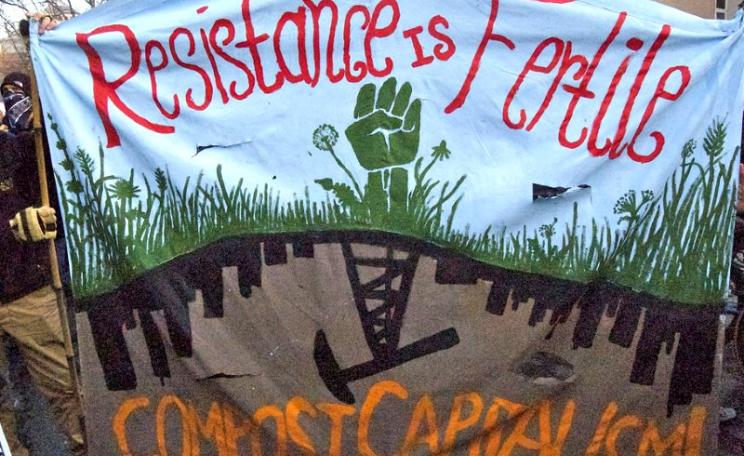
Bayer's $66 billion takeover of Monsanto represents another big click on the ratchet of corporate power over farming and food, writes Colin Todhunter. With the 'big six' of global agribusiness now set to turn into the 'even bigger three', farmers and consumers are facing more GMOs and pesticides, less choice, and deeper price gouging. Agroecology has never looked more attractive.
Thousands of British farm animals are subjected to needless pain and distress - six times a day on average - as they are slaughtered according to the Bureau of Investigative Journalism.
At a post-Brexit crossroads, we may still articulate a new vision for the countryside, one which expresses the concerns and desires of stakeholders - farmers, conservationists, land and land tenure reform advocates, communities, and environmentalists writes JAMES LUCHTE
In his new column for the Ecologist, chef and campaigner TIM MADDAMS tackles the big question - how do we reduce the environmental impact of the food we buy?
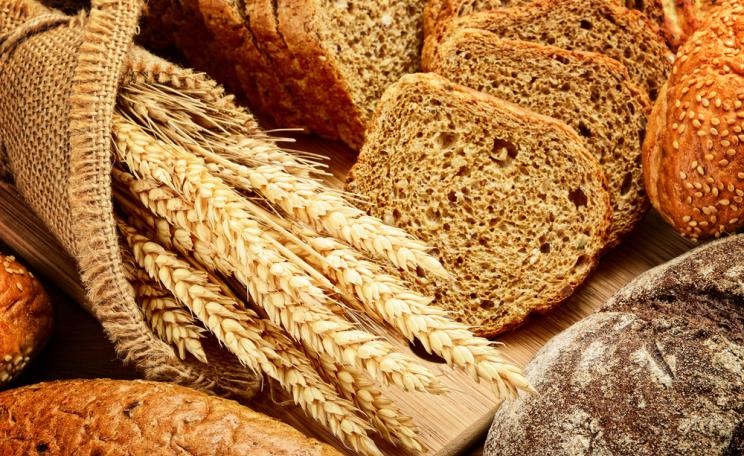
The Soil Association is calling on bread producers and supermarkets to stop making and selling bread products that contain traces of Glyphosate. LAURA BRIGGS reports.
The European Parliament today called on the Commission and member states like the UK to stop funding the 'New Alliance' plan to force export-oriented agribusiness onto Africa. Instead they want support for small-scale family farms and agroecology.
From sheep food to chili peppers - the new seed stores being deposited this week at the Arctic Vault take the world a step closer to future food security say the participating organisations
The corporate war on traditional farming is nowhere fiercer than in India, writes Colin Todhunter. After decades of the 'Green Revolution' that have impoverished the nation's soils, water, biodiversity and cultivators alike, agribusiness is poised for its final strike. But now the small scale farmers who produce most of the country's food are rediscovering ancient agroecological alternatives.
GMO crops are marketed as providing quick fixes to complex problems, writes Julia Wright. But they only perpetuate 'business as usual' farming that's depleting soils, water and biodiversity, and entrench unsustainable models of agriculture in place of agroecological systems that work with, not against, nature.
Among Cuba's greatest achievements is its organic farming sector, writes Miguel Altieri. Developed in the 1990s following the collapse of the Soviet Union, small agroecological farms now employ 300,000 campesinos and provide an abundance of healthy fruit and vegetables. But now US food and agribusiness corporations are eyeing up a multi-billion dollar business opportunity.
BASF are to halve their GM research and development and reduce the time spent on developing these technologies, writes Peter Melchett. Given the many problems that GM agriculture is facing, and that new non-GE technologies offer such valuable benefits as increased crop yields, does BASF's announcement spell the beginning of the end of GM crops?
Conventional agriculture has made an enemy of evolution as pests and diseases develop resistance to biocides and over-bred hybrids succumb to them, writes Salvatore Ceccarelli. But there is another way - for farmers to participate in breeding seed lines that are continuously adapting to their environment, with ever improving yields, flavour, pest-resistance, and other sought-after qualities.
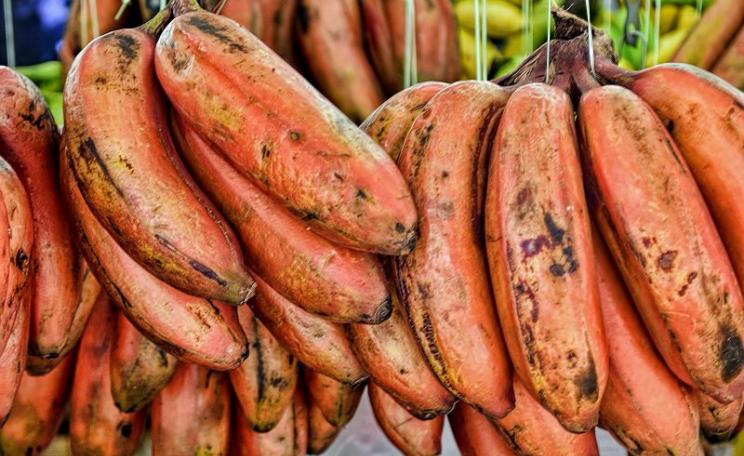
The Gates Foundation has received a 57,000 strong petition denouncing its support for a 'biopirated' GM banana program in Africa, and calling on it to suspend a feeding trial on US students, writes Vanessa Amaral-Rogers. The banana threatens both the health of the students, say campaigners, and the future of African agriculture.
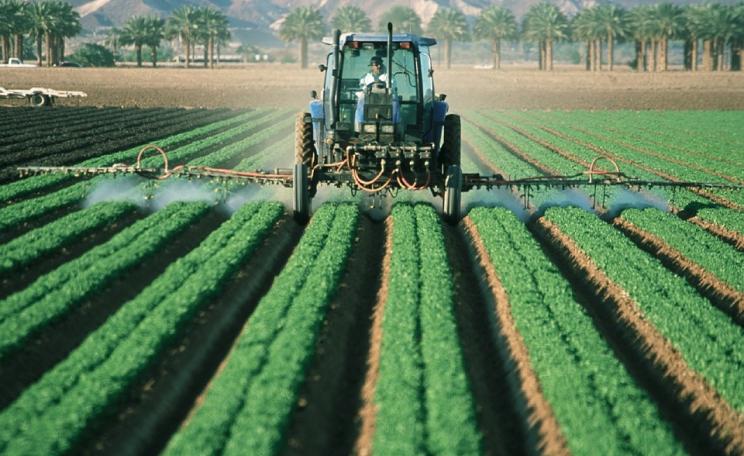
The global use of glyphosate has rocketed over the last decade thanks to the introduction of 'Roundup ready' GM crops, writes Vanessa Amaral-Rogers. But since IARC classified the chemical a 'probable carcinogen', and with the spread of resistant superweeds, the tide may finally be turning.