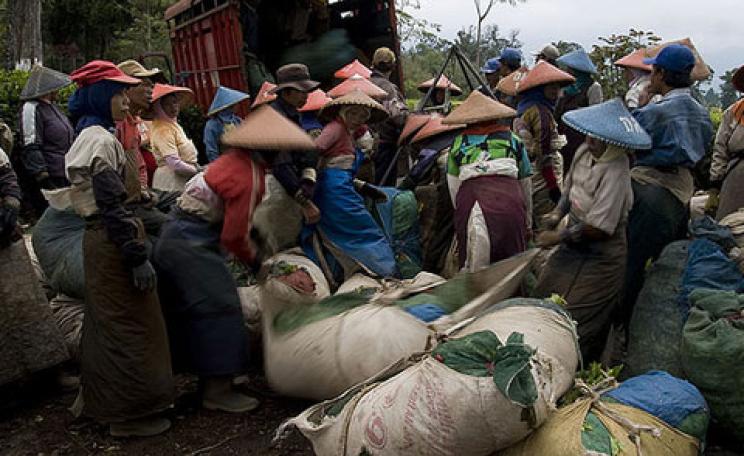
Human rights violations have been reported at plantations in virtually all major tea producing countries, while tea growing itself has a profound effect on the local environment. William McLennan reports
Sugar can be produced from both sugar beet and sugarcane. Sugarcane production is of particular concern in terms of environmental degradation and human rights abuses, reports William McLennan
High in fat and with a carbon footprint to match, cow’s milk is neither the greenest or healthiest milk available. So what are the alternatives? Here are 10 of the best
It is time for the UK government to act if we want to stamp out the ongoing abuses perpetrated by corporations overseas and ensure an ethical weekly shop, argues Seb Klier
The fight against the controversial super-dairy in Lincolnshire may have been won but there's still much to do in order to keep British dairy farming humane, sustainable and natural, argues Suzi Morris
The British cuppa is an institution. But how many of us have actually wondered what goes into our favourite drink, or where the principal ingredients come from? The Ecologist investigates
A city fish bar that cares more than most about sustainability; Jemima Roberts puts Soseki to the test to find out whether its food is as good as its principles
Experts want the weedkiller paraquat - poison of choice in many suicide attempts - to be added to a 'watch list' of dangerous substances. Why then is Syngenta fighting the proposals asks Keith Tyrell?
Brazil’s cattle sector has become the largest driver for deforestation globally, overtaking palm oil plantations in Asia. With the UK sourcing 40 per cent of its processed beef from Brazil, campaigners are now calling for a consumer boycott. Chris Pala investigates
High-street customers could be subsidising the role of Barclays Capital in driving up global food prices and leaving millions facing hunger and malnutrition, says campaign group. Tom Levitt reports
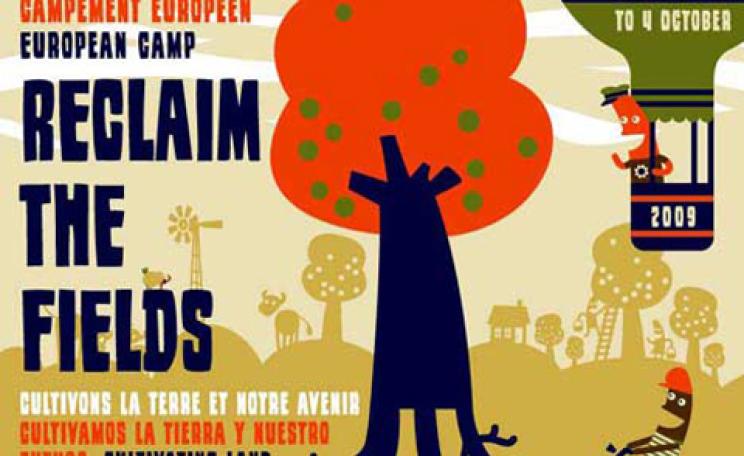
Following in the footsteps of attempts to open up car-dominated city streets to the public again, activists behind 'Reclaim the Fields' want to gain public access to agricultural land. Ian Fitzpatrick explains how it started