People living in neighbourhoods with more birds, shrubs and trees are less likely to suffer from depression, anxiety and stress, according to research by academics at the University of Exeter, the British Trust for Ornithology and the University of Queensland
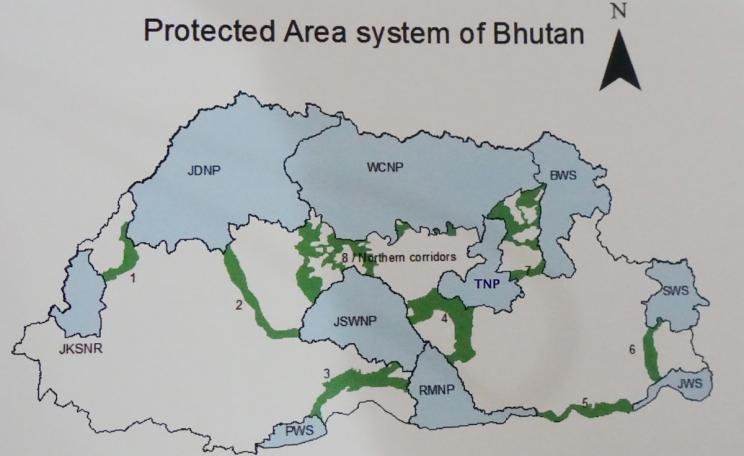
Bhutan is well on its way to becoming the greenest nation on the planet. In his Special Report for the Ecologist, photojournalist MICHAEL BUCKLEY explores the reasons why the country's ecosystems and dazzling biodiversity remain intact - and highlights the one thing that threatens this admirable integrity...
The troubled project to develop GMO 'golden rice' cultivars has just hit a serious obstacle. An attempt to breed the 'event' responsible for carotenoid production into a commercial rice variety has produced widespread genomic instability, causing weak plants and poor grain production. Has the golden rice hype bubble finally burst?
David Cameron's Conservative government did its best to kill off the UK's lowest-cost renewable energy technologies, onshore wind and solar. But in next week's budget, the Chancellor can put that right. Renewables are low carbon, quick to deploy, have low environmental impacts, and enjoy high public support, writes Ervin Bossanyi. It's time to give them a break!
They promote GMOs, defend toxic chemicals, and attack people who raise concerns about those products as 'anti-science'. But behind the slick 'astroturf' PR fronts lurk some very dubious funders: the same arch-conservative foundations that finance climate science denial. Stacy Malkan exposes the key players in the agribusiness and chemical industry propaganda wars.
The UK government hates to be held accountable in court when it breaks environmental laws like those on air quality. So it has created new rules - coming into force today - that expose environmental litigants to unlimited financial liabilities. Now three leading NGOs have done to the High Court to argue that the rules themselves are in breach the UK's international obligations.
Ruthless conservation policies at India's Kaziranga reserve claimed 20 lives in 2015 alone, writes Bhaskar Vira. Now, after a BBC film revealed the grim reality of life for local people, the BBC itself is in the firing line - banned from all India's tiger reserves for five years. Successful conservation must build bridges with communities - not fight them!
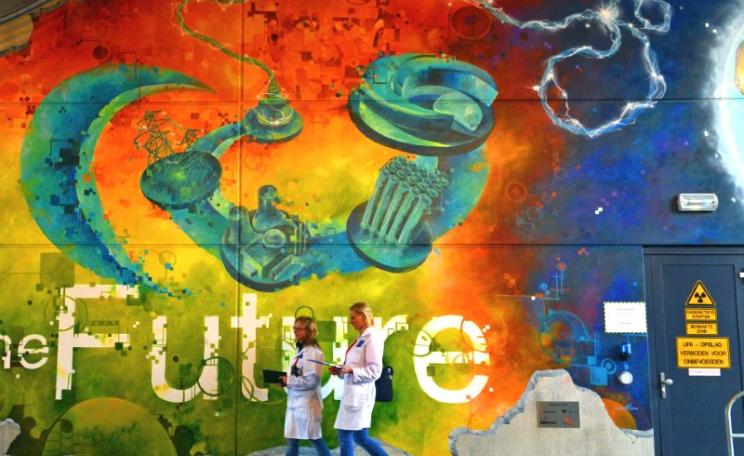
With the world's leading nuclear corporations facing bankruptcy due to ever escalating costs, 'unconstructable' reactor designs and financing risks, there's an easy way to finance the UK's new nuclear power stations, writes David Toke: pin the cost onto taxpayers. As for schools, hospitals, pensions, housing, social care and other public services, who needs 'em?
We know the outcome of Defra's latest 'public consultation' on killing badgers long before the results have even been analysed, writes Lesley Docksey. Environment secretary Andrea Leadsom has already promised farmers to extend the cull 'even further' - although it brings no proven benefits. Welcome to the new world of 'alternative facts' that's driving UK government policy.
The UK's inability to import radio-isotopes for cancer therapy is just the latest outcome of the UK's decision to leave EURATOM to hit the headlines, writes Pete Roche. It may also put a brake on the UK's plans to build new nuclear plants, and import and export nuclear fuel and wastes. The UK's exit from the treaty, as a strongly pro-nuclear state, could also mark an EU-wide anti-nuclear swing.
There's nothing unexpected about the coming catastrophe: it is approaching us ‘smoothly'. And yet we're doing so little to stop it. What gives? asks Philosopher, RUPERT READ
Donald Trump's scheme to rebuild US infrastructure could be among the world's greatest ever financial heists, writes Pete Dolack. He has chosen the most expensive, anti-democratic way to do the job, through the mass privatization of priceless public assets - sticking users and taxpayers for exorbitant charges for decades to come, while banks and speculators reap the profits.
A unique and pristine coral reef in the mouth of the Amazon is threatened by oil drilling planned by oil giants Total and BP, say the scientists who recently explored it. But the oil companies are determined to press ahead despite the risks, writes Lawrence Carter, and Brazil's environment ministry is set to give its approval.
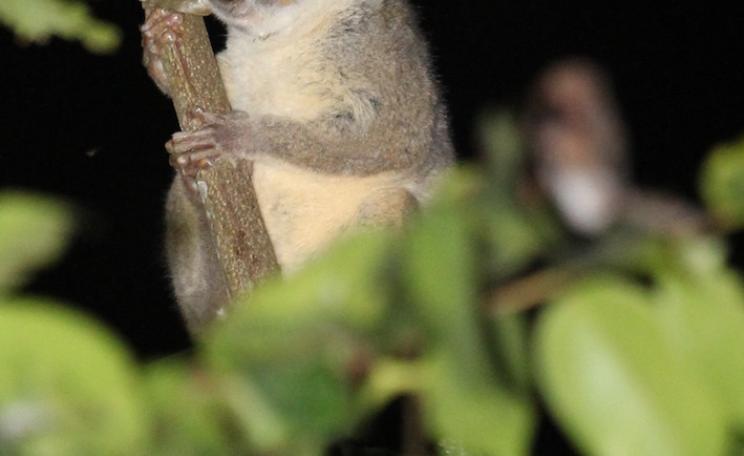
Until now, civil unrest and the difficulty of working at night have stood in the way of understanding the true nocturnal diversity of the African rainforests but the recent discovery of a new species of primate hints at what lies in wait to be discovered