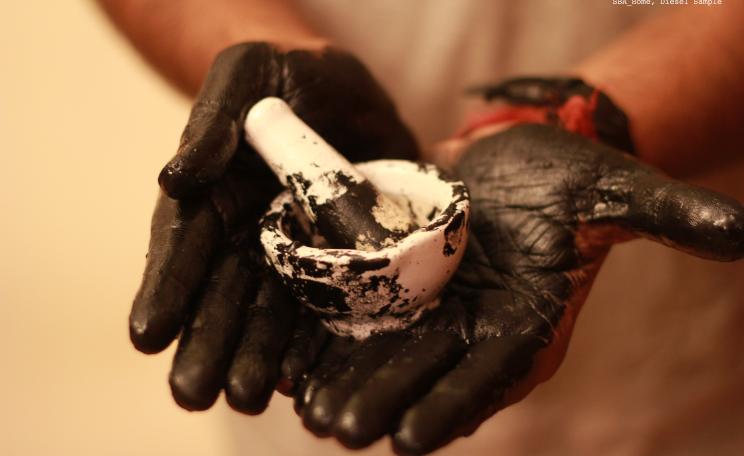
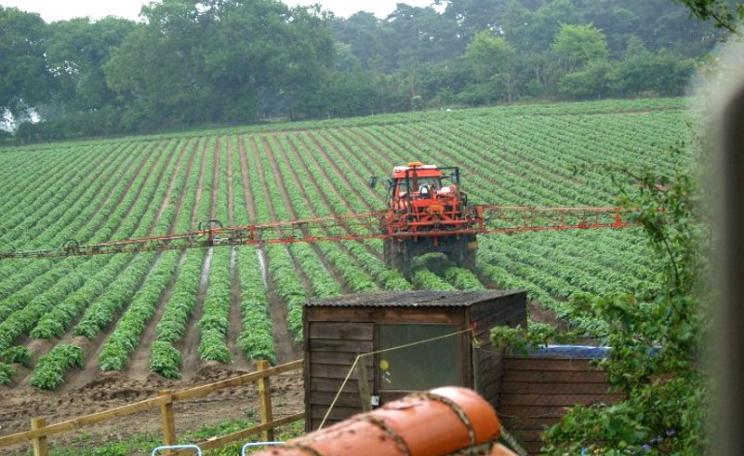
After leaving the EU the government could allow dangerous pesticides banned elsewhere in Europe to be used in the UK, writes Keith Tyrell. Today, Pesticides Action Network is launching a new campaign calling on citizens to fight back against the pesticide industry - and ensure that EU directives and regulations serve as a baseline for British pesticide laws.
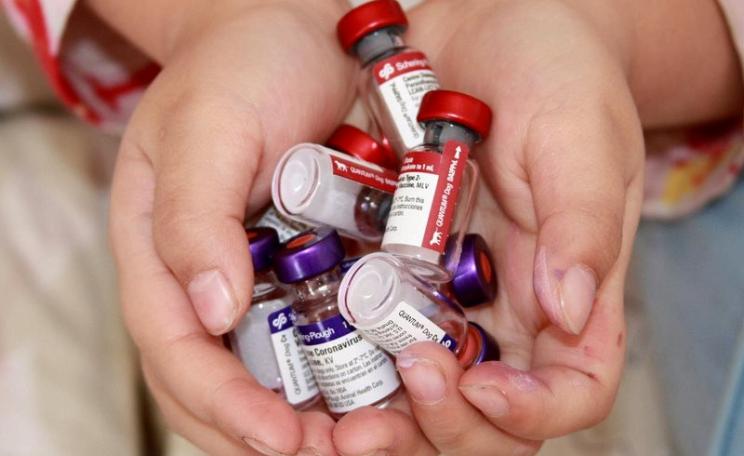
I am pro-vaccine, writes Robert F. Kennedy Jr. I had all of my six children vaccinated. I believe that vaccines save millions of lives. So let me explain why I edited the book 'Thimerosal: Let The Science Speak', which exposes the dangerous and avoidable use of the mercury-based preservative thimerosal in vaccines given to millions of children and pregnant women here and around the world.
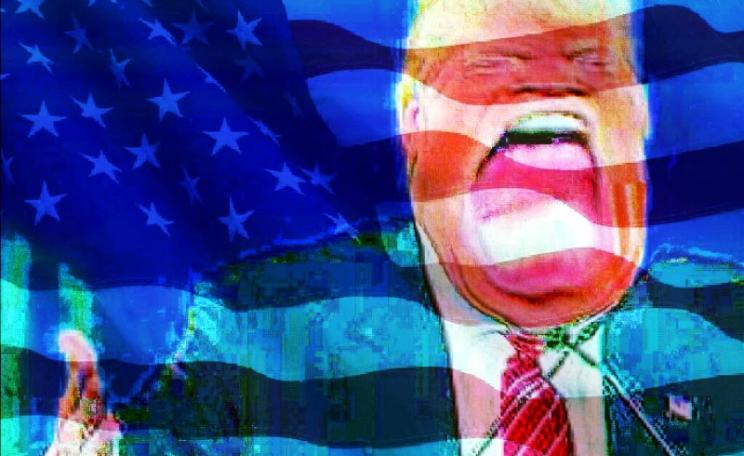
The impending US-UK trade deal threatens the irreversible loss of public protections on health, safety, labour and environment in both countries, writes Stephen Devlin. Last week Trump signed an executive order forcing systemic corporate deregulation - and the UK's 'pro-business' government is all too keen to go along with it.
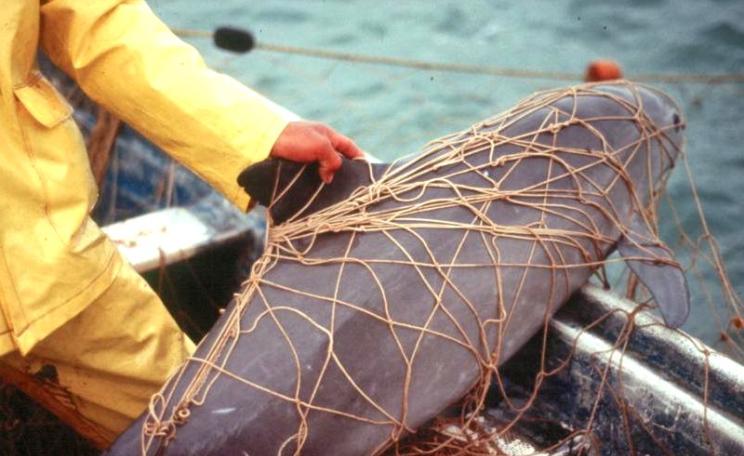
The world's smallest porpoise is fast heading to extinction, writes Aron White thanks to Mexico's failure to ban the use of gillnets in its range, and China's illegal imports of totoaba fish swim bladders, used in Chinese medicine. Without urgent and effective action the vaquita will soon disappear for good.
The election of President Trump is driving the planet towards oblivion - according to the elite scientific body behind the Doomsday Clock, writes Chris Busby. But isn't Trump's commitment to reduce East-West antagonism and ally with Russia's President Putin against terrorism reducing the risk of nuclear war? So far, Trump is sticking to his promises. Let this one be no exception!
If it wasn't climate change, was the real purpose of the Number 10 meeting of Theresa May's advisors and President Trump's environmental transition supremo Myron Ebell to plan the post-Brexit deregulation of UK farming, including pesticides? That's how it looks, writes Georgina Downs - and we had better begin now to fight for our health, wildlife and environment.
The 'biggest nuclear construction project in Europe' next to Sellafield in Cumbria is now hanging in the balance, writes Martin Forwood. With Toshiba fast sinking due to failed nuclear projects, and other members of the Nugen consortium getting cold feet, the project is facing collapse. The only alternatives are a Korean rescue - or making British taxpayers pick up the bill upfront.
Global nuclear power capacity grew slightly in 2016, writes Jim Green, but it was more a dead cat bounce than the promised 'nuclear renaissance'. The collapse of Toshiba, the direct result of its failing nuclear ventures, is indicative of the crisis faced by nuclear contractors and utilities worldwide. Another sign of the industry's poor outlook: no major commodity had a worse 2016 than uranium.
MEPs have signalled that any Brexit deal that allows Britain to scrap the environmental laws it has signed up to as an EU member faces veto, writes Charlotte Burns. They are not prepared to countenance a bad neighbour 'dirty Britain' just off the EU's shores, nor to see the EU's environmental progress undermined by unfair competition.
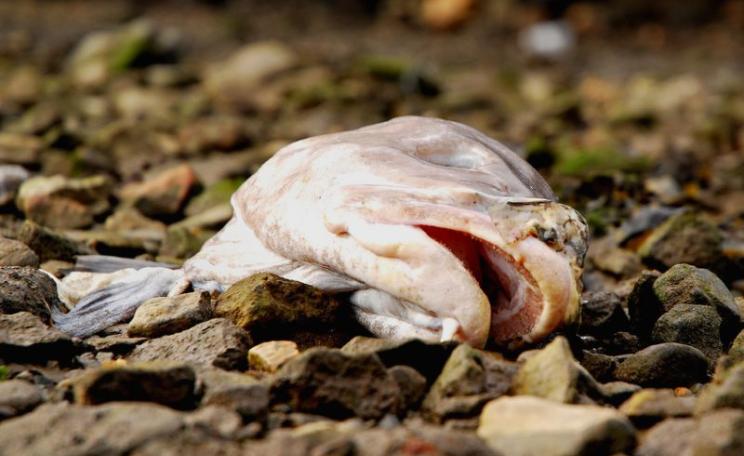
A Greenpeace investigation has exposed the massive efforts of global food and drink giant Coca Cola to defeat popular proposals to require deposits on single-use plastic bottles, writes Maeve McClenaghan. In fact, deposit schemes are working fine in many countries in which the company operates - it's a simple case of corporate profit before environment, oceans and wildlife.
The scientific case for Marine Protected Areas (MPAs) is now overwhelming. The bigger question is how can they be managed more effectively? HORATIO MORPURGO reports
As President Trump gets on with dismantling and defunding environmental regulation in the US and withdrawing from the Paris Agreement, his top environmental advisor has branded the Green movement as 'the greatest threat to freedom and prosperity in the modern world.' We must resist now, writes Donnachadh McCarthy - while we still can!
Removing the natural habitat of Hazel Dormice - one of the UK's most endangered species - is further threatening their existence says a new report from Manchester Metropolitan University. LAURA BRIGGS reports
Reeling from California's decision to ban glyphosate, fearful of 're-evaluation' by EU and US regulators, and facing ruinous cancer claims in federal courts, the US chemical industry are fighting back, writes Carey Gillam. Their key argument: don't trust independent doctors and scientists - trust us! And as they just told a California court, profit must come before people.