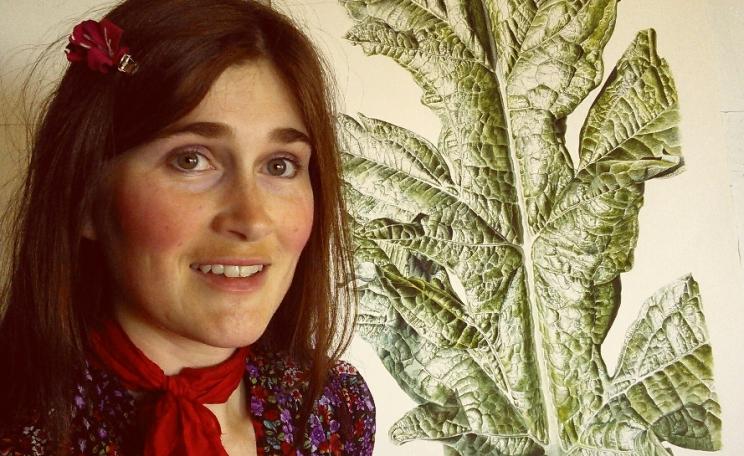
Ecologist Arts Editor, GARY COOK meets an artist determined to put plants centre stage with her new Leafscape project which includes a new exhibition this month and a crowd-funded book
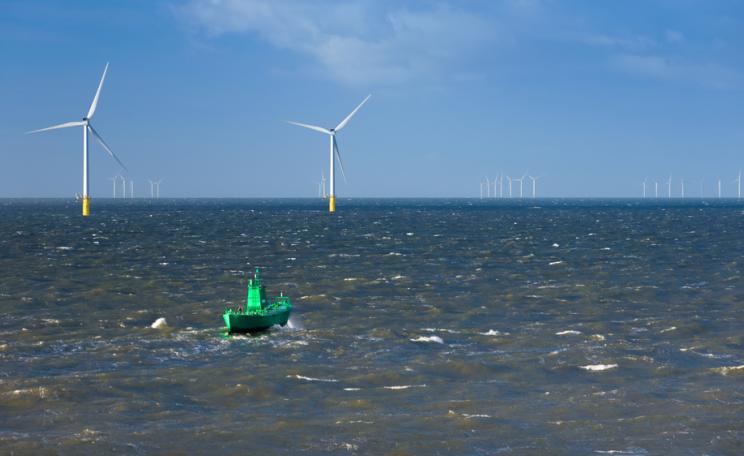
Renewable energy, without doubt, is both driving and shaping the clean global economy of the future, writes Jeremy Leggett. But don't forget its equally essential partner: closing the consumption loop to create a truly circular economy in which there is no longer any such thing as 'waste', only resources we are not yet smart enough to use.
Leaving the European Union and reaching a trade deal with President Trump's US would create a perfect storm for UK farmers, writes Liberal Democrat Environment Spokesperson Kate Parminter, with new EU tariffs, reduced subsidies and drastically lower standards. The changes would also pose a serious threat to our natural environment, food quality and public health.
Land grabbing has been going on since the mists of time, writes Nikita Sud, and took off like never before under European colonialism. But now 'developing' countries are also getting in on the act - notably China, an economic superpower in its own right, as it ruthlessly, and often corruptly, expands its global land holdings at the expense of nature and small scale farmers.
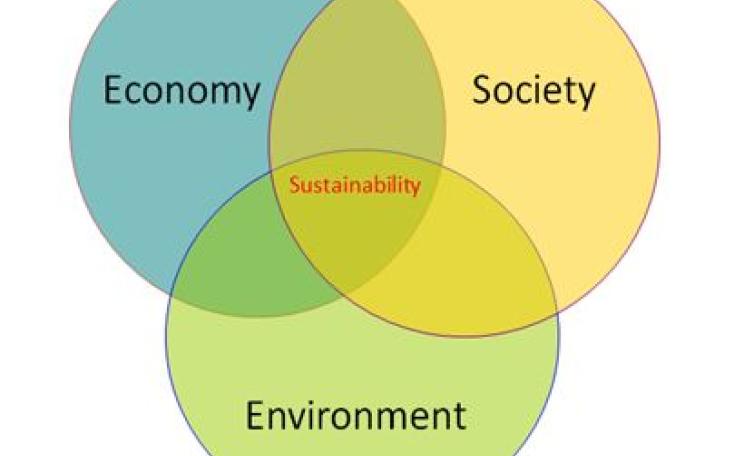
The new Index of Sustainable Economic Growth shows there is a shift to strike a healthier balance between support for the economy, and care for essential social and environmental systems. But can it ever replace GDP as a measure of progress? JAMES CURRAN explores the idea
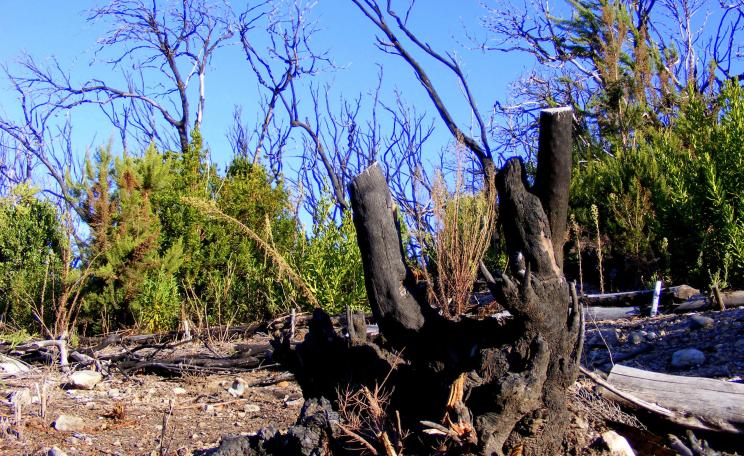
Discussions around the effects of climate change tend to focus on the planet's polar extremes, expanding deserts or low-lying areas. La Gomera - a subtropical forest perched more than a thousand metres above the ocean - is also at risk. JAMES MCENANEY reports
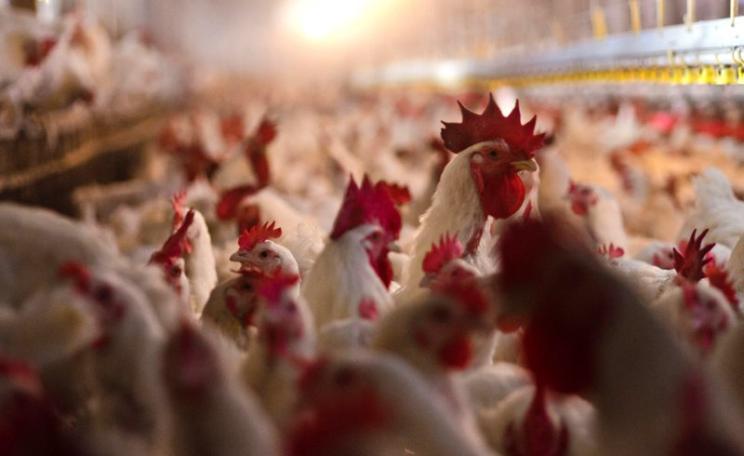
As deadly H5Nx bird flu strains diversify in giant, fast-rotation flocks and and adapt to poultry that tens of thousands of human handlers care for and process every day, the emergence of a deadly human-specific flu becomes ever more likely, writes Robert G. Wallace. The industry can no longer blame wild birds for the problems it is creating - and must urgently reform its own practices.
Newly published letters show that the UK Government may ignore the Committee on Climate Change, its official advisor on climate, and allow emissions from aviation to soar at an expanded Heathrow airport, writes Damian Kahya. Instead it would rely on buying widely condemned 'carbon offsets'.
Just imagine: gas for your cooking and heating made by composting home-grown British grass, writes Almuth Ernsting. What's not to like? Well, it would need almost all the UK's grassland to match our gas demand, leaving cows and sheep to starve or forcing them into sheds to eat foreign-grown feeds. And methane leakage could easily wipe out any climate benefit.
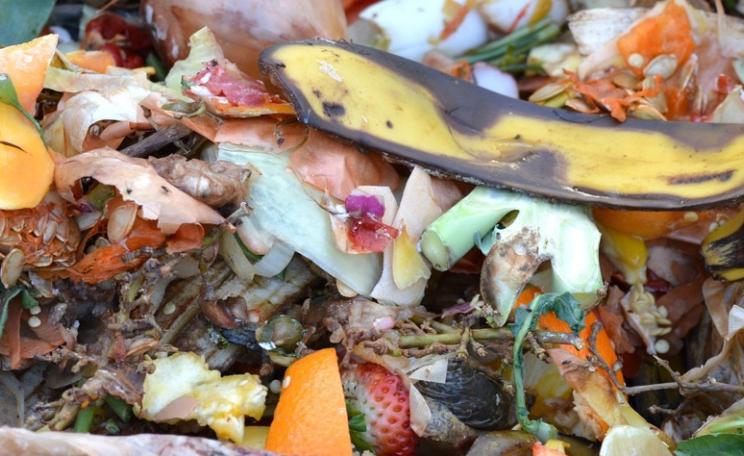
Consumers could be doing far more to help combat global food wastage with relatively little effort according to a new study showing that every year, a third of all food produced ends up being binned. LAURA BRIGGS reports
As UK Prime Minister Theresa May arrives in Philadelphia for her first meeting with the newly-inaugurated President Trump, GINA HAYDEN, co-founder of The Global Centre for Conscious Leadership explores our current crisis in world leadership
Ultimately the UK Government's new industrial strategy has the potential to use government investment to shift the country in the right direction for the environment. But we need more than just ‘public money,' we need the public's money too writes JOE WARE
Donald Trump defined the future of his presidency this week with a series of executive orders and speeches that promised corporations everything they ever wanted, writes Patrick Martin: the scrapping of environmental, energy and labour regulations, massive tax cuts, and approval of two fiercely resisted oil pipelines.
The UK's abject failure to implement national and EU laws on energy efficiency in buildings is a disgrace, writes Andrew Warren, and one that is costing us dear in higher fuel bills now and for long into the future, while adding to air pollution and climate change.
A coalition of farmer and public interest groups are suing the US Environmental Protection Agency for unlawfully approving the use of Monsanto's highly toxic herbicide dicamba on its dicamba-resistant GMO soybeans and cotton, without consulting wildlife and fisheries agencies.