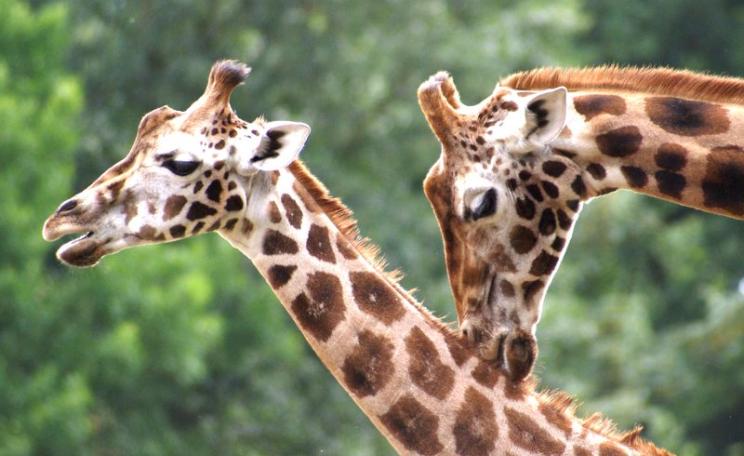
The sudden shift from 'Least Concern' to 'Vulnerable' status for all four species of giraffe is a red flag for their survival, writes Bill Laurance. Hunted down by poachers with automatic weapons for their 'trophy' tails, their range fragmented by roads and mines, and their woodland habitat cleared for farms or burnt for charcoal, giraffes need our help, fast.
What kind of companies is the European Central Bank supporting by buying €46 billion of their bonds under its QE programme? Research by Corporate Europe Observatory reveals a strong preference for oil, gas, tar sands, dirty power generation, armaments, aviation, airports, car makers, motorways, luxury goods and gambling. Our sustainable be future be damned!
It is easy in a country like the UK to imagine that science and economics command the whole debate about nature's value. But step back and look at the bigger picture internationally, and it all looks rather different writes VICTOR ANDERSON
The President-elect may be determined to lead America down an environmentally damaging path, writes Andrew J. Hoffman. But he may find few in the corporate world, where a growing number of major players are committed to eliminating CO2 emissions and making sustainability a core element of their business systems and supply chains, leading to global green transformation.
Will we rein in robotisation soon enough to ensure that 'Peak Robot' occurs under our control, and not as a result of a crash forced on us by collapsing ecosystems, asks RUPERT READ
While the government is cutting vital public expenditure across the board there's one industry for which no costs are too great, writes Martin Forwood. The price of an 'evaporator' at the Sellafield nuclear complex is escalating towards £1 billion, while billions more of taxpayer finance are being lined up to finance cooling systems, power lines and transport links for the adjacent Moorside new-build nuclear power plant.
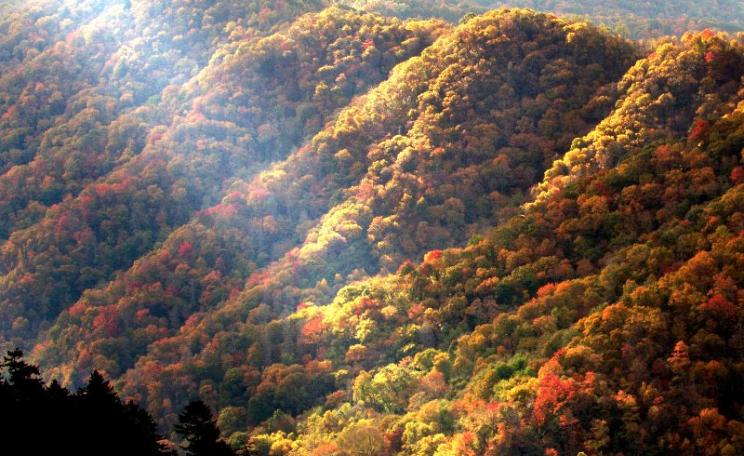
This summer, the Smoky Mountains burned, writes Grant A. Mincy. The aftermath is terrible to behold. But with the autumn rains and winter snow, life is returning, and a new cycle of regeneration is under way. Once again we witness the beating heart of the forest: water travels the vascular tissue of the trees and transpires over the valley and ridge. The wilderness is breathing.
President-elect Trump's widely anticipated appointment of Exxon's CEO Rex Tillerson as new US Secretary of State is creating a government of, by, and for the oil and gas industry, writes Steve Horn.
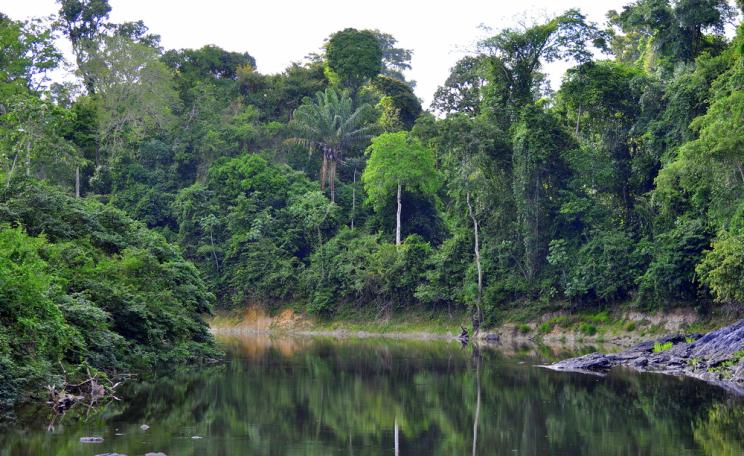
Supported by state and national governments, palm oil plantations are advancing over the rainforest hills of Sabah, Malaysia, writes Sophie Chao. In their way: the indigenous Murut of Bigor, whose culture, livelihood and very lives are under threat as forests and farms fall to chainsaws and bulldozers, enriching loggers and distant investors beyond the dreams of avarice.
Marine ecologists have shown how noise pollution is changing the behaviour of marine animals - and how its elimination will significantly help build their resilience. LAURA BRIGGS reports
The US is a party to the International Covenant on Civil and Political Rights and the UN Declaration on the Rights of Indigenous Peoples, write Colin Samson & Øyvind Ravna. Both require free, prior and informed consent for any intrusions on indigenous lands and stipulate that indigenous peoples shall own and control their traditional lands. The US is violating both at Standing Rock.
A Lancashire grandmother is to appear in a Preston court tomorrow to defend a £55,000 claim pressed by fracking company Cuadrilla and its CEO Francis Egan for the costs of an eviction that never even took place, writes Oliver Tickell. Now a campaign calling on Cuadrilla to drop its unjust and oppressive legal action is gaining momentum - and its Egan who's on the defensive.
Nuclear giant EDF could be heading towards bankruptcy, writes Paul Brown, as it faces a perfect storm of under-estimated costs for decommissioning, waste disposal and Hinkley C. Meanwhile income from power sales is lagging behind costs, and 17 of its reactors are off-line for safety tests. Yet French and UK governments are turning a blind eye to the looming financial crisis.
Two key wildlife laws that underpin nature conservation across the EU will be retained intact, the EU Commission announced today after an 18 month review that generated record public engagement due to fears that they would be weakened. Now campaigners are determined to ensure the UK retains the laws post-Brexit.
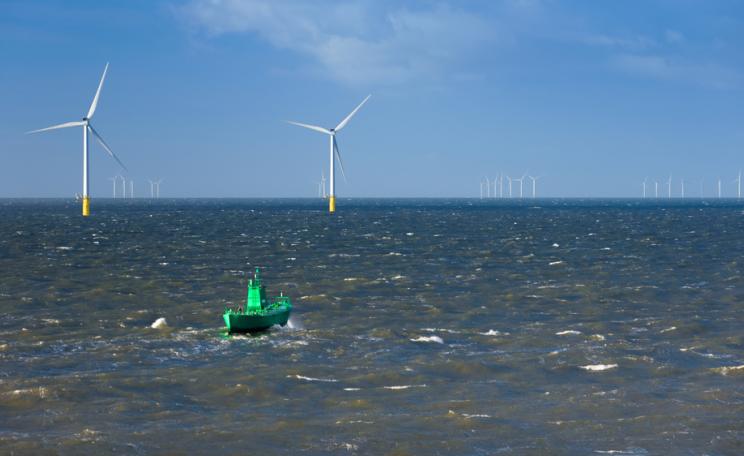
To secure the clean energy transformation for the long term we must get the good news out there, writes Natalie Bennett - driving forward a popular movement for warm, comfortable homes, affordable fuel bills, community renewables and thriving local economies.