Nonviolent activism is an incredibly powerful means of transforming the world, writes Robert J. Burrowes. But to harness that power, we must understand that it works by inspiring others to join in a just and noble cause, while communicating the actions they can take in their own lives. Its essential modes are thus political and psychological - and victory can result from apparent failure.
Letters from an EPA toxicologist to the EPA official in charge of assessing whether glyphosate, the active ingredient of Monsanto's Roundup herbicide, causes cancer, reveal accusations of 'staff intimidation' and 'political conniving games with the science' to favour pesticide corporations, writes Carey Gillam. Could this be a game-changer for cancer-suffering plaintiffs?
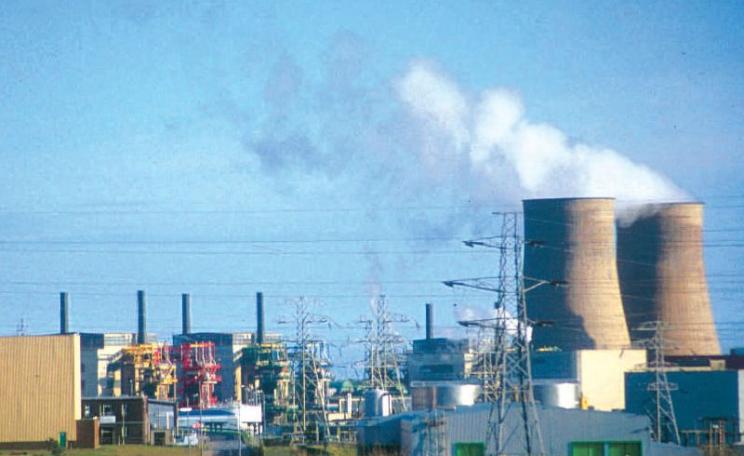
The main company due to build UK's 'flagship' nuclear power project at Moorside in Cumbria is on the ropes, writes Doug Parr, thanks to its multi-billion dollar nuclear losses on in the US. The obvious solution, (almost) all our politicians insist, is to ignore cheaper, faster, cleaner renewables, and make the taxpayer pick up the cost of yet another nuclear white elephant.
Where are the places you hold most dear? According to a new report from the Climate Coalition - published to coincide with Valentine's Day - they may already be under threat from climate change which is closer to home than you might think. JOE WARE reports
At what point are technologies so complex, uncertain, or unmanageable as to be beyond regulation? The question is key to human and ecological health, writes Jonatham Latham. But instead of learning from successful approaches, such as aviation safety, we are throwing the lessons away when faced with truly complex problems - like chemicals, GMOs, and now 'gene drives'.
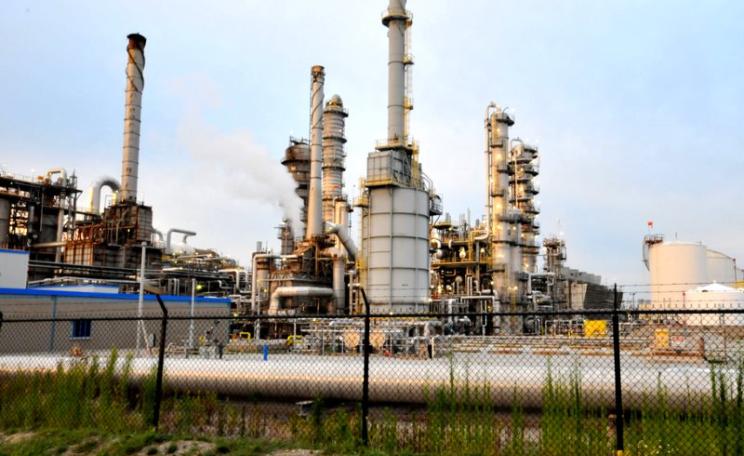
Weeks after a major legal victory in London's High Court over oil-polluted communities in Nigeria, writes Joe Sandler Clarke, Shell has suffered a dramatic reversal of fortunes as Italian prosecutors charge the company, and Italy's Eni, on corruption charges over a $1.3 billion oil deal.
It's been another disastrous year for North America's Monarch butterflies, with the insect's population down 27% in a single year. The sudden decline is blamed on severe winter storms in Mexico, and the impacts of GMO crops, herbicides and insecticides on US farms.
Colombia is now closer than ever to finding a peaceful resolution to generations of violence. With so much to gain in a post-conflict world - as much for the Colombian people as for their environment - the sudden prospect of losing it all will make for tense months ahead writes FOREST RAY
It's not just that the government does not seem to care about the millions of Britons that have died prematurely from traffic pollution, writes Donnachadh McCarthy. It's that every policy intervention they have made is making the problem worse! Join us this Saturday to demand a sane transport policy that will make our roads safe for people, and our air fit to breathe.
Animal campaigners who have returned from investigating the torture of street dogs in Romania are calling for new legislation that will prosecute those responsible
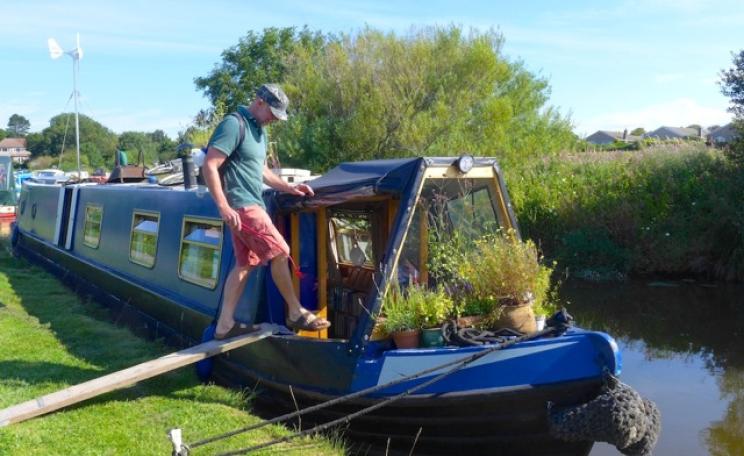
We should resurrect the 1940s plans for a Grand Contour Canal - a 100ft-wide waterway that would have followed the 300ft contour line around England from Newcastle to London to Southampton and many places in-between - and then we could all travel more pleasurably, writes PAUL MILES
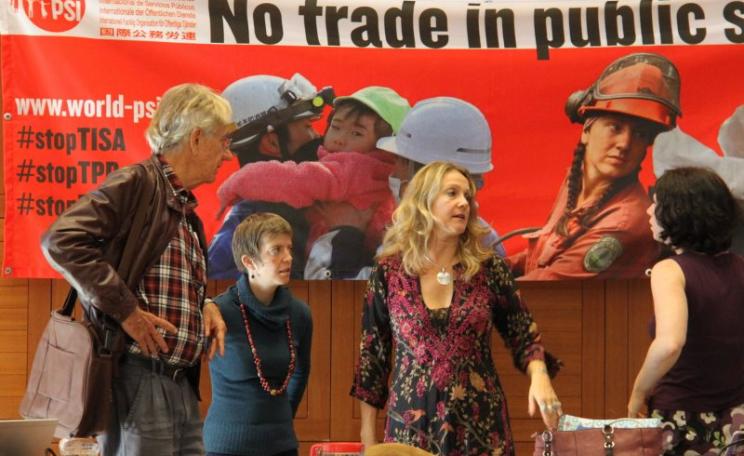
If there's one good thing about Trump, it's that he has put an end to the TPP and TTIP trade deals, right? Don't celebrate yet, writes Pete Dolack. There's another 'trade deal' waiting in the wings, TISA, and negotiators have been busy expanding its remit to include huge parts of TPP and TTIP, while giving free rein to the global behemoths of internet and finance to expand their monopolies.
A new carbon 'tax and dividend' climate strategy would strengthen our economy, reduce regulation, help working class Americans, shrink government, promote national security, and reduce emissions, write eight senior US conservative politicians, financiers and academics. Now Republican control of all branches of the US government makes it an opportunity not to miss!
The green belt is part of the critical green infrastructure that delivers multiple benefits for cities, writes Alister Scott. It provides space for recreation, biodiversity and farms supplying local food. It protects us from flooding and drought, improves air quality and mitigates the urban heat island effect. In short, it's far too valuable to allow developers to build all over it!