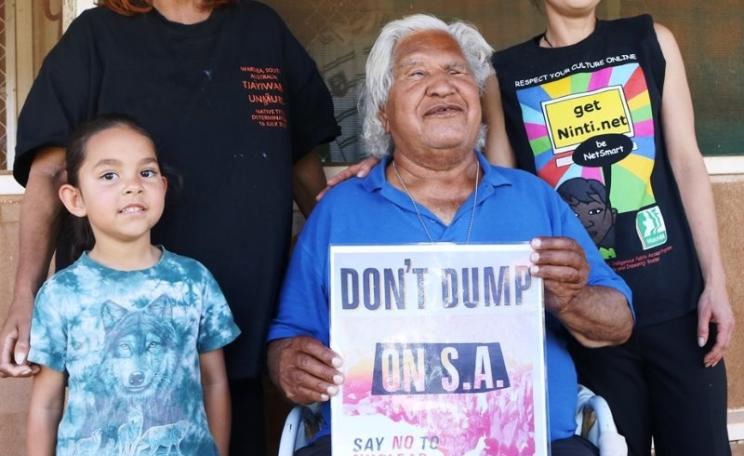
An officially convened 350-strong Citizens' Jury has decisively rejected South Australia's plans to import over half a million tonnes of high and intermediate level nuclear waste for long term storage, writes Jim Green. This has dealt a powerful blow against the project from which it is unlikely to ever recover, and represents a major victory for campaigners, indigenous Australians and economic sanity.
The intimate connection between landscape and religion is at the center of Native American societies, writes Rosalyn R. LaPier, and a key reason why thousands of Native Americans and Indigenous peoples from around the world have traveled to the windswept prairies of North Dakota. There is no excuse for the ignorance and disrespect of corporations, and government.
The International Chamber of Shipping has committed the industry to legally binding emissions reductions under the Paris Agreement. Unlike the aviation industry, it will make no use of carbon 'offsets', but will reach its targets by increasing efficiency and moving to lower carbon fuels.
We must coldly examine how inherently dangerous systems work and how they fail, writes Earl Boebert, and then apply those insights to reducing the risk of failure through systems design, regulation, and education. That examination must apply the most modern and effective analytic tools. To do otherwise is to almost guarantee a repeat catastrophe.
As Victorian eccentrics go, Frank Buckland was a prime specimen, writes Martin Spray. But this new book about his rich and remarkable life is much more than a collection of anecdotes about his extraordinary doings, his inordinate curiosity about the natural world, and the animals he kept - and ate: a stimulating companion for wet days, cold evenings and wakeful nights.
Renewable energy may play a huge part in helping to achieve the ambitions of the Paris Agreement, now in force and under discussion at COP22 climate talks in Marrakesh, writes Steffen Böhm. But it can never be the whole story, and nor does it relieve the need for deeper changes in how the world works.
The 'Global Redesign Initiative', a project of the World Economic Forum, aims to replace UN-based intergovernmental decision-making with unaccountable 'multi-stakeholder governance' run by and for corporations, writes Margi Prideaux. What future for nature and people in this brave new world? Generate profits for investors, or face extinction or exclusion to the margins of existence.
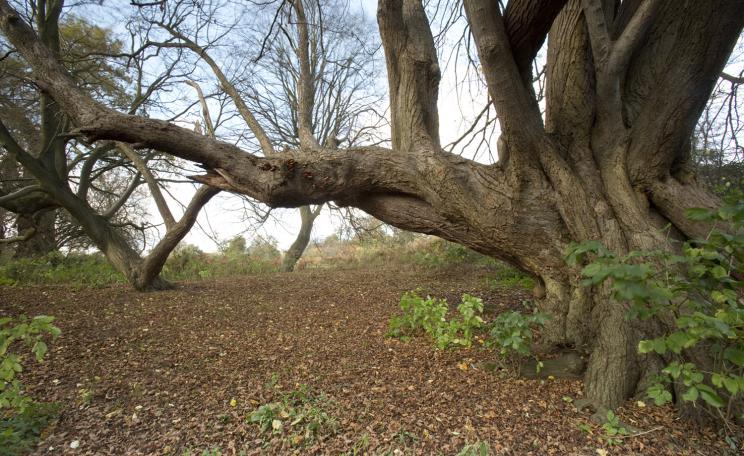
After decades of travelling the globe documenting environmental issues, UK photographer Edward Parker has turned his lens closer to home with a new book on the Ancient Trees of the National Trust. He talks to Arts Editor, GARY COOK
With COP22 on the horizon, it is a critical moment for better dialogue and an unparalleled opportunity to maintain the momentum generated in Paris. Protecting the planet from climate change calls for unprecedented levels of collaboration across countries and a new focus on both the big picture and the longer-term. Given how difficult it can be to talk together about tough issues, what can be done to enable better dialogue asks Leadership Consultant SARAH ROZENTHULER
The latest blockbuster exhibition from the V&A celebrates the music of its time and those who are forever linked to it, and one of the key outcomes of this counter-culture revolution was the very first Earth Day on April 22nd 1970.
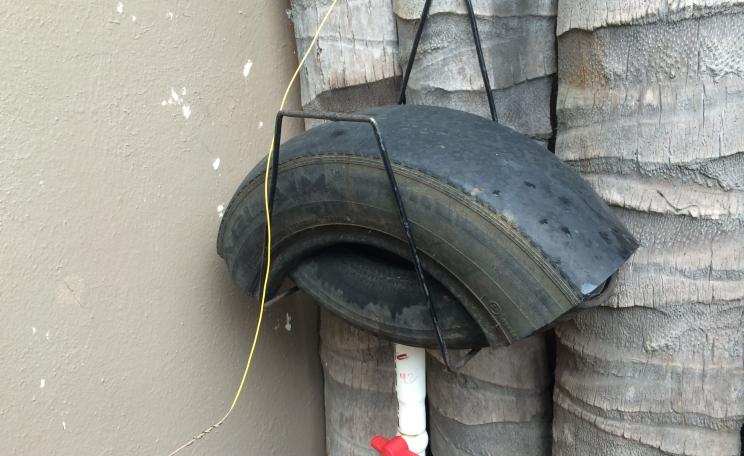
The Mexican Government spends millions trying to stop the spread of mosquito-borne viruses like dengue, chikungunya and - more recently - zika. Could the solution be as simple as a kind of mosquito ‘hatchery' made of old tyres to create an inviting breeding ground from which eggs and larvae can be destroyed? FOREST RAY reports.
Forty years ago workers at Lucas Aerospace created a detailed plan to transition out of the arms industry and into green, sustainable products and technologies, writes David King. it never happened, yet the Lucas Plan provides a blueprint for similar initiatives today to build a deep-rooted, broad-based movement for social, economic and ecological progress.
The exclusion of fishers from the design of management plans for the vaquita, driven by conservation groups and implemented by the government, has led to polarized opinions and a large divide between communities and conservation agencies, writes Andrew Frederick Johnson. To save the vaquita, this needs to be replaced with a close collaboration.
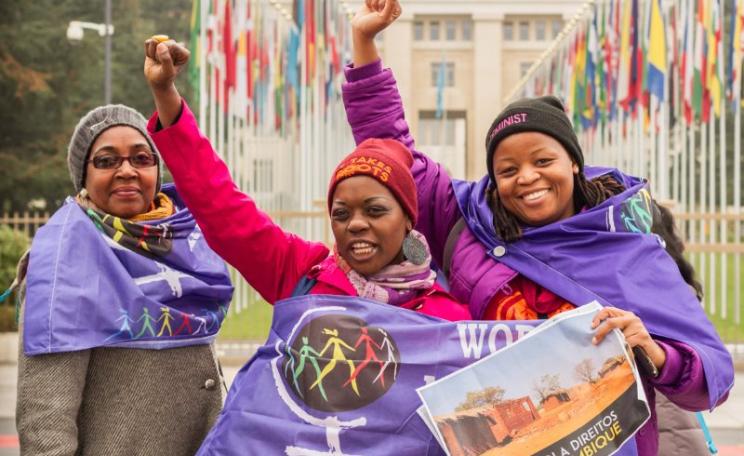
People power was at the forefront of UN talks on an global treaty for transnational corporations and human rights last week in Geneva, writes Amelia Collins. The fact that so many countries - led by South Africa and Ecuador - voiced their unequivocal support for legally binding rules, sets exactly the right tone for an ambitious and far-reaching negotiation.
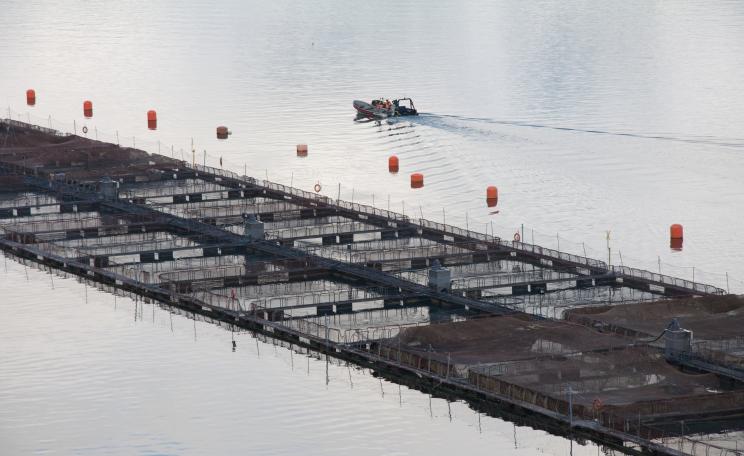
There are currently over 3,000 applications to establish new salmon farms in the Patagonian regions of Magallanes and Aysen waiting for approval. Have we leaned nothing from the damage to the environment caused by Chile's salmon farms asks Florencia Ortúzar