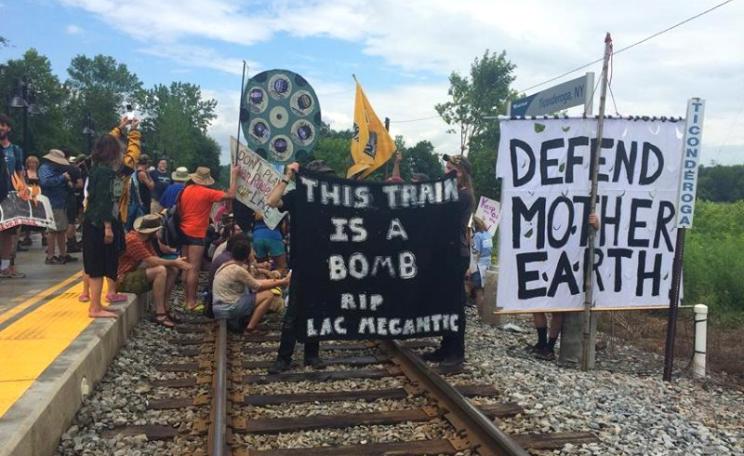
Two things are new in the Pacific Northwest, writes Stephyn Quirke: abnormally hot, dry weather that has even killed Chinook salmon on their run upriver to spawn; and 'bomb trains' a mile more long carrying thousands of tonnes of oil, with just a single sleep-deprived driver on board. What could possibly go wrong?
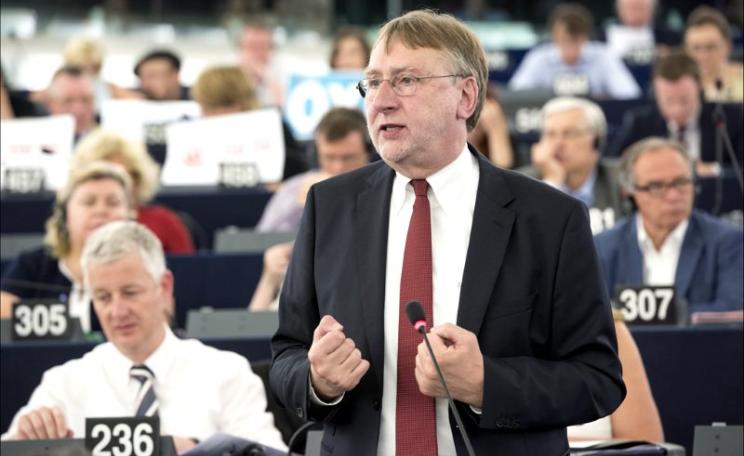
MEPs backed the TTIP EU-USA trade and investment deal by almost 2:1 today, ignoring civil society fears. New texts on key issues like ISDS appeared to address public concerns, but campaigners insist that 'the most dangerous proposals' remain.
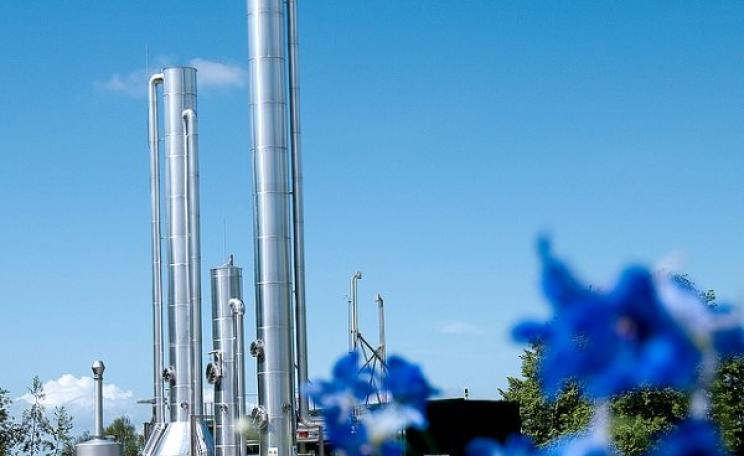
In its haste to get fracking, the UK Government is neglecting safe, clean alternatives that could be providing low-carbon gas and heat energy, writes Keith Barnham. The technologies are already well established in other European countries and are picking up fast here too - so why the insistence that only fossil fuels can deliver the UK's energy needs?
Caerphilly councillors yesterday refused permission for a huge open cast coal mine in South Wales that's fiercely opposed by local people furious at its impacts on air, landscape, tranquillity and climate, writes Guy Shrubsole. Coming so soon after the rejection of fracking in Lancashire, the message is clear: fossil fuels are best left safely underground.
Greece's economic woes will never be solved by merely moving money around the banking system, writes Oliver Tickell. The lasting solution is to restore native forests to her barren hills and mountains, invest in large-scale solar power to energise Europe, and create an examplar of sustainable development for our global future.
The EU Parliament is voting tomorrow on the controversial Transatlantic Trade and Investment Partnership (TTIP) being negotiated between the USA and the EU. But do MEPs realise that the agreement could force European markets open to 'new biotech' foods and crops using advanced GM technologies that do not meet current definitions of 'GMO' within the EU?
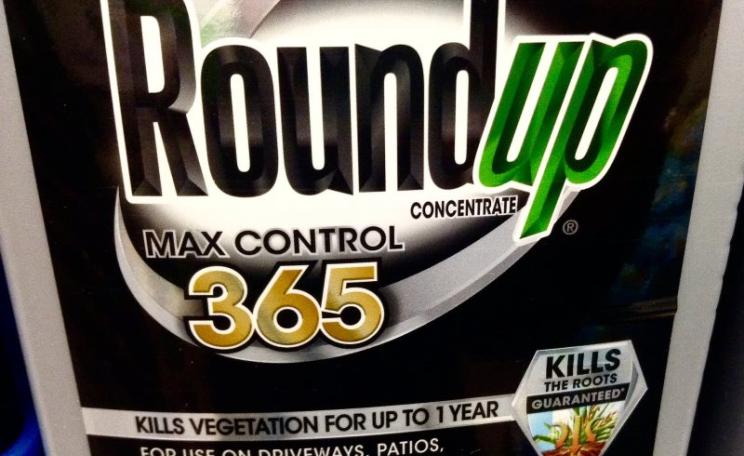
Research by GM-Free Cymru shows that studies carried out for Monsanto and submitted to the US's Environmental Protection Agency in 1981 provided ample evidence that glyphosate caused cancer and other health problems. But the key documents were classed as 'trade secrets' and never published.
Soon a artificial rhino horn may be on the market that's identical to the real thing down to its DNA, writes Diogo Veríssimo. A boon for rhinoceros conservation? Or an act of biopiracy that will enrich biotech corporations while perpetuating demand for rhino horn and confounding efforts to end its trade?
Austria today filed its legal challenge to the UK's €108 billion support package for the Hinkley Point C nuclear plant, writes Oliver Tickell. A second such challenge at the European Court is due from green energy suppliers in Germany and Austria who fear unfair competition from subsidised nuclear power in Poland, Czech and Hungary if the Hinkley C precedent stands.
Greece's refusal to accept a century of debt servitude to illegitimate creditors is a decisive moment for Greece, Europe and indebted nations everywhere, writes Yanis Varoufakis. With even the IMF agreeing with SYRIZA's economic analysis, the troika's insistence on endless austerity was only meant to ruin Greece and humiliate its government. But now everything has changed.
Britain's renewable energy surge will hit the buffers as funding dries up, writes David Toke - while cuts to the energy department's budget will wipe out its ability to guide the UK's low carbon energy transition.
The secretary general of the OECD group of the world's 34 richest nations has issued a dramatic plea to its members to act now to end 'unabated coal' burning, writes Alex Kirby, and invest in renewables around the world to prevent climate disaster.
We have a problem, writes Samuel Alexander. Even the most eco-friendly rich world lifestyles are overconsuming resources and over-dumping wastes. To put us on track to 'single planet living' will mean far deeper changes than any yet envisaged, including deliberate 'degrowth'' and the abandonment of consumer culture.
Obama has delighted climate campaigners with this 'clean Power Plan' that will force states to make deep cut in carbon emissions from power stations, writes Dan Roberts. But not everyone is happy, and legal challenges loom.
Within minutes of Labour's election defeat its MPs were denouncing Miliband for failing to 'embrace aspiration' and alienating 'wealth creators', writes Ben Whitham. But the real problem was that he never expressed a coherent alternative to neoliberalism and austerity, presenting at best a 'Tory lite' agenda that failed to inspire. And who are the real wealth creators anyway?