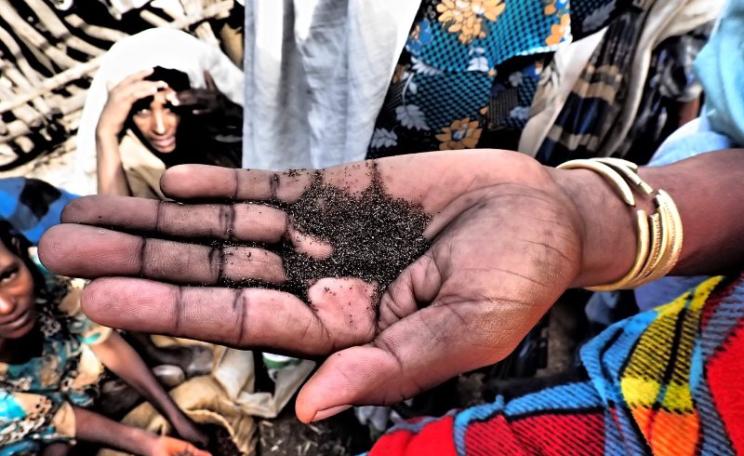
Under the guise of a land-titling project, Peru is breaking up and privatising indigenous common lands across the Andean highlands, writes Arthur Scarritt. While the law provides for communal titling and democratic votes, in practice there's no provision for communities to exercise these rights, and the many are being dispossessed in favour of large, 'efficient' market-oriented producers.
Shell's Arctic drilling expedition is literally on the rocks after its icebreaker MSV Fennica suffering a metre-long gash to its hull below the waterline, writes Zachary Davies Boren.
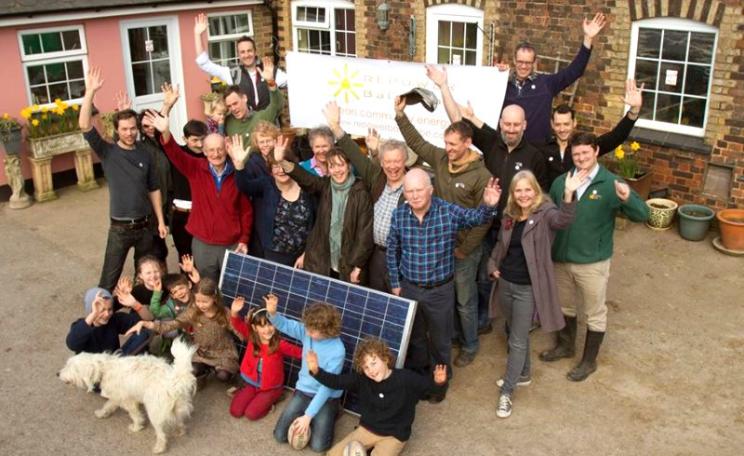
When fracking came to Balcombe in West Sussex in 2013, it divided village opinion, writes Joe Nixon. But the community is now united in its commitment to locally owned renewable energy, with solar projects on schools and farm buildings, and plans just in for a new 5MW solar farm.
As the EU comes down for neoliberalism, austerity and capital against popular will, Greens and other 'progressives' must consider switching sides in the 'in or out' debate, writes Jenny Jones. A Union that stands for TTIP, corporate empowerment and the trampling of Greek democracy is one we are better off leaving.
Dissent over the massive USA-EU TTIP trade deal is focused on the 'corporate courts' allowing investors to sue national governments, But largely neglected has been the equally serious issue of 'Regulatory Cooperation' - which would impose a huge burden of 'red tape' on EU and US legislatures, while forcing down health, safety, social and environmental standards.
In her new book The Vandana Shiva Reader, the celebrated campaigner and scientist deplores the way in which the Green Revolution forced India's poorest farmers off their land, writes Colin Tudge. Now she fears even worse outcomes in Africa where a GMO-fuelled farming revolution is under way.
Just when the UK's government might want to be boosting its green credentials it has chosen to do the precise opposite, writes Steffen Böhm: giving tax breaks and subsidies to oil and gas, while attacking renewables and energy efficiency. We must unite to oppose these destructive and short-sighted policies
The EU's nature directives provide effective protection for endangered species and habitats, writes Leonardo Mazza. So why the Commission's decision to 'review' and 'modernise' the laws? With its commitment to business-friendly deregulation and uninterest in the environment, the aim is surely to gut them - something only EU-wide citizens' mobilisation can prevent.
As Europe and North America warm, bumblebees should be able to fly north to cooler climes, writes Tim Radford. But they're not: the bees' range is receding in the south, but staying put in the north, and scientists fear their shrinking habitat will put many species at risk of extinction.
Next Tuesday MPs will be voting on an 'amendment' to the Hunting Act that outlaws fox hunting and other cruel sports, writes Robbie Marsland. But its effect would be to make the law a dead letter - so full of holes as to permit the return of full-blown hunting with dogs. MPs must vote down this 'repeal by stealth'.
African governments, ignoring the protests of their farmers and civil society, this week agreed an oppressive 'plant variety protection protocol' that will open up their countries to commercial seed monopolists, while limiting farmers rights to save, use, exchange, replant, improve, distribute and sell the seeds they have developed over countless generations.
When Oxeye daises looked like taking over her mini-meadow, Jo Cartmell was tempted to intervene. But instead, she held back and let nature take its course. Now, a few seasons later, the floral diversity has only increased, taking in some unexpected but welcome arrivals - along with their insect companions, all making their home on what used to be an unloved patch of lawn.
The UK government kicked away one of the main financial supports for renewable energy in yesterday's budget. The surprise move will cost the sector £3.9 billion over the next five years and undermines any prospect of the country meeting its EU renewable energy targets.
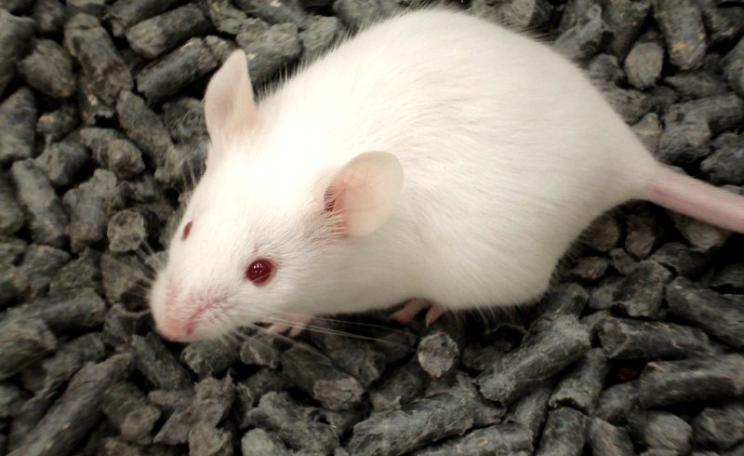
A new scientific study has found that laboratory rats used in health and toxicity studies are routinely given feeds contaminated with herbicides, pesticides and GMOs, writes Pat Thomas, potentially invalidating the results of crucial safety tests on GMOs, agrochemicals, medical drugs and other substances, on which health and environmental regulators base critical decisions.
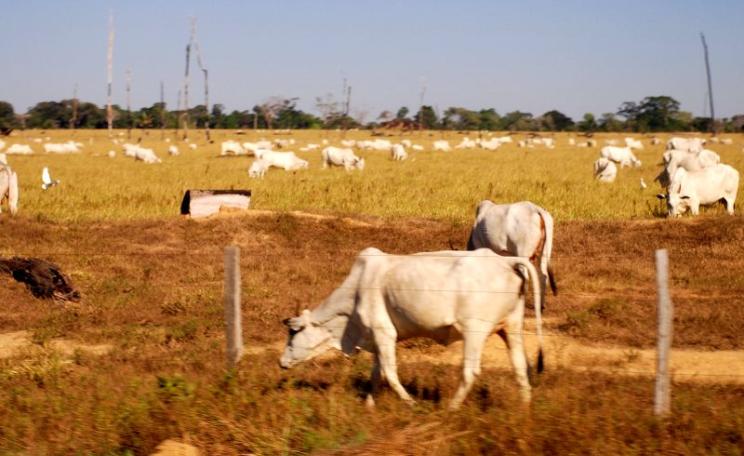
Meat is already a huge contributor to climate change, write Dora Marinova & Talia Raphaely, and as 'atmospheric space' for greenhouse gas emissions contracts, its importance will only increase. The good news? If rich countries were just to eat less of it, there's a huge climate win there for the taking!