The Conservative attack on the environment is being carried out for good reasons, writes Chris Rose: because they can; because it delights their support base; because it heads off UKIP; and because they think it carries no political risk. Now it's up the UK's green movement to prove them wrong. But have our 'herbivorous' NGOs got the stomach for a fight?
Never mind government inaction (or worse) on climate change, writes Assaad W Razzouk. Solar power costs just keep on falling, and it's already providing the lowest cost electricity across much of the world. With $7 trillion of investment piling into the sector, the momentum is now unstoppable.
The Faroe Islands' annual 'grindadráp', in which hundreds of pilot whales are slaughtered with knives and hooks, is a horrifying spectacle, writes David Lusseau. But unlike industrial whaling it poses no threat to the species. And is it really any worse than the industrial factory farming that we routinely ignore?
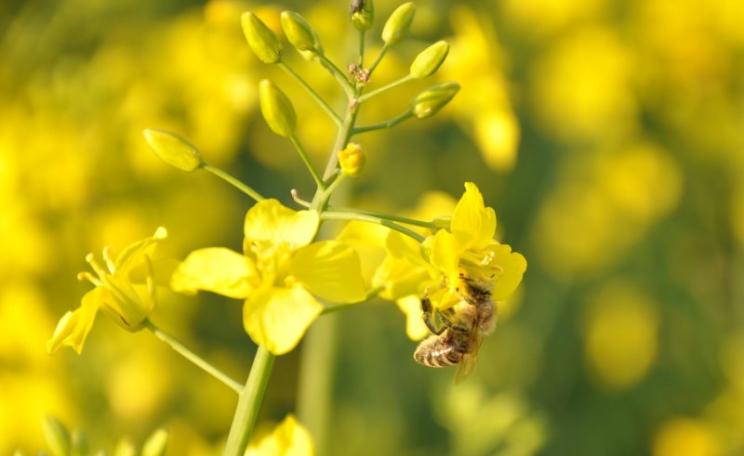
Previously suppressed documents show that Bayer and Syngenta, the makers of controversial 'neonic' insecticides subject to an EU ban, took part in and sought to influence a key meeting of pesticide experts to decide whether to lift a ban on their use in the UK.
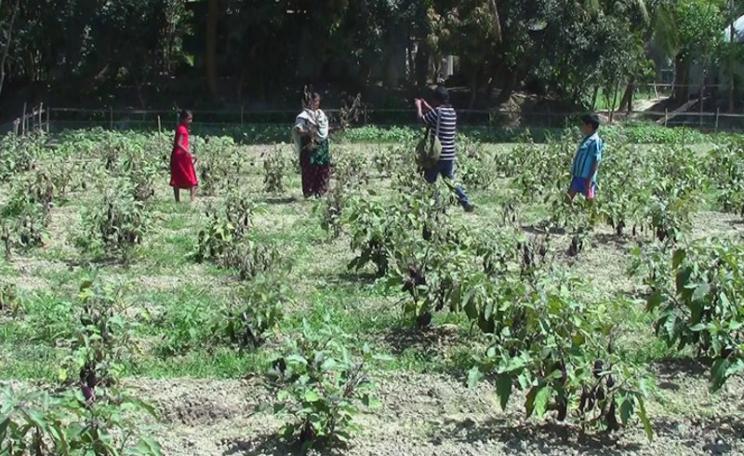
A BBC documentary claimed 90% success for a controversial GM crop in Bangladesh, Bt brinjal, writes Claire Robinson. But as journalist Faisal Rahman discovered, there's no evidence to support the claim, the BBC relied on biased sources, and its journalists failed to investigate reports of widespread crop failure. Was it all an exercise in pro-GMO propaganda?
The wind is a force of nature over which only someone with extraordinary delusions of grandeur can truly claim ownership, writes Adam Ramsay. But to prevent that, we must assert our belief that wind, sun and other drivers of our renewable future are a common heritage for us all to benefit from.
A detailed update of key climate indicators by hundreds of scientists reveals that 2014 saw rises in temperatures, sea levels and greenhouse gases to record levels, writes Alex Kirby.
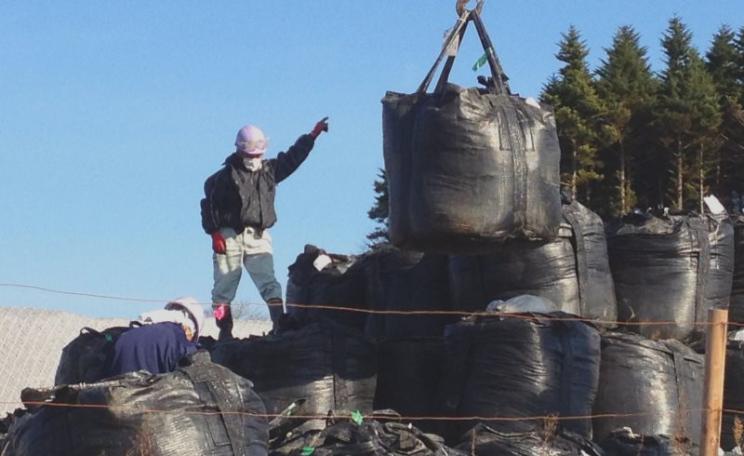
A massive decontamination exercise is under way in Iitate Village near Fukushima, writes Kendra Ulrich: step one in a plan to force 6,000 residents back into the evacuated zone in 2017. But as radiation levels remain stubbornly high, it looks like the real plan is to 'normalize' nuclear catastrophe, while making Iitate residents nuclear victims twice over - and this time, it's deliberate.
Hundreds of pilot whales were slaughtered in Faroes waters last week alone, writes Captain Paul Watson. But in 2011 no whales were killed while Sea Shepherd vessels patrolled. The difference? Since 2014 the Royal Danish Navy has defended the whale hunt.
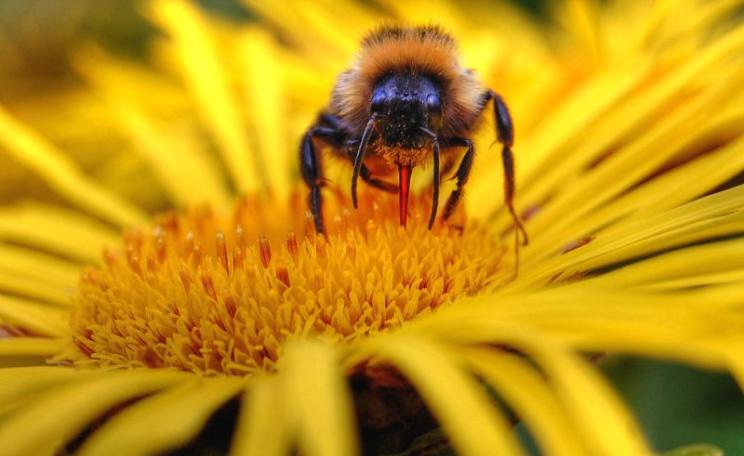
Friends of the Earth has taken the first legal steps towards striking out last week's emergency approval of bee-harming 'neonic' pesticides in England, granted last week despite a Europe-wide ban.
Forget tariffs, forget Obama's promises. The whole point of modern 'trade agreements' is to whack pesky labor, environment and health laws, writes David Morris, and so empower capital and corporate power against regulators, governments and democracy itself. Unconvinced? Just imagine what these deals would look like if they were there to empower people.
Batteries may have a big role in balancing future power grids, writes Sean Meyn, enabling more wind and solar generation. But until we go beyond 50% renewables, we don't need them. Instead we can adjust the demand of power hungry appliances to what's available every moment of the day.
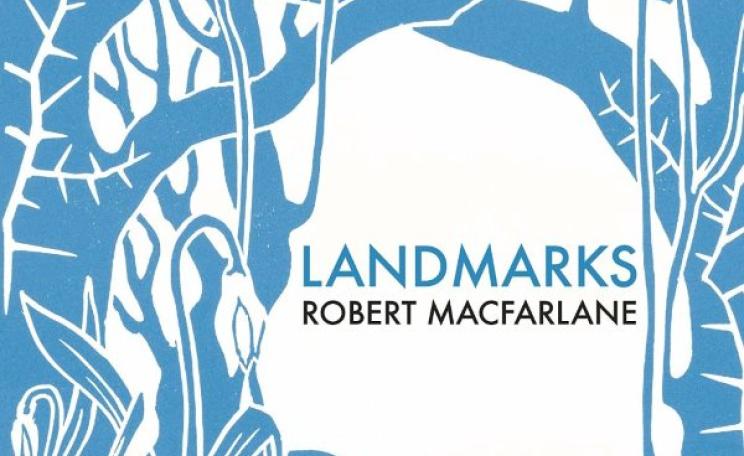
All too often language is used to objectify nature, writes Caspar Henderson. But there's another, older vocabulary - introduced in this 'counter-desecration phrasebook' - that achieves the reverse: connecting us with the wonders of life and arousing delight in the natural world.
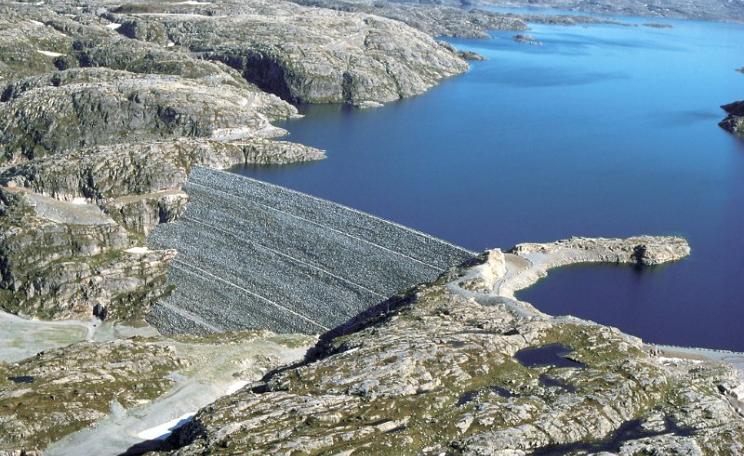
Engineers in Norway aim to put their mighty hydroelectric dams to a new purpose, writes Paul Brown - as giant batteries to store up surplus power from wind and sun across Europe, and put it back in the grid when generation falls off or demand is strong.
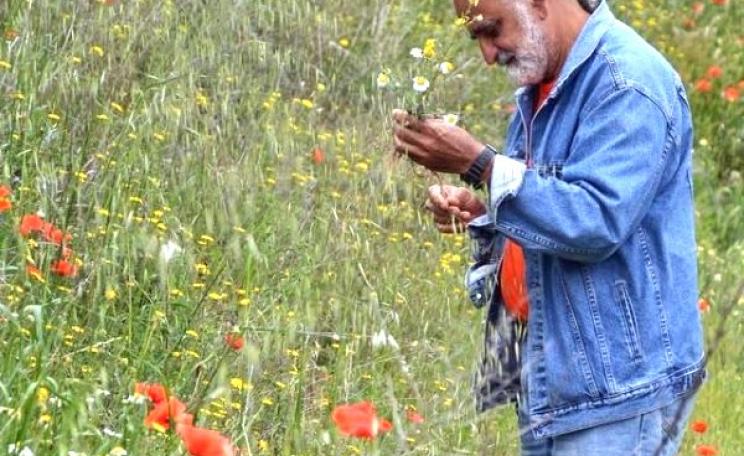
Jairo Restrepo is a leading champion of organic farming in Brazil, writes JuanFran Lopez, and now his influence has spread across the world. His mission too has expanded to include campaigning for the rights of small scale farmers, and an even wider project of economic, technological and societal transformation to put people at the centre of political power.