China is by far the world's biggest producer of solar panels, writes Kieran Cooke. But the industry is suffering from over-capacity, razor thin profits and a failure to innovate.
President Obama's plan to cut greenhouse gas emissions may look like a climate victory, writes Tim Kruger - but it's no such thing. It's feeble because the US can meet its targets by reducing emissions to 2030 more slowly than it has since 2000. And it's fragile as any future President can scrap it at will.
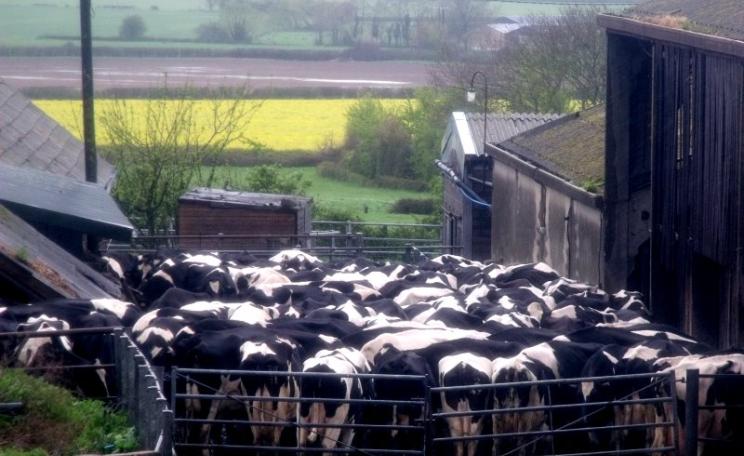
Just as the banks are 'too big to fail', so Britain's struggling dairy farmers are 'too small to save', writes Simon Fairlie. And it's not just the government that's happy to see 16 dairy farms go the wall every week - it's also the National Farmers Union to which most pay their dues. The NFU's paradoxical response to the milk glut is to push for ever higher, more intensive milk production.
Canadian mining company Gabriel Resources is seeking over $2.5 billion damages from Romania after it rejected a vast gold mine at Rosia Montana, writes Oliver Tickell. Incredibly, it is taking legal action under a UK-Romania trade agreement.
If you're expecting COP21 in Paris to save the world's climate you're in for a disappointment, writes Alex Scrivener. For governments, climate is secondary to the really big issues - like endless economic growth and ever-increasing corporate profit. But there's still plenty campaigners can do to shame politicians, businesses and investors into meaningful action.
At an £11 billion cost to energy users, and against all expert advice, writes Mel Kelly, the government is forcing the rollout of 'smart meters' repeatedly exposed as expensive, poorly tested and potential threats to our health and privacy. This madness must stop.
Farmers' first line of defence against pests is the ecosystem in and around their fields, write Jonathan Lundgren & Scott Fausti. With widespread or indiscriminate use of pesticides essential biodiversity is lost - and the result is more frequent and serious infestations, and a decline in food security.
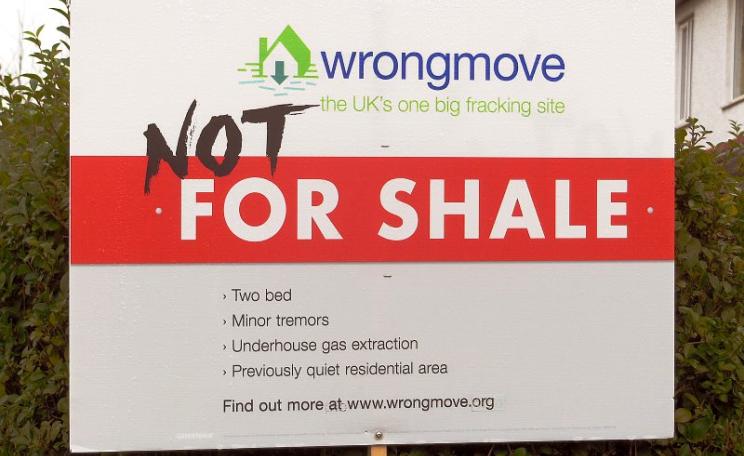
New measures to compel local councils to speed up frackers' planning applications have a clear intention, writes Oliver Tickell - to make it ever harder for planners to refuse permission.
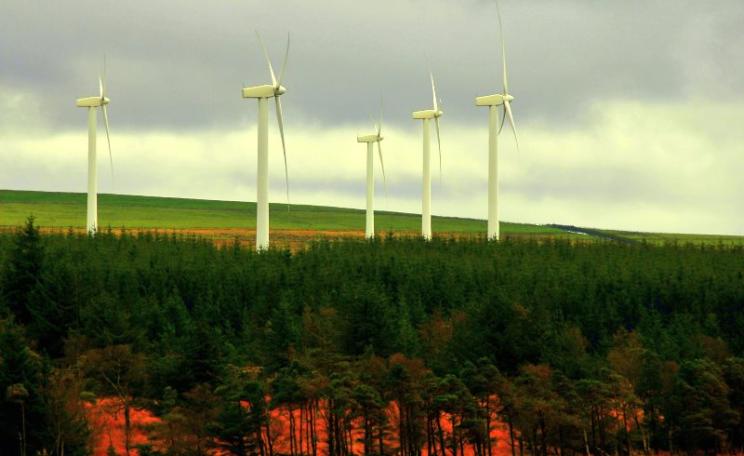
The success of the SNP and surveys carried out by DECC show that green energy is overwhelmingly popular, writes Keith Barnham. Labour's failure to support renewables and oppose nuclear power and fracking may have cost them the last election - but now, with the rise of Jeremy Corbyn there's a real chance for the party to put that right.
Democracy campaigner Donnachadh McCarthy is in court tomorrow tomorrow on a fictitious charge of 'assault against a security guard in Parliament Square'. But his real offence was to expose the corruption at the heart of the Lib-Dems, with the sale of peerages by political parties for around £300,000. And now the CPS is trying to deny him a fair trial.
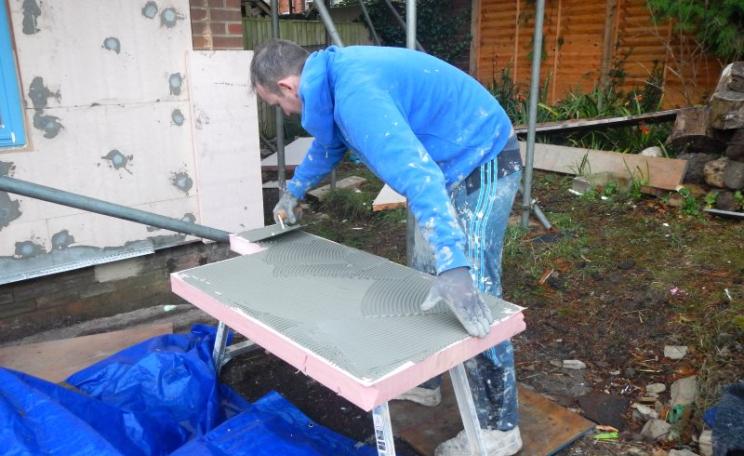
The Green Deal was expensive, bureaucratic, complex, inefficient and so badly designed it could have been set up to fail, writes Sue Roberts. Yet it was the UK's only national home insulation scheme and its intentions were sound. What it needed was rethink and reform, not scrapping - and with it gone, there's a huge gap that desperately needs to be filled.
Professor 'Jim' Al'Khalili's 'Inside Sellafield' programme was a tour de force of pro-nuclear propaganda, writes David Lowry - understating the severity of accidents, concealing the role of the UK's nuclear power stations in breeding military plutonium, and giving false reassurance over the unsolved problems of high level nuclear waste.
Jeremy Corbyn's soaraway success in Labour's leadership contest poses an existential threat to the Greens, writes Rupert Read. To counter it we must re-assert our distinctive ethos, values, policies and principles, rooted in ecologism not socialism, respecting natural limits, opposed to endless economic growth, dedicated to building and sharing the wealth we all hold in common.
Pristine beaches, clear Caribbean waters, coral reefs, fertile land ... such is the homeland of the Garifuna people, writes Jeff Abbott. It's so lovely that outsiders are desperate to seize ever more of their territory to develop for mass tourism, oil palm plantations, illicit drug production ... and the land grabs have the full support of Honduras military government, backed to the hilt by Uncle Sam.
There is huge untapped potential in the green economy to create millions of decent jobs, writes Jean Lambert - but only if lessons are learned from the Government's flawed, now scrapped, Green Deal. Lesson one: we desperately need a well-funded, ambitious replacement.