There is widely held belief that there' only one way to protect rhinos, elephants and other endangered species poached for the international wildlife trade, writes Douglas MacMillan: a complete trade ban. But it's a dangerous misconception. By raising prices and engaging criminal networks, bans speed up extinction rather than preventing it.
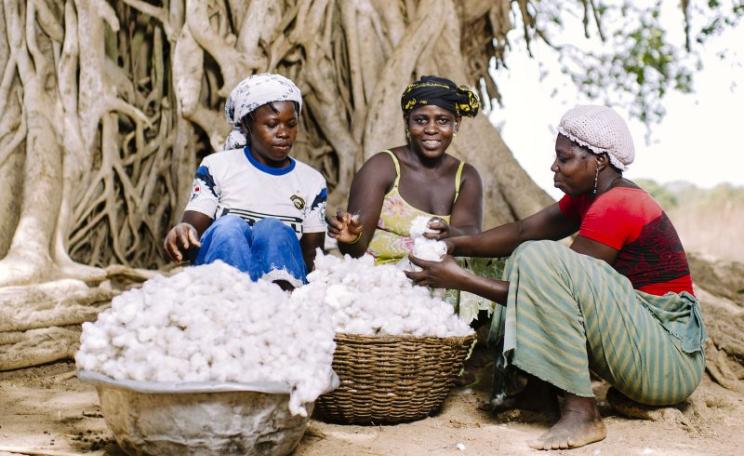
The idea that GMO cotton offers hope to Africa's impoverished cotton farmers is facile and fraudulent, writes Arya Tajdin. In fact it only adds to their vulnerability. Their real problems lie in the structural oversupply of subsidized cotton on world markets, and the flood of 'kifua' - dead white man's clothing - that undermines the continent's textile industries.
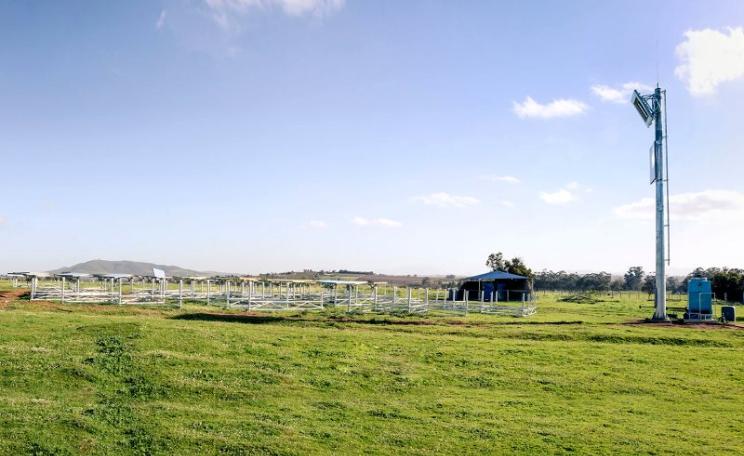
The 'other' solar technology, CSP, which uses mirrors to concentrate the sun's rays, is about to get a lot cheaper, writes Jeffrey Barbee. A South African team has developed a low cost design suitable for mass production that can be 'plonked' on site straight from the factory.
Following six shark attacks this year on the beaches of New South Wales, Australia, the press are demanding a shark cull as a 'permanent solution' to the problem, writes Jane Williamson. Trouble is, culling is indiscriminate, ineffective, disrupts ocean ecosystems, and diverts resources from more effective responses.
It sounded wonderful: a futuristic 'garden bridge' across the Thames dripping with flowers and foliage, writes Will Jennings. But really it's a private enclosure of valuable public space, mature trees and views, backed by £60m of taxpayers money, that delivers no benefits to London's wildlife, environment or transport needs.
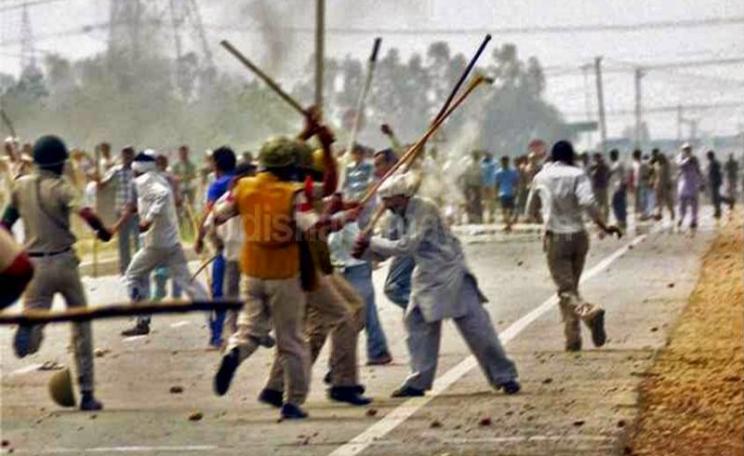
President Modi is determined to sweep away 'obstacles to growth' including the laws that allow marginalised communities to challenge the confiscation of their lands and forests for dams, mines and other 'development' projects, writes Arpitha Kodiveri. If proposed 'reforms' are enacted, the only remaining avenue of dissent may be one of armed conflict.
Following a series of disastrous failures in India, one of Coca-Cola's most important markets, the company is desperate to rebuild its reputation by claiming 'water neutrality'. But the idea is absurd, writes Amit Srivastava, and does nothing to benefit the communities that suffer from the depleted aquifers it pumps from.
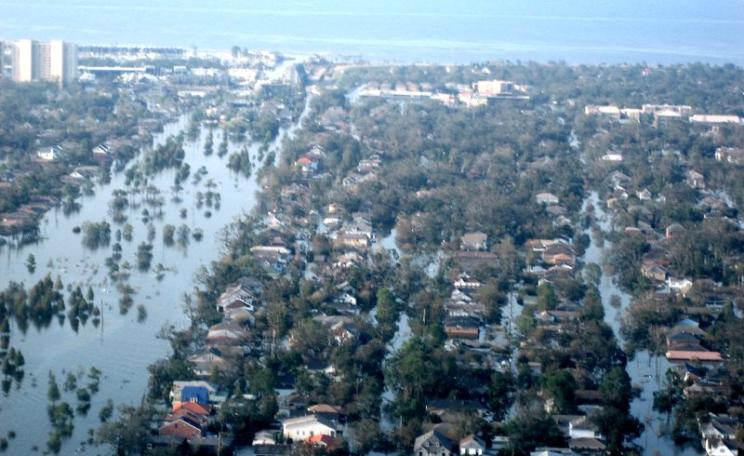
Climate change shows its true face in extreme events, writes Kerry Emanuel: the storm surge with a 12 inch head start thanks to rising sea levels, propelled by a wind that's 20 mph faster, dropping an extra inch of rain beyond the 'normal' storm. Hurricane Katrina and Typhoon Haiyan are sending us a clear message: the world must get ready for bigger and badder, fast.
We owe a deep debt of gratitude to Dr Frances Kelsey, write Helena Paul & Philip Bereano. In 1960, she defied her bosses at the FDA to prevent the licensing of thalidomide in the USA, saving thousands from being born with serious deformities. Her tough approach to minimising the risk from new drugs contains lessons we ignore at our peril.
A month after warning the government of legal action over its decision to allow farmers to use bee-killing pesticides banned under EU law, Friends of the Earth has filed a High Court legal challenge to have the 'derogations' declared unlawful.
The EU's 'rapporteur state' on glyphosate, Germany, has recommended re-approval of the herbicide with its daily intake increased by 67%, write Drs Nancy Swanson and Mae Wan Ho. The verdict is based on a re-assessment carried out by Monsanto and a consortium of chemical companies, based on unpublished industry studies. It should be rejected outright.
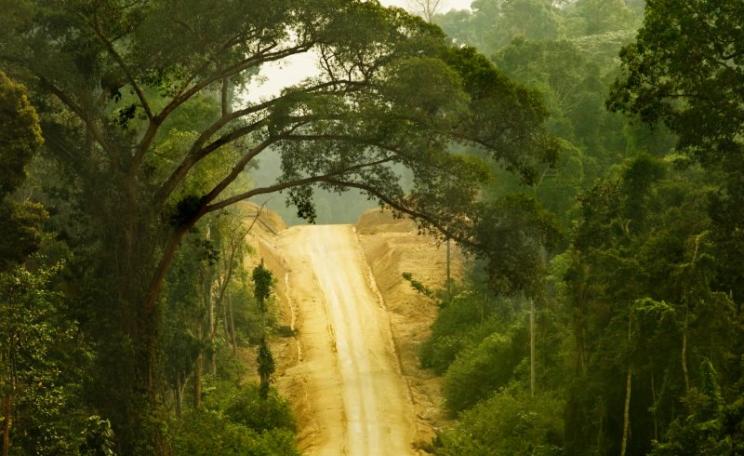
Based on current performance tropical forests, the world's most biodiverse ecosystems, are set to be reduced to species-impoverished fragments by the end of the century, writes Simon Lewis. But it's not inevitable. Decisive action by the world's governments in Paris in December could secure desperately needed change.
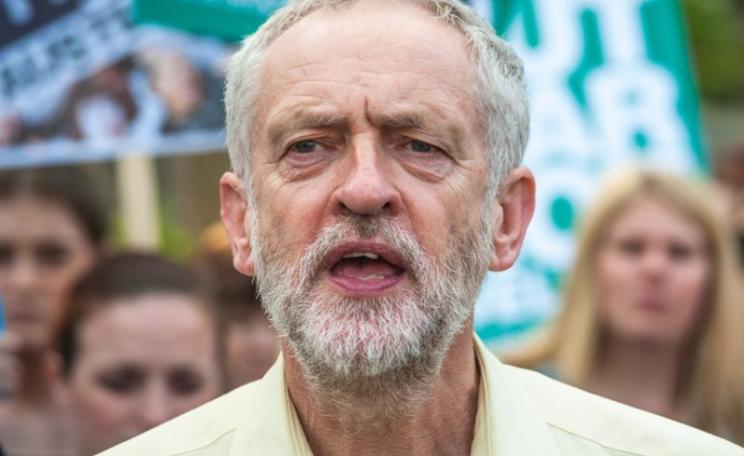
Despite Labour's 'great purge' of left-leaning voters in the leadership election, Jeremy Corbyn remains the odds-on bookies favourite. So if he comes to power, what policies can we expect in energy and climate change? Damian Kahya asks the questions ... and is astounded at the range and scope of his ambitions. But how much could he really deliver?
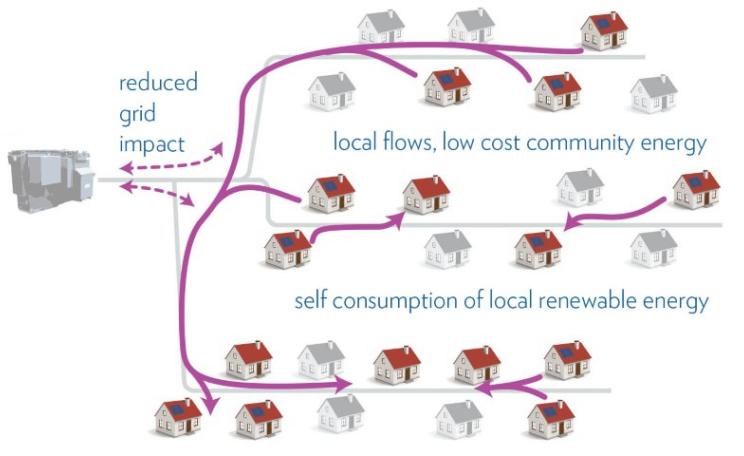
With centralised fossil-fuel and nuclear generation both undesirable and increasingly unviable, the answer is to make our energy local, distributed and renewable, writes Chris Wright. But to complete the picture we need battery systems for backup, stability and efficiency. And one could be coming your way soon ...
Increasingly mild winters have caused an abundance of acorns and beech nuts in Europe's woodlands, writes Paul Brown, triggering a wild boar population explosion - just one of the effects of warming climate on wildlife populations.