The single biggest energy service we all need is heat, writes Rob Raine - yet it's largely ignored in the energy policy discourse. By focusing on heat as well as power, we can accelerate the transition to renewable energy sources and - because heat stores are far cheaper than batteries - keep the costs down.
Defra's new £500,000 report on pheasant and partridge breeding is biased towards commercial shooting interests from start to finish, writes Toni Shephard. It purports to study the welfare of captive birds reared in restrictive cages, but fails to compare their lot to that of free-range birds - the only adequate baseline.
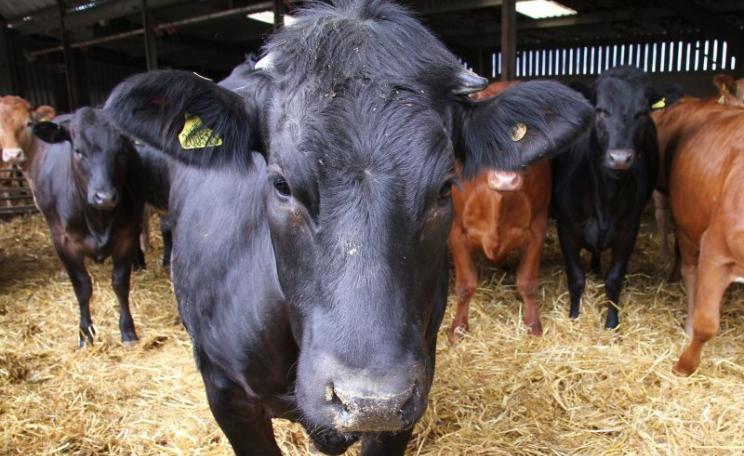
A new study on the spread of bovine TB shows that only with more frequent testing of cattle will the disease be defeated in England, writes Oliver Tickell. It has already worked in Scotland, and is on the way to doing in Wales - where some herds are tested every six months.
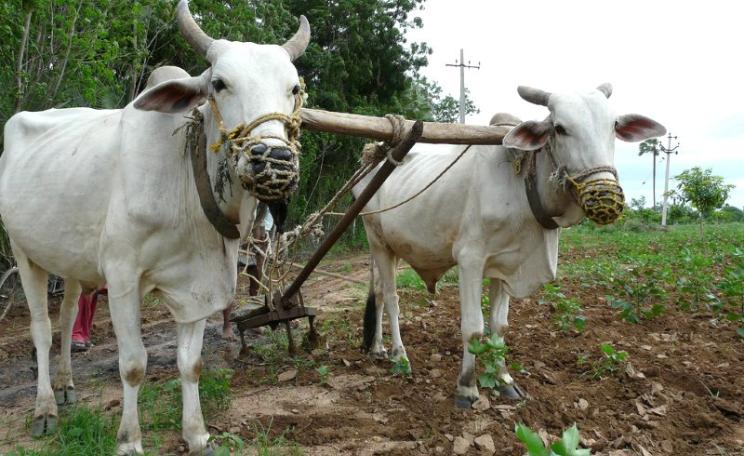
India's decision to release GMO cotton seeds that incorporate genes for Bt toxins into indigenous 'desi' varieties threatens disaster for the country's small and organic cotton farmers, writes Vandana Shiva. The danger is that the GMO characteristics will spread rapidly into the gene pool, contaminating India's unique heritage of cotton seed diversity.
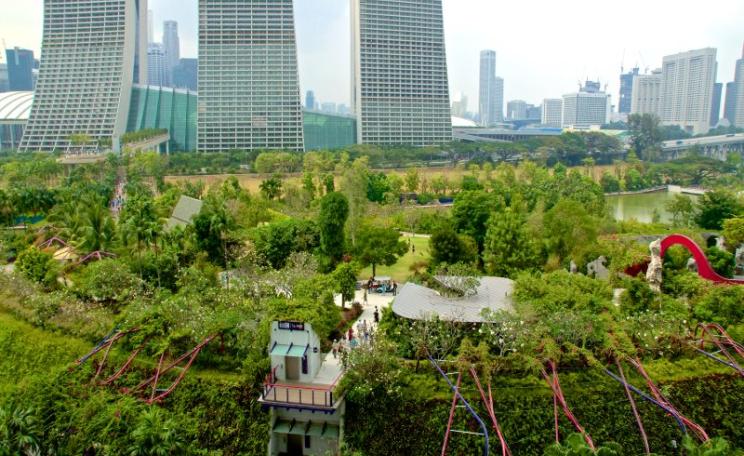
Biologist E O Wilson's grand idea of setting aside half of the planet for nature to thrive is both appealing and deeply challenging, writes William Lynn. But it's missing a key element: an urban vision of how people can live ecologically, joyously in the half we make our own.
The NYT's expose of Kevin Folta's PR role as a pro-GMO shill in the employ of Monsanto barely scratched the surface of a huge web of corporate money, influence and intrigue that permeates the US's premier universities and scientific institutions, writes Jonathan Latham - from Harvard and Cornell to the AAAS. Why the reticence to name all the names?
The 'Kevin Folta affair' has cast the hard light of day into the dubious PR tactics of the GMO industry, writes Claire Robinson - recruiting and paying scientists as secret shills to promulgate a pro-GM message without revealing their funding sources.
Consumers are routinely ripped off in an anti-competitive retail energy market dominated by a handful of big, polluting companies, writes Stephen Hall. Jeremy Corbyn's vision of a nimble, decentralised energy democracy with rapid development of renewables and real choice is both timely and innovative.
The ancient spiritual Indian practice of yoga has been colonized, writes Susanna Barkataki - appropriated into a commercially-driven 'body beautiful' culture. True practitioners must reclaim its true purpose and stage their own ahimsa, or nonviolent revolution of the mind, body and spirit.
Nuclear power advocates cling like limpets to the idea of 'baseload' power, writes Michael Mariotte. No surprise there - it's the only selling point they've got. It's just too bad the idea is obsolete. Variable renewables combined with stronger grids, energy storage and responsive demand can do a better job for less money. No wonder the shills are getting desperate.
The notion that nuclear is cheaper outside the UK is a myth, writes David Toke. Yes, it looks more expensive here - but only because new stations like Hinkley C have to compete in an electricity marketplace, making it harder to conceal the true costs like we used to.
Indigenous Australians are systematically deprived of the benefits of mining and other developments, writes Seán Kerins, and being left to suffer their environmental impacts. As Abbott's government prepares a bonfire of 'red tape', it's time to put Indigenous interests first, and place their communities at the centre of decision making.
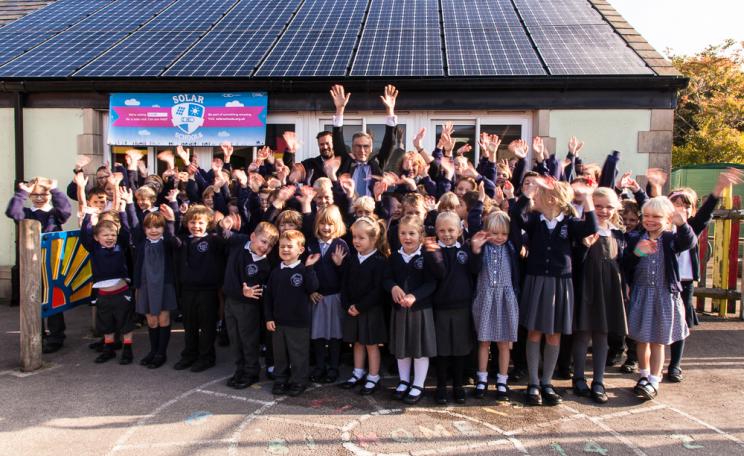
How comes doing 'the right thing' comes with hidden costs? For state schools planning to go solar this year the business rate hike would reduce the lifetime return of the panels to zero or even negative, while those that have have already installed solar panels face an unexpected tax bill in excess of £800 a year.
They tried to influence government - but that's not working any more, writes John Vidal. So Friends of the Earth's new boss is taking a more radical approach rooted in community activism. And as he prepares for a storm of protest over fracking and cuts to wind and solar, he's ready to take on George Osborne in an 'ideological war' for the future of Britain.
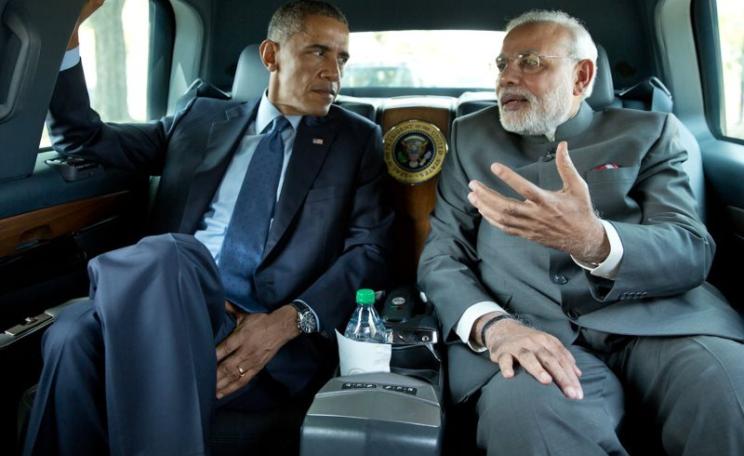
President Obama and India's Prime Minister Modi are best of friends - aren't they? So how come the US took India to the WTO's trade court - and just won a resounding victory? And why isn't India challenging the US's own discriminatory solar subsidies? It's because of the money, writes Charles Pierson. And poor India has no choice but to play by Washington's rules.