It's a seductive narrative, writes Benjamin Neimark: nature is valuable, so let's call it 'natural capital', create markets to monetise it, and so ensure its conservation. But sadly, it's not working. Maybe because capitalism itself is the problem. We need new approaches to saving the world's biodiversity.
Bob Inglis is a true Republican, writes Zachary Davies Boren. But now he's a ex-Congressman. All because he reckons that climate change is real, serious and demands solutions - among them a carbon tax to stop free riders dumping their trash in the sky. And, he's certain: it's only a matter of time before the GOP will come to see things his way.
Something scary is lurking in the melting Arctic permafrost, write Tim Radford & Oliver Tickell: 1,700 Gt of carbon. That's 53 years worth of current emissions, and if we let it melt the impact would cost the world $43 tn. Or act now, and we could preserve the Arctic ice for a seventh as much.
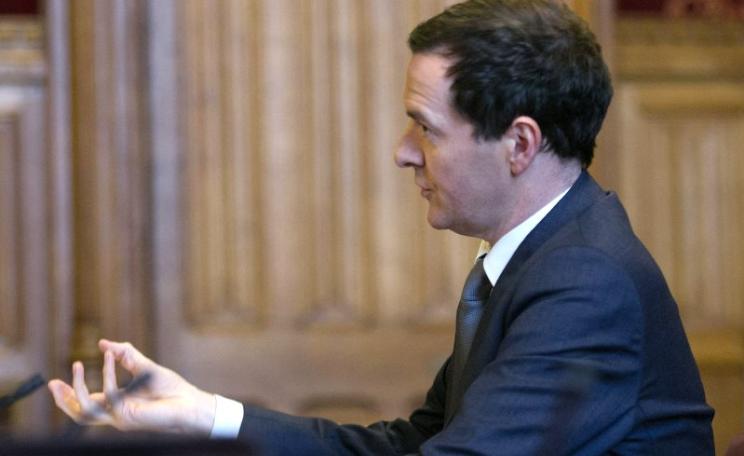
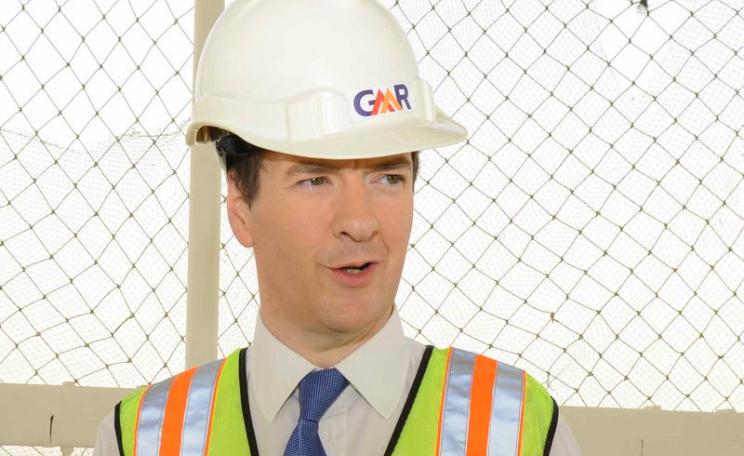
The UK government and its Chancellor George Osborne are grossly misleading the public over the relative costs of renewable energy and nuclear power, writes Oliver Tickell. Osborne's claim that nuclear is the 'cheapest low carbon technology' is the very reverse of the truth. He and his nuclear plans must be stopped.
The discovery that Volkswagen has been 'gaming' vehicle emissions tests has taken the world by storm, writes Paul Nieuwenhuis. But it comes as no surprise to campaigners who have long been aware of the huge gap between 'official' emissions and real word pollution. Where were the regulators? And why did it take an NGO to uncover the scandal?
As ever more companies and governments pledge to 'go green' and protect forests, the world's tribal peoples should be among the main beneficiaries, writes Amy Dickens. Yet the reverse is the case. All too often the promises are purest greenwash, used to conceal the human and environmental tragedy of land-grabbing for plantations, mines, logging and even 'conservation'.
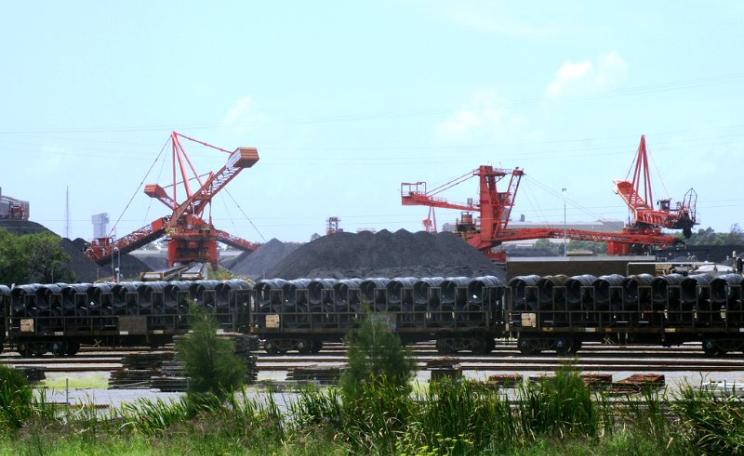
Pledges by investors to divest from fossil fuels have soared to $2.6 trillion - 50 times more than a year ago. 'Now is the time to divest', says Leonardo di Caprio, one of the latest to join the movement, which even includes Newcastle, Australia, home to the world's biggest coal port.
The UK's decision to 'green light' £2 billion in guarantees for the Hinkley C nuclear power station indicates the government's increasing desperation, writes David Toke. Bar the shouting, has anything actually happened? The guarantees have not been issued, and the announcement of Chinese participation in a new reactor at at Bradwell remains ... an announcement.
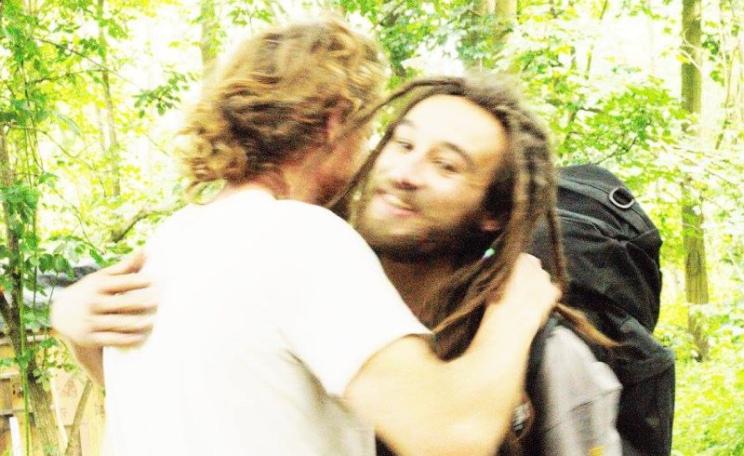
Coming so soon after the Magna Carta celebrations, the eviction and destruction of the Runnymede Eco-village is a parable of our times, writes Nicholas Sebley: a violent assertion of the power of capital over people and community, and part of a deliberate, systematic closure of alternative ways of living outside the mainstream economy.
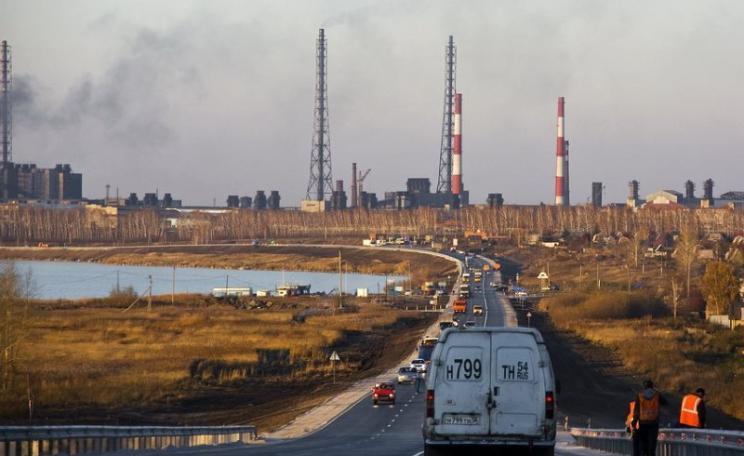
While other countries apply themselves to environmental challenges from climate change to nature protection, Russia - with its massive wealth of nature and natural resources - is stubbornly refusing to take part, writes Lucy E J Woods. And as the economy declines, the pressure is on: to ignore environmental regulations, and clamp down on environmental defenders.
The government claims that we need nuclear 'baseload' power to keep the lights on, writes Damian Kahya. But a new study shows reliable, low carbon energy can be provided by combining diverse green technologies including efficiency, large scale renewables, 'smart grid', energy storage and rarely used fossil fuel backup.
Today's announcement of a £2 billion government guarantee for Hinkley C confirms that Chancellor George Osborne and his Treasury cannot be trusted to run the UK's energy policy - which is precisely what they are doing. On top of decimating the renewables industry, now they're risking billions on a failed nuclear design owned by failing companies. It's time to stop the madness.
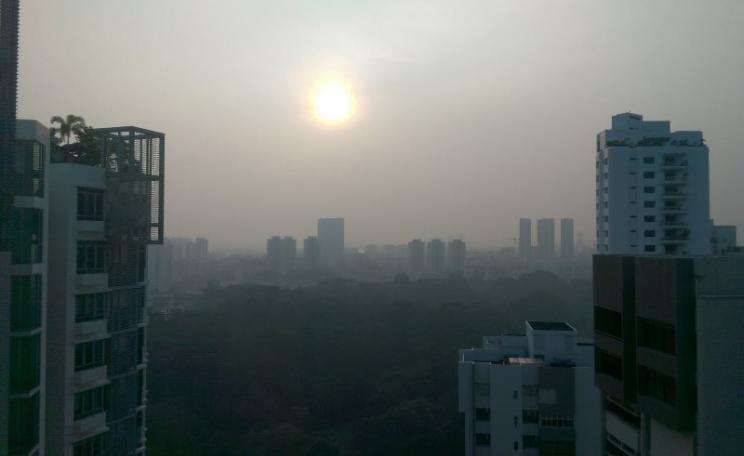
The burning forests and peatlands of Indonesia are once again casting a pall of choking smoke across the region, in the process releasing billions of tonnes of carbon. Promises to solve the problems stand betrayed - and COP21 commitments to tackle the problem are being weakened.
The 14th Onshore Round of oil and gas licencing entirely avoided the Prime Minister's Witney constituency for reasons that clearly have nothing to do with geology, writes David Smythe. Is the little-known Frack-Free Witney the UK's most successful - and covert - anti-fracking organisation? Or are darker forces at work?
A new study shows it's not just neonicotinoids that impair bees' ability to navigate to nectar and pollen sources, and to their nests: now the herbicide glyphosate has been found to have the same impact even at very low levels.