With all the EU's GMO exemptions filed, a clear majority - by number, population and area of farmland - have chosen to be GMO-free, writes Mary Dobbs. But the rules surrounding their opt-outs are complex in the extreme and many countries will find it hard to maintain their GMO-free status - specially if the Commission and the biotech corporations like Monsanto and Syngenta choose to exercise their powers.
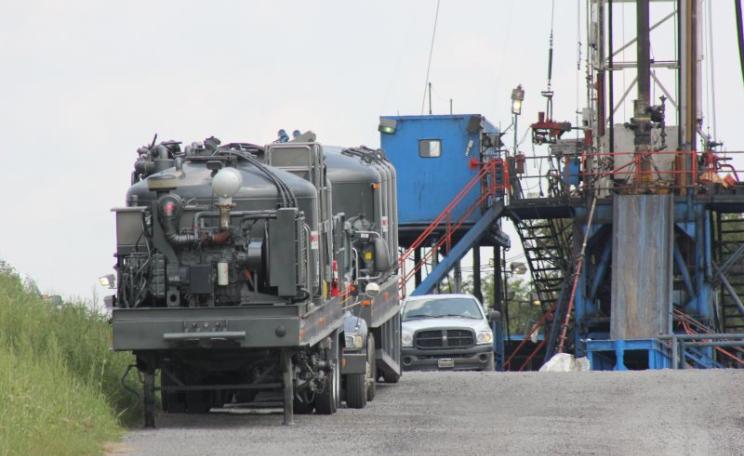
A new study in the US's 'fracking capital' Pennsylvania has found that pregnant women who live near gas fracking wells are far more likely to give birth prematurely or develop problems during their pregnancies.
Are low levels of nuclear radiation good for you? Or merely harmless, as many nuclear advocates want you to think? Sadly not, writes Ian Fairlie. A huge new study finds 'strong evidence' of a dose-response relationship between cumulative, external, chronic, low-dose, exposures to radiation, and incidence of leukemia.
However much you think nature is worth, it's a lot more, writes Neil Nightingale. According to the BBC's 'Earth Index', published today in the world's financial press, water alone is worth as much as the entire global economy, and a single beaver's landscape and wetland management clocks in at $120,000 a year.
Thanks to massive forest clearance for palm oil plantations combined with drought conditions in this 'El Nino' year, writes Zachary Davies Boren, rainforest and peatland fires across Indonesia are set to emit more carbon than the UK, while covering millions of square kilometres with choking smoke.
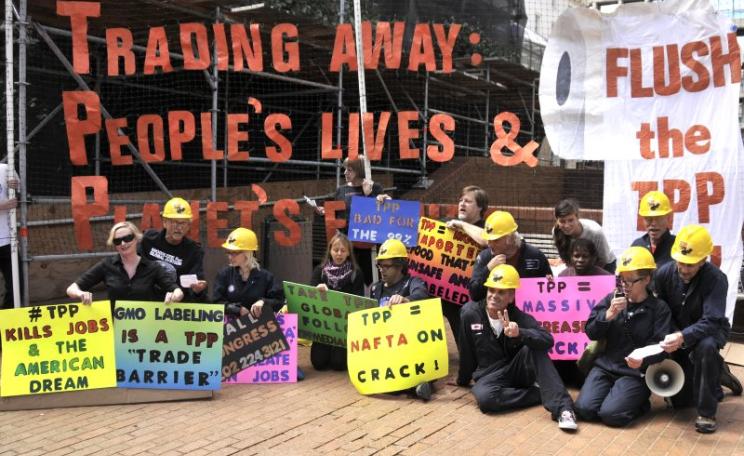
Just how bad is the TPP? Incredibly, we don't know its full horror because even now, the agreement is a state secret, writes Pete Dolack. But the text will have to be released soon so that Congress and other parliaments can vote on it. And only then we will know the full scale of the corporate sellout it represents. The choice facing legislators is clear: democracy, or corporate dictatorship?
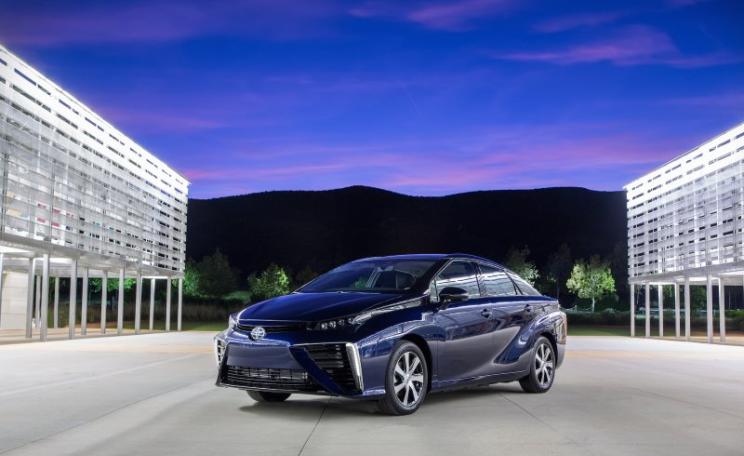
The real lesson of Volkswagen's 'dieselgate' scandal is that we must ditch petroleum fuels, writes Harry Hoster. There's new, clean technologies just waiting to take off - and the most promising is fuel cells. They will also fit right into the new world of renewables, with surplus power from wind and solar making the hydrogen they burn.
Ecotricity boss Dale Vince has accused the government of rigging the electricity market, writes Alex Kirby, by showering fossil fuels and nuclear power with huge subsidies, while taxing renewables and insisting they must 'stand on their own two feet'.
Campaign groups from Indonesia, Kenya and Peru have called on planners in the UK to turn down opencast coal mines in Co Durham and Derbyshire, write Anne Harris & Hal Rhoades. Not only do the mines damage local health and environment, say the activists. They also threaten global climate stability - and all countries must play their part in ending the world's coal addiction.
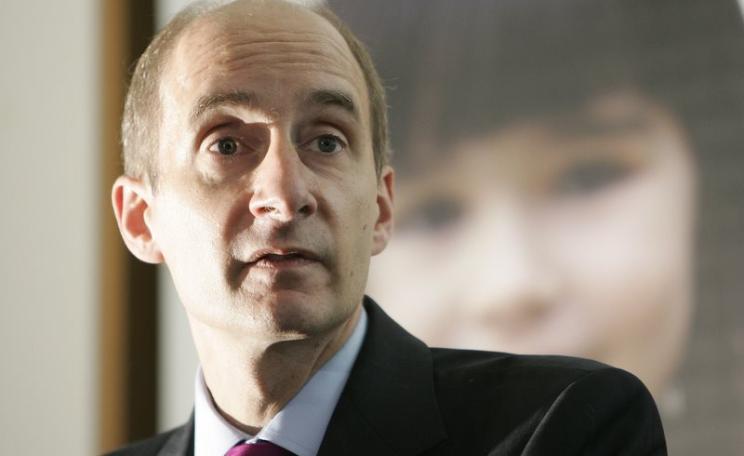
This week George Osborne took the entire energy policy brief out of the department for energy and climate change, and handed it to the new National Infrastructure Commission. It could mean a swift end to the Hinkley C nuclear plant and a new wave of renewables - but don't count on it. NIC chairman Lord Adonis is no green dreamer. But at least he takes energy seriously.
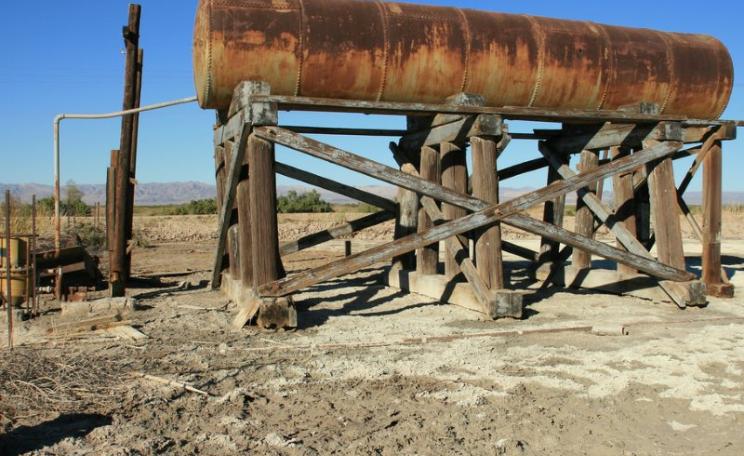
Water is life, writes Javan Briggs. And it belongs to all of us. California's water shortage is caused, not by 'drought', but by massive long term over-pumping. And as the crisis worsens, the response under the 'water as property' model is just to pump all the harder. We must manage water as a commons - to sustain us all, not to profit the few.
The successful conclusion of the TPP talks is a huge blow for social and economic justice, writes Nick Dearden in his twelve point summary. But it's not over yet: the long secret text must now be made public. And there's every chance it can be defeated in an increasingly skeptical Congress.
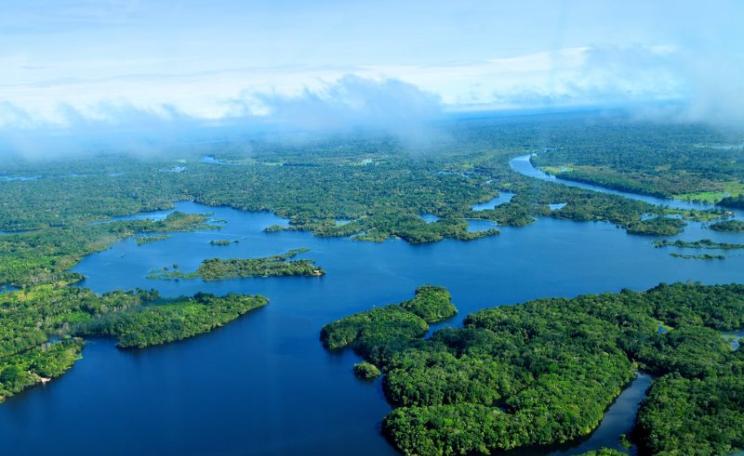
Brazil is about to auction hundreds of fracking blocks across the country - extending deep into the Amazon forest including the territories of remote and vulnerable indigenous peoples. Registered bidders include BP, Shell and ExxonMobil.
George Osborne's silence over nuclear power in his conference speech yesterday speaks volumes, writes Jeffrey Henderson. Fresh from his trip to China to put together deals worth tens of billions with state-owned Chinese corporations to get Hinkley C and Bradwell nuclear plants built, he had nothing to say on the matter. Is it because too many serious questions remain unanswered?
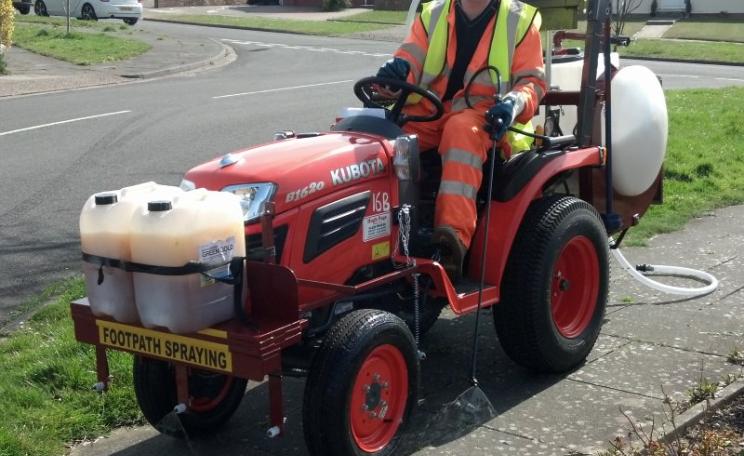
Local authorities around the world are going pesticide-free following an initiative by a small town in Canada 25 years ago, writes Keith Tyrell. Now the movement is coming to the UK, with campaign groups setting up in towns, cities and rural communities to keep pesticides out of our streets, parks, playgrounds and allotments.