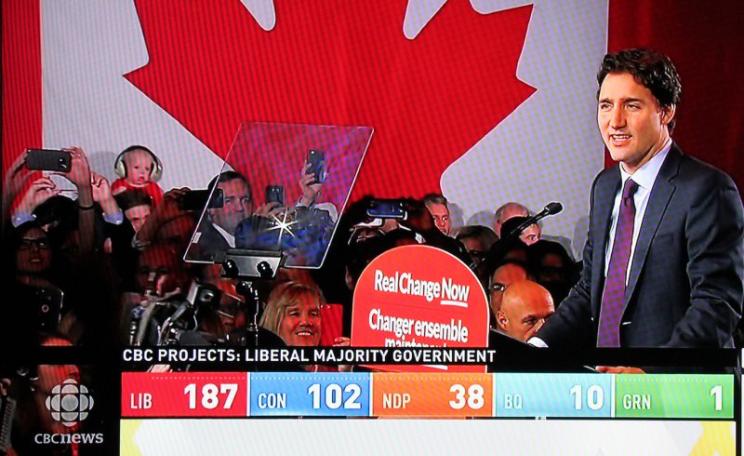
Political earthquakes in Canada and Australia have seen climate-sceptic leaders replaced by new ones committed to effective climate action, write David Konisky & Matto Mildenberger. It may be going too far to say that's why they were elected - but these elections do show that green policies are no electoral drawback.
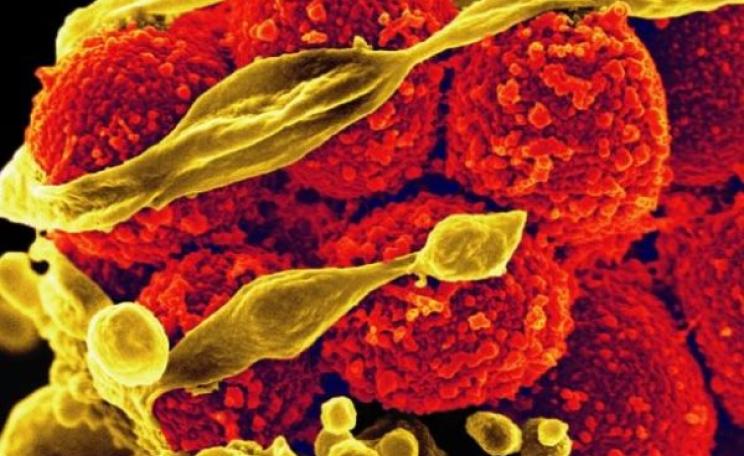
Antibiotics have saved countless millions of lives since the 1930s, but their power is failing due to their massive use in factory farming, horticulture, aquaculture and industry, says a new report from the All Party Parliamentary Group on Antibiotics. We must stop all inessential uses of antibiotics, or face a future where we risk death from minor injuries and routine surgery.
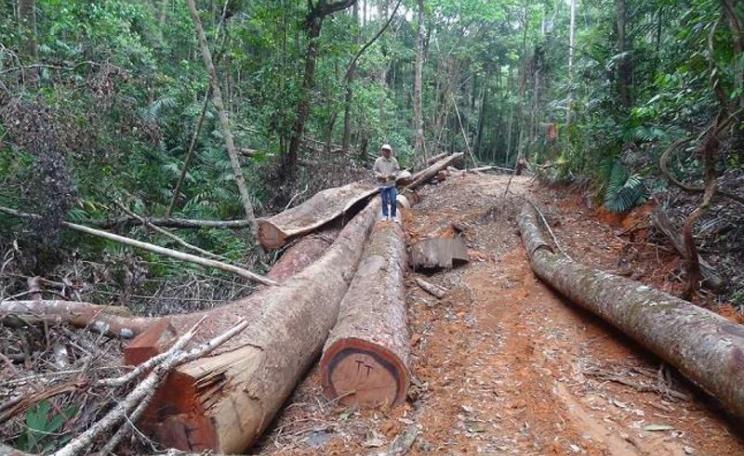
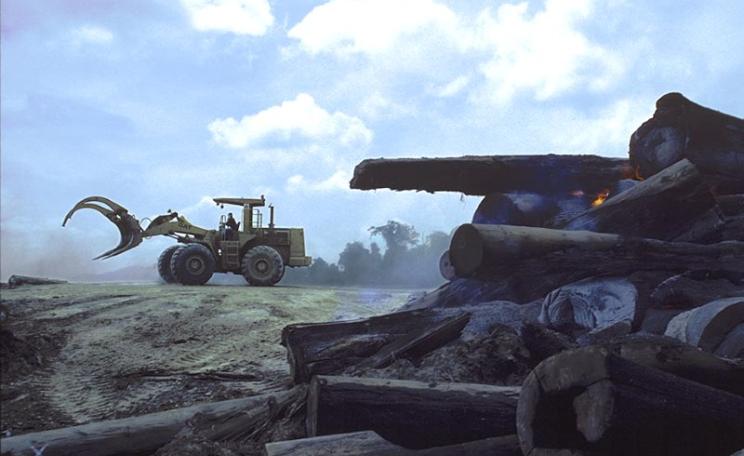
Forests in Laos are disappearing at a ferocious rate under the impact of rampant illegal logging which accounts for 90% or more of the industry, with lucrative export markets in Vietnam and China, writes Chris Lang.
The late Labour MP fought both Tony Blair and Gordon Brown on environmental policies, writes John Vidal, standing up for climate and access to countryside, and against GMO crops and road building. Radical to the end, he was one of the few MPs to support Jeremy Corbyn as Labour leader.
Massive government cuts in solar 'feed in tariffs' threaten to wipe out our highly successful solar industry, writes Sonia Dunlop - and all to save £1 year off our fuel bills. Yes, that's all it would cost to keep the sector in business, employing tens of thousands of expert solar installers all over the UK.
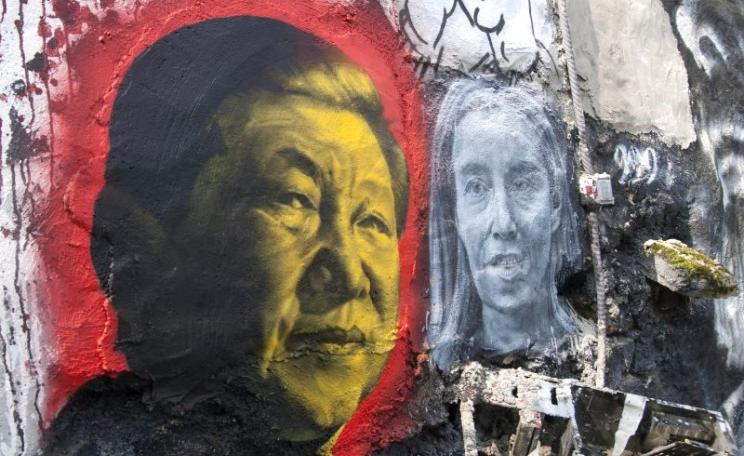
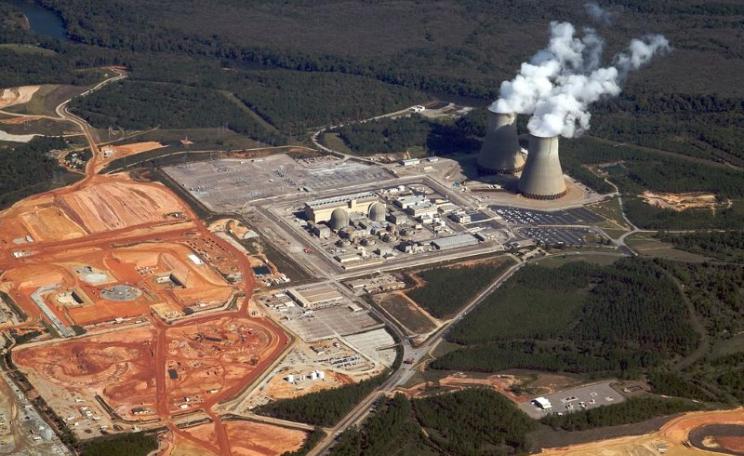
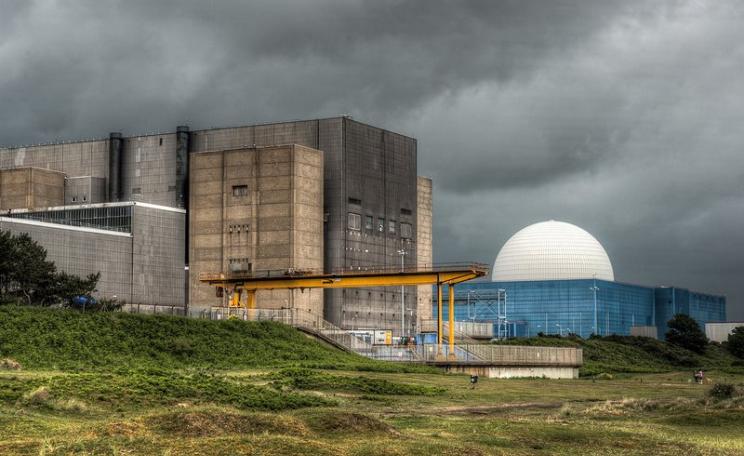
China's nuclear investment into the UK raises more questions than it answers, writes Oliver Tickell. The £6bn committed is nowhere near enough to see Hinkley C to completion, and EDF has few options for raising the rest elsewhere. The only answer is more Chinese money, and it won't come cheap - not for Britain, nor indeed for France's vulnerable nuclear corporations.
As indigenous activists opposing hydropower dams on their territories gather this weekend in the rainforests of Sarawak, Malaysia, they have good news to celebrate, writes Rod Harbinson: a giant dam on the Baram river has been put on hold. But the forests are still being logged, local people have been stripped of land rights, and a programme of 12 giant dams is still official policy.
Austrian timber company Schweighofer is linked to large-scale illegal logging which accounts for half of Romania's timber production. An EIA investigation finds that almost all the illegal timber ends up in the company's mills.
The UK's plan to get China to build and finance new nuclear power stations is based on a wish and a prayer, writes Oliver Tickell. There is no reactor design, including new Chinese ones, that we can depend on to fill our impending power generation gap. This time, the last one out won't even have to turn out the lights.
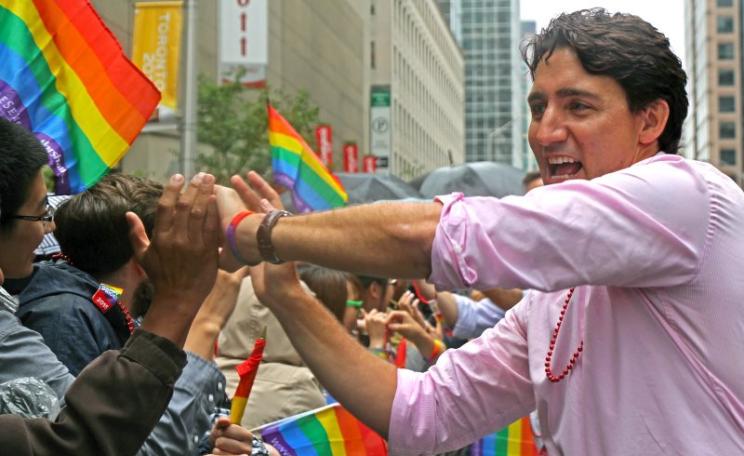
It's all change in Canada with the dramatic ousting of anti-environment Conservative Prime Minister Stephen Harper, writes Carol Linnitt. Under the new Liberal PM Justin Trudeau things are looking a lot better for climate, science, environment, transparency and First Nations. But Canada is still set to go into the Paris climate talks with the same weak level of commitment.
Climate Smart Agriculture sounds like a great idea, write hundreds of civil society organisations worldwide. But in truth it's a PR front for international agribusiness to promote corporate agriculture, pesticides and fertilisers at COP21, with a heavy dose of greenwash. Countries must resist the siren calls - and give their support to true agroecology that sustains soil, health, life and climate.
As a first 'official' cancer case is admitted at Fukushima, a study of over 400,000 young people in the prefecture identifies a 30-fold excess of thyroid cancer, writes Oliver Tickell. With the high rate and early onset of the disease the scientists fear many more cases to come - and that WHO underestimated the scale of radiation release.
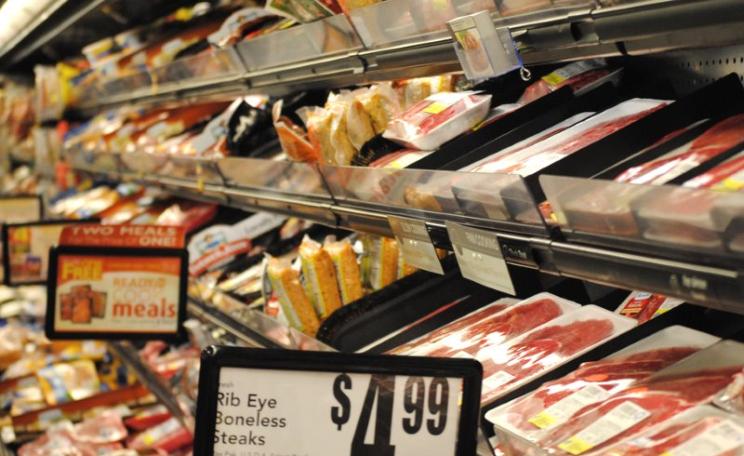
The 'regulatory cooperation' clauses in TTIP threaten to strip away vital EU protections on food, health and environment, writes Alex Scrivener. Indeed it has already begun: the mere prospect of TTIP has persuaded the EU to back off on plans to ban lactic acid-treated beef and 31 toxic pesticides. We must reject the entire package!
The UK is embarking on a reckless endeavour in its attempted nuclear union with China, write David Lowry & Oliver Tickell. China's investments will come at a high price, one that transcends mere money and the undoubted security risk inherent in its control of key elements of our energy infrastructure. At risk is the UK's very future as a sovereign, independent nation.
Corporations can be incredibly innovative, writes Paul Levy. But it's not always in good ways. Think of VW's clever device for fooling emissions tests, social media software that's way too intrusive for its own good, or sugary drinks marketed as 'healthy' when they're no such thing. Sadly, there's a lot of it about!