Economics is much more than the study of money, writes Paul Mobbs. It is a belief system, and in its 'mainstream' incarnation, one that serves a very useful purpose - for those that reap the benefits. But as Brian Davey shows in his insightful new book, it's letting the rest of us down: failing to deliver human wellbeing, while driving ecological calamity.
The world could soon be generating all its electricity from renewable sources, writes Dave Elliott, by harnessing diverse technologies for generation, grid balancing and energy storage. Add to that the use of power surpluses to make fuels, and it could even be feasible to make all our energy - not just electricity - renewable. A clean green future beckons.
The EU's Nature Directives have been doing a great job of protecting Europe's most threatened species and habitats and building up wildlife numbers, writes Catherine Weller, and the UK knows it. But now it's the Directives themselves that are under threat. Other EU countries are standing up for them - but not the UK.
What's the new 'big thing' in energy? Of course, cheap, abundant solar power is very new and very big. But to make it work on a really large scale we need to be able to store its energy to use when we need it, not just when the sun is shining. Soon the batteries will be there to make that possible - at a price we can afford. And that will be a very big thing, indeed.
Greece is Europe's sandbox for the neoliberal free-for-all to follow if the EU and the US sign off on the TTIP trade and investment treaty, writes Pavlos Georgiadis. The termination of public services, the cut-price sell-off of public assets, the dismantling of environmental protection, the democratic closedown, the rule of corporations and finance capital ... all coming your way soon.
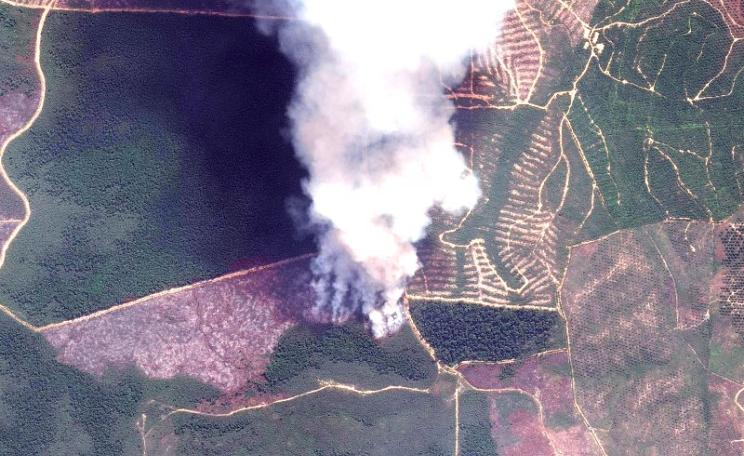
Indonesia's President Widodo has promised strong action to put out his country's raging forest fires, writes Scott Edwards. Yet this year's conflagrations are the worst since 1997. His problem? Powerful elites in forested provinces are making big money from the burning. And they see little reason to heed Widodo's pleas - or anyone else's.
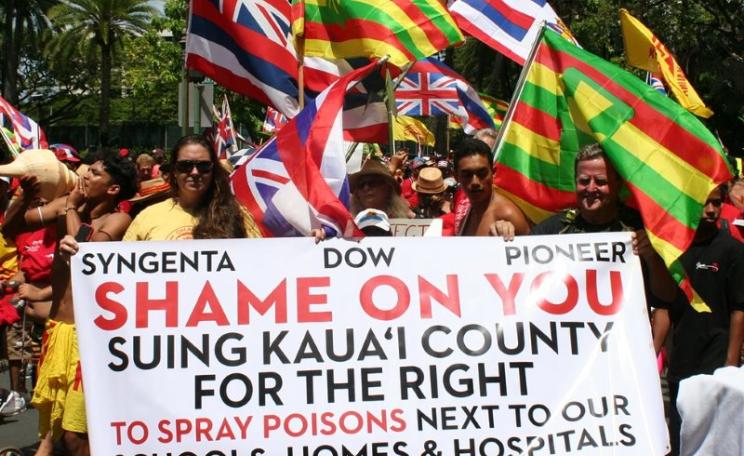
Hawaii has got everything, writes Christopher Pala, and not just for holidaymakers. It's also the perfect place for biotech companies to develop GMO corn varieties and spray them with toxic agrochemicals. People are getting sprayed too - and doctors report high rates of birth defects. But grassroots efforts to restrict the use of pesticides have twice been over-ruled by state courts.
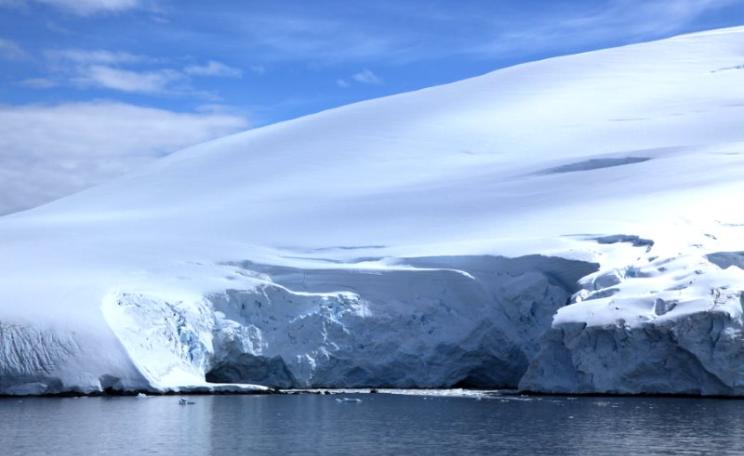
Antarctic glaciers are famously losing ice around the margins of the continent, writes Maria-José Viñas. But a new study from NASA shows that those losses are offset three times over by ice thickening in central Antarctica, causing sea levels to drop. However the net ice gain may run of steam in coming decades.
On the first anniversary of the UK's National Pollinator Strategy, writes Sandra Bell, the Bee Coalition warns that bees are still under threat from highly toxic pesticides, continuing loss of habitat, and an increasingly inhospitable countryside. The Government must do more to protect our bees.
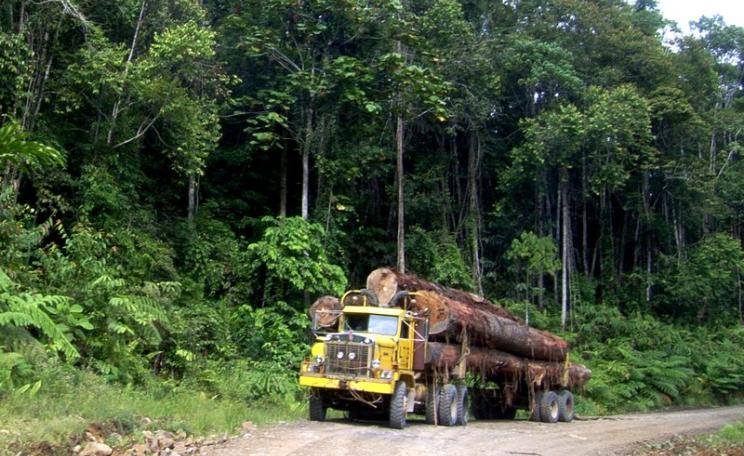
Just as Indonesia's forests are going up in flames, in part as a result of illegal logging on a massive scale, the country's Trade Minister has issued a regulation that would rubber stamp exports of illegal timber - also undermining a timber agreement with the EU that's due to come into force next month.
This December, world leaders will meet at COP21 in Paris to negotiate a global agreement on climate change, writes Kara Moses. But the real action and inspiration will be in a host of parallel events, conferences, action and demonstrations attended by tens of thousands of global climate activists. So here's your definitive guide to what will be happening - and how you can join in!
Political groups in the European Parliament have sent a clear message to the Commission on its GMO proposals, writes Molly Scott Cato - we are not willing to have piecemeal and vaguely-defined 'opt-out' legislation forced down our throats.
Seventeen or more secret applications have been made to India's GMO regulators for trials and release of GM crops including rice, wheat, chickpeas, brinjal and mustard, write Colin Todhunter & Oliver Tickell. In a violation of the law regulators have released no information about the applications, raising fears that India's first GMOs will be released with no health, safety or environmental testing.
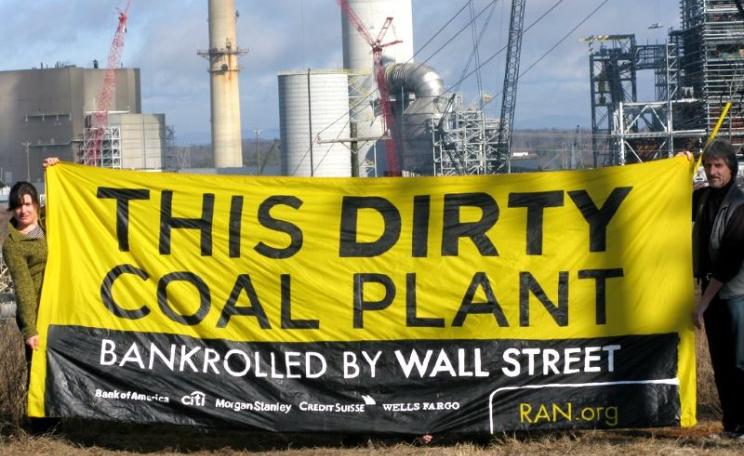
Since the last big climate conference in 2009 the world's biggest private sector banks have provided more than nine more money to fossil fuels than to renewable energy - showing up their oft-repeated 'green finance' promises as little more than PR puff.
Climate change will impact the world in many ways, writes Matthew Blackett. Some of them may be good, like more rain in African drylands and coral atolls adapting to rising seas. But most of them - like coastal flooding, long term drought, earthquakes and stronger tropical storms - will be very challenging. We must increase the resilience of the most vulnerable countries without delay.