A new wave of ‘next generation' GM crops resistant to multiple herbicides, may be approved for import into the European Union, writes Helen Wallace, even though the health impact of the herbicide combinations is unknown. Regulators and retailers must refuse to authorise these GMOs or allow their use in any part of the food chain.
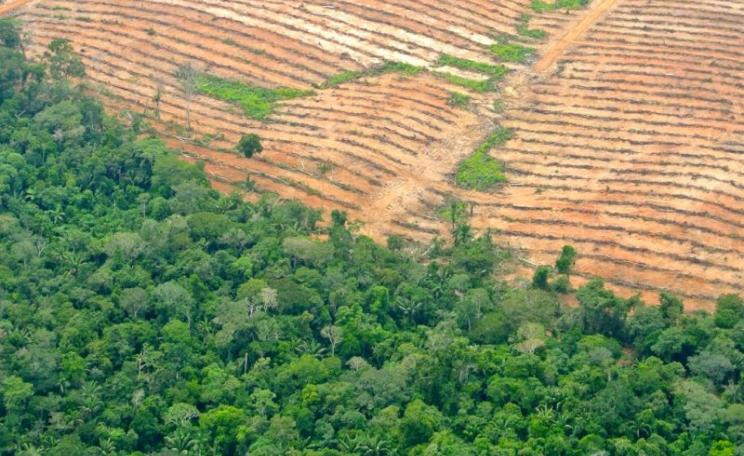
Death threats to an indigenous forest defender in Peru have followed his success in closing down an illegal palm oil operation on his tribe's lands carried out by a member company of the Roundtable on Sustainable Palm Oil, now meeting in Kuala Lumpur.
A new investigation of palm oil plantations, companies and auditors has found that the Roundtable on Sustainable Palm Oil is failing to deliver on its promise, writes Chris Lang. Widespread fraud, collusion between auditors and companies, conflicts of interest, and a flawed complaints system mean that RSPO-certified palm oil may be destructively and illegally produced.
There is a sad irony in the security clampdown on the climate 'mobilisations' planned for COP21 in Paris, writes Nick Dearden. Because those affected are the very people who are most commited to building a green, just, peaceful world free of the chaos and disruption that climate change is bringing.
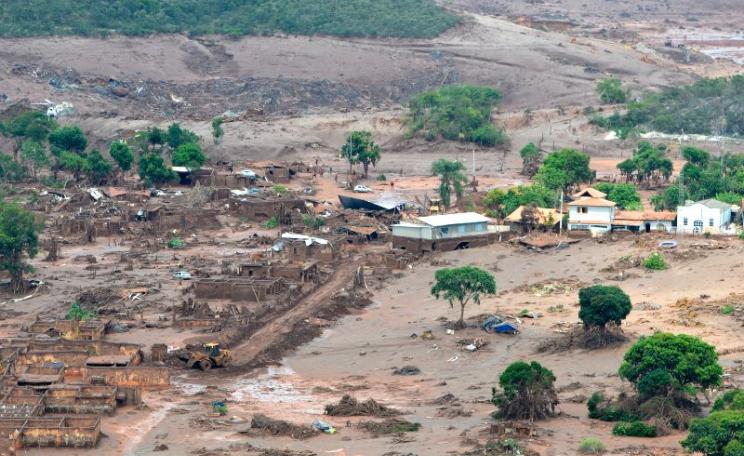
Brazil has suffered its biggest ever industrial disaster, write Ana Luisa Naghettini & Geraldo Lopes. Breached and overflowing dams have released a massive slug of toxic muds and tailings from iron mining into the country's fifth largest river system that provides drinking water for downstream cities, destroying ecosystems in rivers and vast areas of biologically fragile ocean.
The two major demonstrations planned by climate campaigners at COP21 in Paris have been banned by police for security reasons. But organisers insist that over 2,000 events are still going ahead - and call for solidarity marches and protests around the world.
Amber Rudd's speech today exposes her total failure to assemble a coherent energy strategy, writes Oliver Tickell. It reveals the increasingly certain failure to meet EU renewable energy targets, proposes a new tax on wind and solar generation, and leaves the country facing the real prospect of lights going out in the next decade. The one hard policy? To maximise oil and gas recovery.
Right wing Labour MPs have launched a full-scale coup against Jeremy Corbyn, and against the members of the party they represent, writes Oliver Tickell. Their plan is simple - backed by mainstream media, to discredit him so utterly that even his supporters turn against him - and elect a new 'heir to Blair' leader.
Remarks by Bernie Sanders that climate change is a major driver of global instability and terror, he was mocked by Republican Presidential contenders. But the argument is a familiar one to the CIA and the Department of Defense, which has itself released strong warnings on the issue. Is it time the GOP got with the beat?
The greatest danger of the Paris conference is that the global South will be bullied into to accepting a terrible deal rather than leave with none at all, writes Brian Tokar. That gives civil society an essential role - to support the resistance of developing country representatives inside the summit to an unjust and ineffective agreement imposed on them by the rich, powerful, high-emitting nations.
New reports show the huge potential of renewables in Southern Europe to rekindle prosperity, writes Helle Abelvik-Lawson, using clean, low cost energy from wind, solar and geothermal sources backed up with pumped storage hydro, displacing dirty lignite and oil fired generation.
The massacre of elephants for Asian ivory trade is driving the iconic African giant to extinction, writes Lewis Evans. But the 'military response' is both brutal and ineffective, all the more so as it excludes and alienates the indigenous communities who are the best defenders of nature and wildlife. The simplistic message of 'Last Days of Ivory' is both damaging and dangerous.
In the run-up to the COP21 climate summit in Paris the G20's Antalya Communiqué is weaker on climate, fossil fuel subsidies and support for renewable energy than the G20's 2009 Pittsburgh Statement made shortly before the failed COP15 in Copenhagen six years ago.
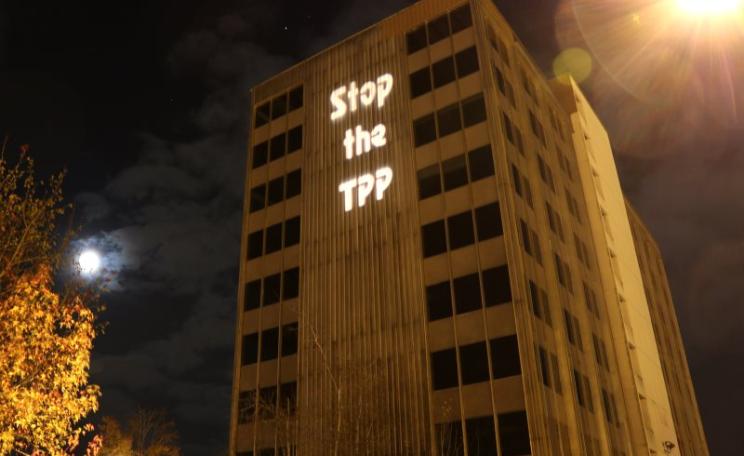
Thanks to New Zealand, the full text of the Trans Pacific Partnership has been made public. And as Pete Dolack writes, it's a disaster for health, environment, workers and democracy - one that will unfold over years and decades to come, as investors and corporations consolidate their power over elected governments and cement in the global rule of unaccountable capital.
A new review of the performance of politically fashionable 'voluntary' approaches to environmental protection demonstrates limited effectiveness, writes Donal McCarthy. Laws and regulations play a vital role in protecting nature and the wider environment - for which voluntarism is no substitute.