As industrial agriculture continues to erode our wildlife, Dave Goulson challenges the methods and objectives of ever-increasing food production. We need to move towards sustainable, evidence-based farming systems that produce healthy food, rather than allowing the agrochemical industry to reshape our farming, countryside and nutrition to its quest for profit.
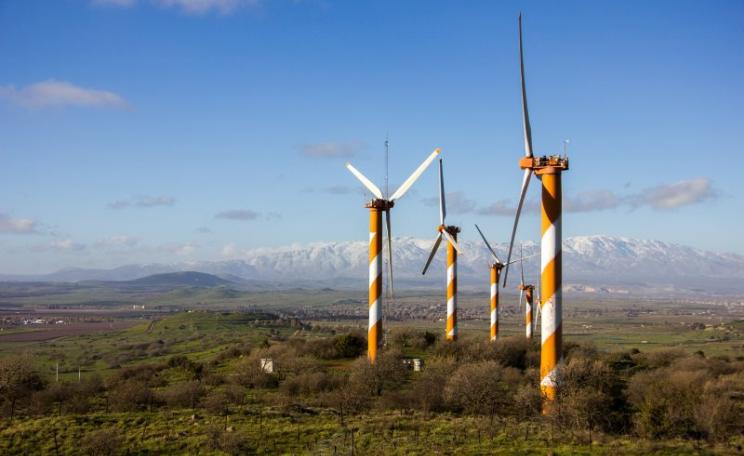
After a massive oil find in Syria's Golan Heights, occupied by Israel since 1967, Israel is asking President Obama to recognise its annexation of the territory, writes Jonathan Cook. To consolidate its hold, plans are afoot to quadruple Israeli settler numbers to 100,000.
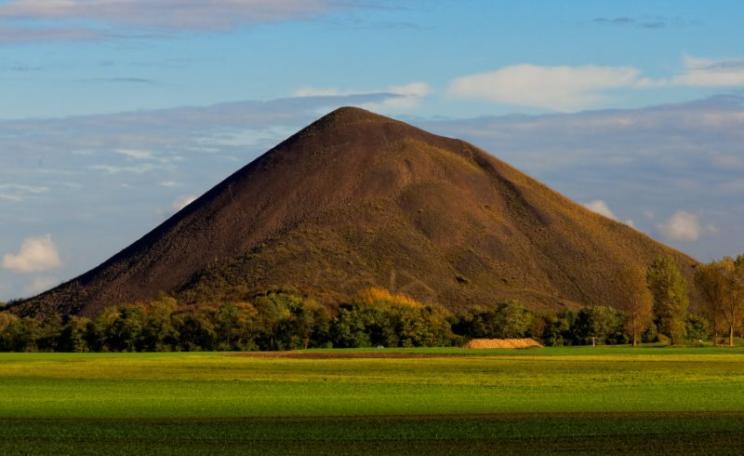
The world produces over a billion tonnes a year of dangerously caustic wastes, write Helena Gomes, Mike Rogerson & Will Mayes. They are currently being dumped, although they could be used to sequester a gigatonne of CO2 from the atmosphere - while also yielding minerals essential for key renewable energy technologies.
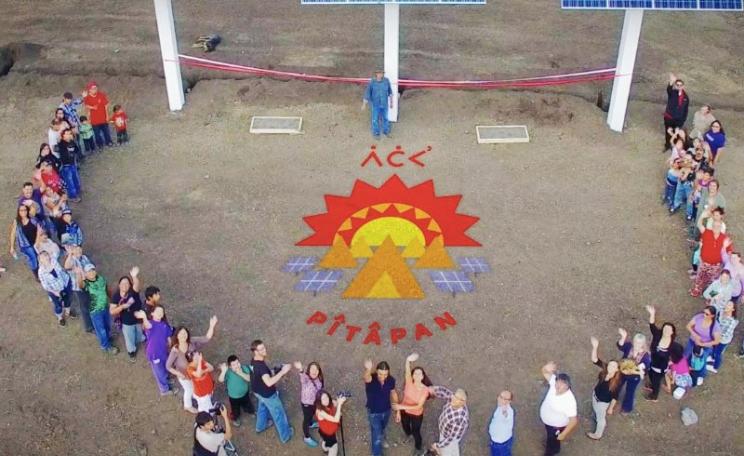
An 500-strong Indigenous community in Alberta, the heart of Canada's environmentally catastrophic tar sands industry, is fighting back against the pollution, writes Melina Laboucan-Massimo - by cutting themselves adrift from dependence on fossil fuels, and starting up their own solar power station: a vital first step towards building a just and sustainable society.
Is it a coincidence that the terrorist outrage in Paris was committed weeks before COP21, the biggest climate conference since 2009? Perhaps, writes Oliver Tickell. But failure to reach a strong climate agreement now looks more probable. And that's an outcome that would suit ISIS - which makes $500m a year from oil sales - together with other oil producers.
Mexico is determined to restore populations of its largest native predator, the jaguar, to long term viability, writes Kent Paterson. That means creating millions of acres of ecological corridors across the country, and joining with US colleagues to secure large areas of habitat in southwestern states, where recent sightings give hope that jaguars are returning to their former range.
The government's policies on climate, energy and industry are not merely stupid, writes Alan Simpson. The repeated cuts to renewables and energy efficiency, combined with limitless largesse to fossil fuels, has reached the point of insanity in the face of the UK's legal obligations and the growing climate crisis. Only we, the people, can end the madness.
Europe's top food safety regulator has ruled that the world's top selling herbicide, glyphosate, does not cause cancer - in defiance of the WHO and overwhelming scientific evidence. The decision opens the way for a 10-year EU re-approval next year, before its Chemicals Agency has released its own findings.
As Aung San Suu Kyi's National League for Democracy takes a strong lead in Burma's elections, Nafeez Ahmed warns that the military will remain the real power in the land. And as UK, EU, US, Chinese and Gulf state energy corporations compete to exploit Burma's hydrocarbons, don't expect them to denounce the ongoing genocide of the Rohingya, and anyone else in the way of their oil and gas infrastructure.
The recently announced Snoopers Charter 2.0 gives the state enormous powers to delve into our lives, writes Paul Mobbs. And all the more so when combined with other data to which the government has access - by simply buying it from commercial providers. If you don't like the idea, it's time to get your systems secure and shrink your digital data trail.
In 2009 G20 nations pledged to eliminate fossil fuel subsidies. But they are still supporting them with $452 billion a year. Worst offenders include the UK, the only G7 country that's ramping up its fossil fuel spending; and Turkey, host of tomorrow's G20 summit, which plans to double its CO2 emissions with a huge new fleet of coal power plants.
Is the aspiration to halt the loss of biodiversity by 2030 - enshrined in the UN's new Sustainable Development Goals - a fairy tale? It's ambitious, writes Richard Pearson, but there are plenty of signs that the world is acting effectively to conserve its endangered habitats and species. With extraordinary effort, we can do it.
Surprise changes to the Finance Bill in its third reading have withdrawn tax benefits for investors in community renewable energy projects, writes Georgina Matthews. While some societies are rushing to complete their fund-raising by the end of the month, others have been forced to close. If these measures are not withdrawn, a small but flourishing sector will be at risk.
Floating wind turbines offer huge falls in the cost of offshore wind power, writes Paul Brown, and could be generating power in UK waters at well under the cost of new nuclear by 2020, provided adequate support.
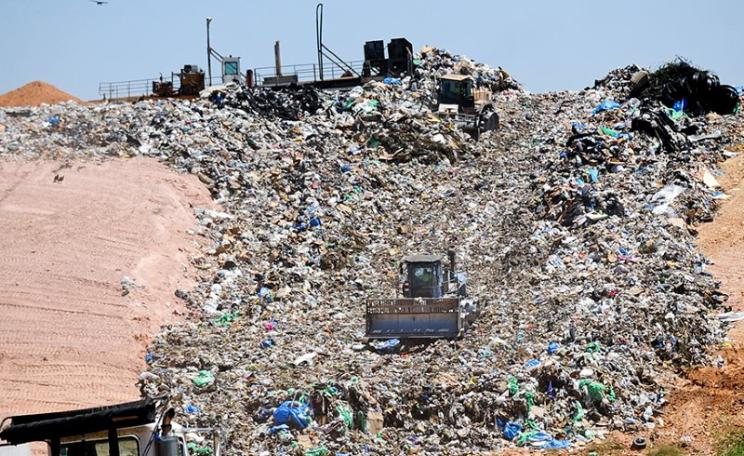
Landfill sites, giant hog farms, incinerators and other 'bad neighbor' industries in the US tend to be situated in African American communities, writes Heather Kathryn Ross. The Environmental Protection Agency is legally obliged to prevent 'environmental racism', but from California to Michigan, low-income communities of color have been waiting years for it to take a stand. Now, backed by Earthjustice, they are forcing the issue - in the courts.