It was all going so well for Chevron - a New York court had ruled that a $9.5 billion judgment against it set by Ecuador's supreme court for massive pollution deep in the Amazon was corrupt and fraudulent. But then its star witness broke ranks and admitted, in another court, that he had lied, and the only bribes were coming from Chevron. Will Ecuador's pollution victims finally get justice?
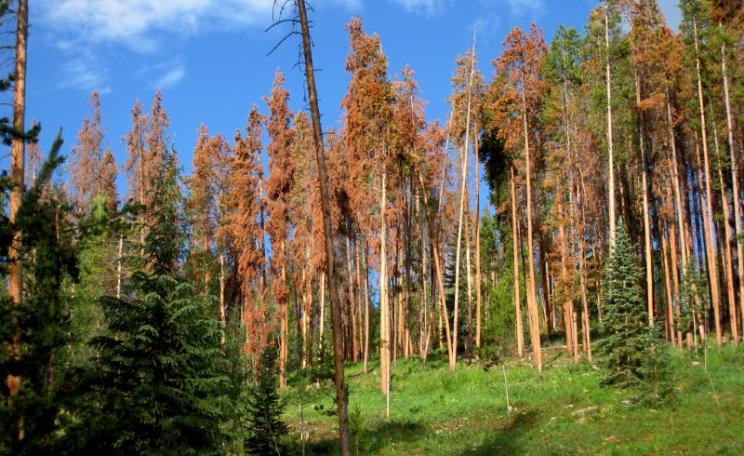
Bark beetles are invariably presented as terrible, forest killing pests, writes Chad Hanson. But in truth forest biodiversity depends on them to create the snags for insects to burrow in, woodpeckers to feed off, and countless birds and even pine martens to nest in. So when you hear politicians calling for bark beetle 'salvage' logging, send them off with a flea in the ear!
Climate protestors claimed a big win after a successful 48-hour vigil outside the Daily Mail's London offices with Green Party Leader Natalie Bennett that won wide support from the Mail's own journalists. More events will follow in the run up to COP21.
UNESCO's Lake Ohrid-Prespa Biosphere Reserve at Mount Galicica, Macedonia, is at risk from a raft of aggressive developments, write Elena Nikolovska & Daniel Scarry: tourism complexes, a new expressway and ski resort all threaten its tranquility and stunning diversity of wildlife, backed by loans from the EU's taxpayer-funded Bank, the EBRD.
Buried in the minutes of an obscure new quango is evidence of vast corporate capture of the UK government, writes Christine Berry. The order of the day is to strip away business regulation without regard to the public costs - so long as companies save money.
Eight Greenpeace expeditions to far-flung corners of the Earth all found ubiquitous traces of PFCs, writes Gabriele Salari. These toxic, long-lived chemicals are widely used on outdoor garments to make them proof to the fiercest of storms - even though there are safe alternatives and most people don't need them anyway. If you're buying outdoor gear, be sure to choose PFC-free!
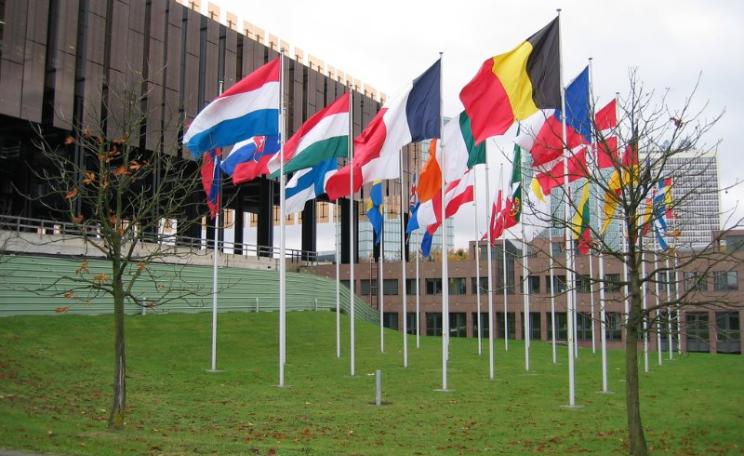
The investor protections in the US-EU TTIP treaty would privilege US corporations over the EU's own citizens and businesses, writes Laurens Ankersmit & Oliver Tickell. That would sideline EU courts and undermine the completion of the internal market. It is therefore essential that the EU Court be asked to rule whether they are legal.
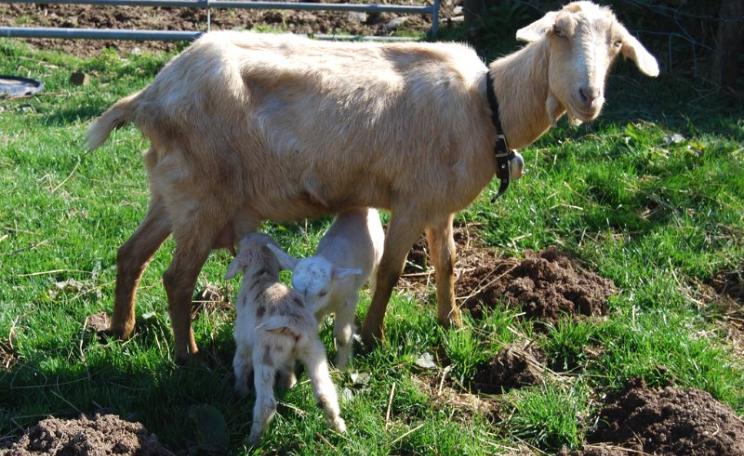
Mother goats fed on 'Roundup-ready' GMO soy produce milk that's much lower in fat, protein and antibodies than non-GMO controls, writes Jonathan Latham, and contains traces of GE DNA. The milk also stunts their kids' growth.
The high oil prices that turned North Dakota into a boom state have turned, writes Joshua Frank. Now high-cost oil and gas are in the doldrums everywhere, production is falling - and even if prices do pick up one day, risk aversion and the relentless advance of renewables will leave lakes of oil and caverns of gas underground where they belong. Folks, the oil party really is over!
Last week BP's Peter Mather - who claims to have 'green and yellow oil' flowing in his veins - took to the airwaves on Radio 4's The Bottom Line'. Evan Davies asked some tough questions, writes Chris Garrard - but failed to mention the shocking case of Colombian trades unionist Gilberto Torres, kidnapped and tortured for 42 days by paramilitaries employed by BP's joint venture partner.
Just as the UK's entire renewable energy industry is up in arms against fierce cuts to support for the sector, energy Minister Andrea Leadsom suggested to MPs that the measures were supported by solar firms in her constituency. They beg to differ.
Vultures are superbly adapted creatures for the essential role they play, efficiently disposing of the mortal remains of millions of dead animals, writes Louis Phipps. Yet we humans appear to be doing our best to kill them off - creating a vast hazardous waste problem that's costing us billions.
'Climate Smart Agriculture' advocates were out in force at the just concluded climate talks in Bonn, writes Pavlos Georgiadis. But their finely crafted corporate message presents a real threat to genuine agroecological solutions to the interlinked food, farming and climate crises.
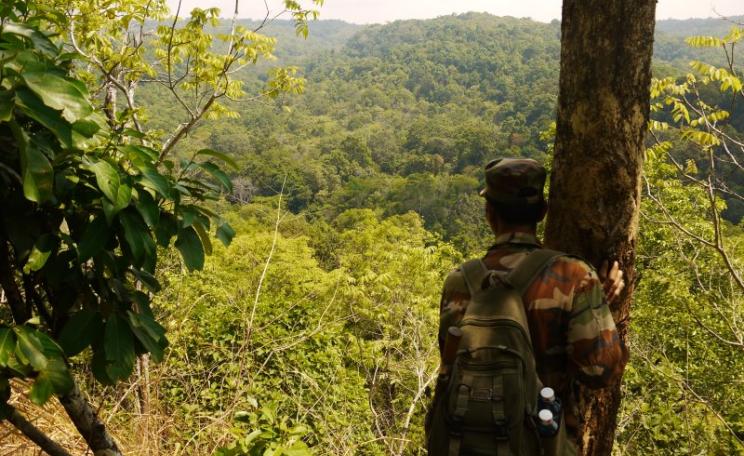
An initiative to re-home abused, over-worked domestic elephants is supporting the conservation of one of Cambodia's last and most species-rich rainforests, writes William Laurance. Growing ecotourism in the area, attracted by the elephants, is engaging indigenous communities in forest protection and helping to stave off the pressure from loggers and plantations.
Economist Nicholas Stern warns that the stakes have never been higher for radical action to be agreed at the Paris summit, writes Kieran Cooke: while we have the capacity to do all that's needed, it's far from clear that we will actually will.