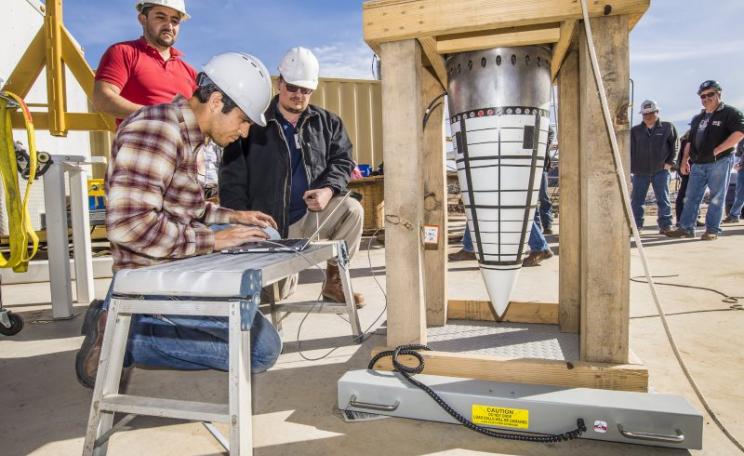
Hydrogen cars - and the fuel cells that drive them - are about to get a whole lot cheaper thanks to a redesign of the platinum catalyst that makes them work, writes Oliver Tickell. By inserting atom-sized holes into the precious metal's surface, its activity can be trebled.
Declining tuna stocks are not the only consequence of an out-of-control tuna industry, writes Cat Dorey. A major tuna fishing method used in tropical seas is causing serious damage to coral reefs and attracting a huge 'bycatch' of sharks and other species. Now responsible producers and retailers are taking matters into their own hands - and you can help!
Sue Lloyd Roberts, the brilliant investigative journalist who died yesterday, was a unique phenomenon in the BBC, writes Oliver Tickell - fearless, rooting out the dirtiest of secrets, fighting the cause of the oppressed, abused, exploited and downtrodden. Now the BBC must keep her mission alive with a new, independent unit dedicated to human rights worldwide.
On the face of it, the UK's policy to pursue nuclear power at all costs, while destroying the renewable energy sector, is totally illogical, write Philip Johnstone & Andy Stirling. But then it may make perfect sense - if only you accept that it's really all about maintaining the country's role as a nuclear weapons state for generations to come. And the 'deep state' has a way of getting its way.
Industrial agriculture and industrial food processing have combined to produce something extraordinary, writes Julian Rose: 'KRISS the unrecognisable croissant'. Just don't make the mistake of confusing it with food. Devoid of nutrition, laced with hydrogenated oil and a long list of artificial ingredients, if you care about your own health and that of our planet - give KRISS a miss!
The might of the Polish state is turning against the country's small farmers following a series of effective protests against the sale of land in the country's western Pomerania province to foreign investors.
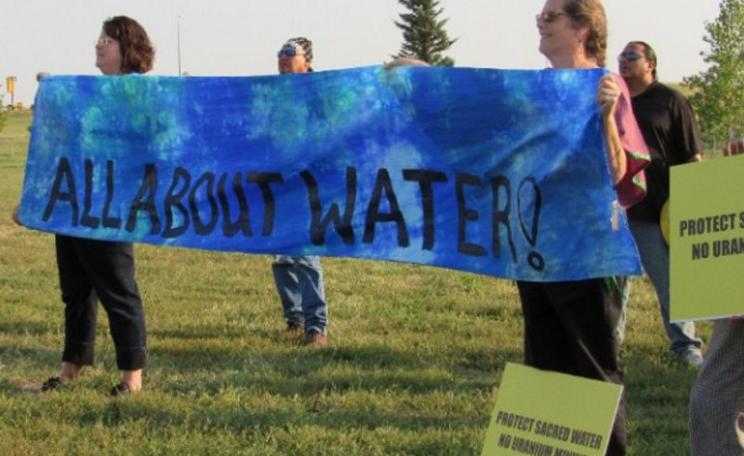
The impending renewal of the license for a uranium mine in Nebraska has ignited a years long resistance among those - most of them women - for whom good health and safe, clean water in the Ogallala aquifer is as important as life itself, writes Suree Towfighnia. But for others, jobs and money come first. Now the Nuclear Regulatory Commission must reach its decision.
The Conservatives' commitment to owning, renewing and using the UK's nuclear weapons was cheered to the rafters at their party conference, writes David Lowry. But it has left them vulnerable to Corbyn at tomorrow's Prime Minister's Questions - should he decide to expose their nuclear hypocrisy.
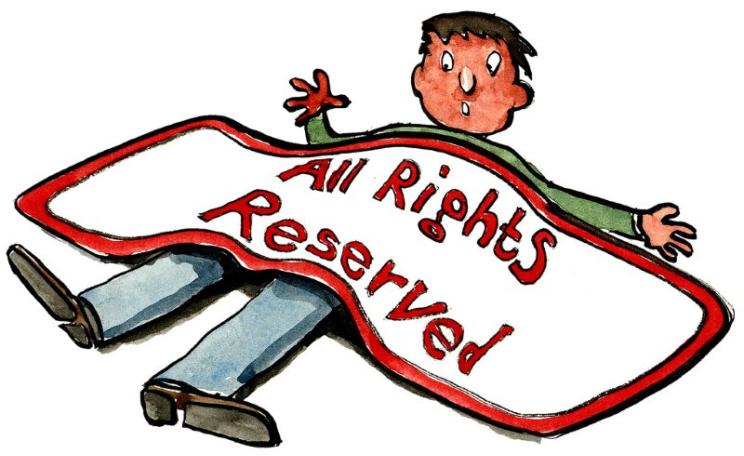
The leaked chapter of the Trans Pacific Partnership chapter on intellectual property represents a wholesale attack on internet freedom, investigative journalism, and the wider creative commons, writes Jeremy Malcolm. While massively advancing corporate financial interests in binding clauses, the parts that purport to protect information users are soft guidelines that cannot be enforced.
The UK's official agency for car pollution testing has taken £80 million from the auto industry in ten years, a Greenpeace investigation reveals, while its senior staff and engineers have a 'revolving door' relationship with car makers.
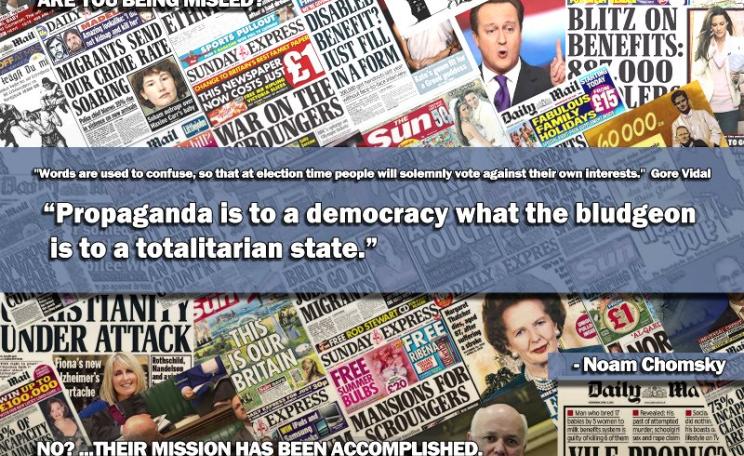
A handful of 'climate sceptic' billionaires, owners of most of the UK's biggest selling newspapers, have used their media dominance to spread a false narrative on climate change, and undermine prospects for effective action to curb fossil fuels, writes Donnachadh McCarthy. Campaigners must fight back - beginning with a series of actions that begin outside the Daily Mail this month.
Chile's announcement of a 630,000 sq.km marine protected area around Easter Island is altogether welcome, writes Callum Roberts. It forms part of a trend of very large marine reserve declarations that will play a vital role in preserving endangered fish stocks and vital oceanic biodiversity.
The demand for ever more air travel and new runways comes from a small minority of frequent flyers, writes Keith Taylor - the 15% who take 70% of flights. So we can reduce that demand with a frequent flyer tax - while making it cheaper for ordinary families to enjoy an annual holiday abroad.
Disastrous water pollution from gold mines in El Salvador has united government and people to oppose new metal mines, writes Lynn Holland. In Central America's most water scarce country, the imperative is to keep lakes, rivers and streams clean and wholesome. But there may be a heavy price to pay, with a Canadian mining company pressing a $300 million 'compensation' claim.
The US's development of its new 'smart' nuclear bomb, the B61-12, is an outright violation of the Non Proliferation Treaty, writes Xanthe Hall. Yet five other 'non-nuclear' NATO nations - Germany, Holland, Belgium, Italy and Turkey - are set to accept it onto their territories, so their own aircraft can use it in nuclear attacks.