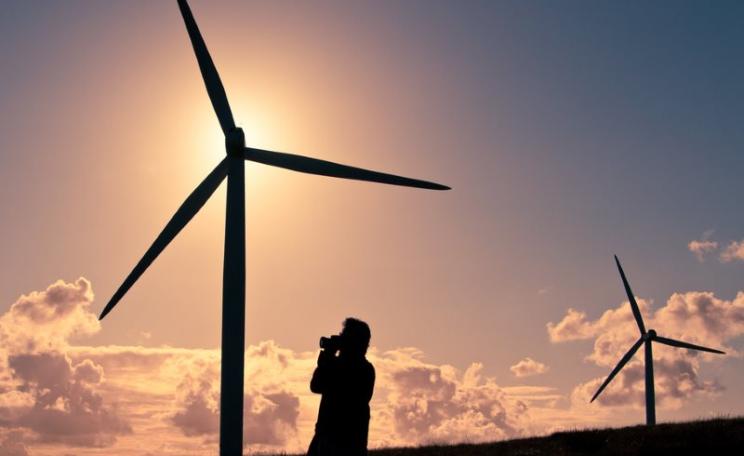
The effect of wind and solar generation in the UK is to push down wholesale power prices, writes Oliver Tickell, taking over £1.5 billion off our bills in 2014 - that's 58% of the subsidies paid to renewable generators. Keep it up and the benefit will rise to over 100% of cost.
The love affair of the 'pro-nuclear greens' with a failed technology has paved the way to the UK's destruction of its renewable energy industry, writes Jonathon Porritt, and to the imminent deal with Chinese parastatal corporations to build a new fleet of already obsolete nuclear power plants at massive cost to us all.
China's smog is an increasing cause of public discontent, writes Oliver Wild - and no wonder! New research shows that the country's air pollution is killing over a million people every year. Thanks to China's geography the problem is hard to solve, but the rapid rise of renewables and the slow demise of coal do offer the promise of cleaner, healthier future.
Something important just happened at Cornell's Alliance for Science, writes Steven M. Druker. Long known as a keen promoter of genetic engineering, the organization has experienced a profound change of direction. Its new director, Sarah Davidson Evanega, has opened an inclusive scientific dialogue on the safety of GMO crops. Who says it's all 'over'?
Evidence stretching back 40,000 years shows that global warming will increase drying in a region of East Africa where drought already causes humanitarian crises, writes Alex Kirby - dashing earlier hopes of increased rainfall.
It may not be on tonight's telly, but there's only one story on the lips of SNP members at their party's conference in Aberdeen, writes Jen Stout - the grassroots revolt against the feeble land reform bill advanced by the party leadership, rejected outright by members in a decisive vote. Now the SNP must come up with a bill that's as 'radical' as Nicola Sturgeon's speeches.
It sounds like a modest ambition: France wants to raise the amount of carbon in its soils by 0.4% a year, writes John Quinton. But that represents a vast amount of carbon, and its capture into soils will bring a host of other benefits. We should all get with the program!
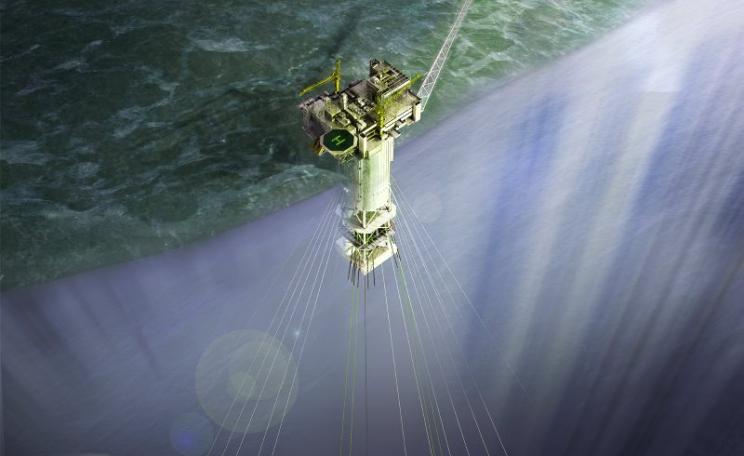
Large-scale oil extraction in the Arctic is irreconcilable with the 2C global warming limit, write Aleksander Melli, Pål W. Lorentzen, Mari Seilskjær, Hans Morten Haugen & Truls Gulowsen. And that puts Norway's dash to develop Arctic oil into direct conflict with its Constitution, which requires the state to try and secure climate stability for its citizens, present and future. A lawsuit is imminent.
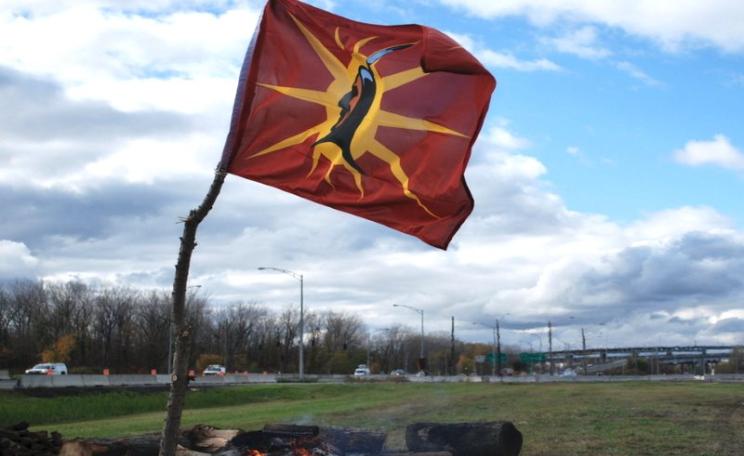
Members of the Mohawk Warrior Society have intervened to stop the dumping of raw sewage in Canada's St Lawrence river, lighting a large bonfire at a key railway junction to warn Montreal's Mayor off his plan.
Fuel poverty is a complex problem with many causes, writes Mari Martiskainen, but it is also a deadly one for some 25,000 thousand people every year. And there is one surprisingly simple solution: a huge upgrade in the energy efficiency of our housing stock.
Rewilding landscapes impoverished by human exploitation enriches nature and brings back life to an increasingly ravaged world, writes Jessica Rothwell. But more than that, it's a vital step in making human existence sustainable in the long term, depending as we do on our planet's functional ecosystems for our health and survival. It's time for people to pull back - and make space for the wild.
It was a remarkable spectacle, writes Damian Kahya: MPs trying to get straight answers out of VW's top man in the UK over the 'dieselgate' scandal. Of course our cars gave false test results. But who would ever believe those stupid tests anyway? How many people died from all the extra pollution? None! There was no pollution!
Fewer than half the UK's inhabitants even have a driving licence, writes Chris Church. So how come the UK's transport policies are all about meeting the needs of drivers? After all, even drivers are pedestrians the moment they step out of their cars. Now a new campaign group is forming to give a voice to non-drivers - and demand a better deal.
The UK government is punishing renewable energy for its success in generating 25% of the country's electricity, writes Stuart Parkinson. But there's no austerity when it comes to the bloated military-nuclear industrial sector, no matter how egregious its failures or extreme its cost overruns. Our future prosperity is being sacrificed - and its costing taxpayers billions.
Wild flower margins around arable fields can funnel deadly pesticides into the bees, wild pollinators and other insects they are intended to benefit, writes Oliver Tickell. Neonic pesticides are often far more concentrated in the wild flowers than in the crop itself.