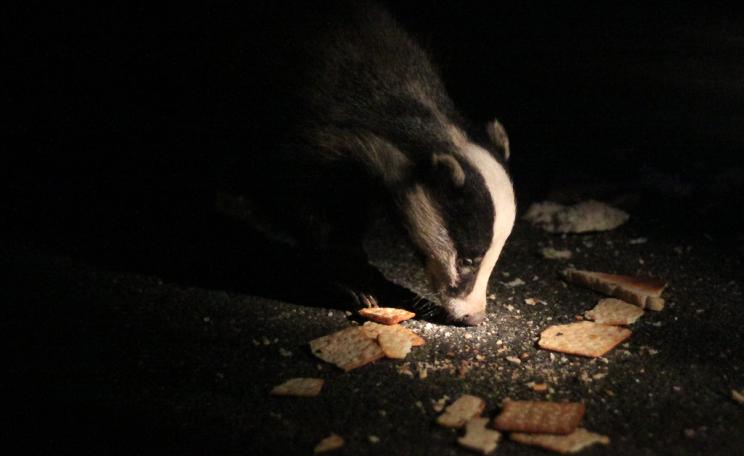
The Government has refused to publish its report on the cost effectiveness of England's badger cull because it is 'still in draft form'. Campaigners say the real reason is that it reveals the cull to be cruel, ineffective and incredibly expensive.
Resistance is growing in Todos Santos, Baja California, to a tourism and University campus mega-development of 4,500 homes that claims to be 'free range and locally sourced', writes Viviane Mahieux. It has already grossly disfigured one of Mexico most gorgeous beaches, while locals fear it will drain their aquifers and obliterate a harmonious community.
A new paradigm of forest conservation is gaining ground, writes Isaac Rojas: 'financialising' them and the climate and ecological services they provide to global investors. But this is a false solution - and one that excludes the local and indigenous forest communities who can truly be relied upon to sustain their sylvan heritage.
The European Parliament voted this week to regulate nano-materials in the pending EU law on novel foods, write Jaydee Hanson & Evan Bromfield. But no such moves are taking place in the US. Let's make this the last time our children are exposed to these hazardous substances in their Halloween candy!
An analysis of power prices in the US state of Pennsylvania shows that if solar power increased from the 0.1% of electricity it supplies now, to 5%, then all customers would save $25 a year. Far from 'net metering' for solar being a 'burden' as utilities claim, it makes money for them, and their customers!
Another week, another renewable energy cut. This time George Osborne is swinging the axe at tax breaks for community renewable energy schemes, writes Aisha Gani - even though previous cuts have already made 90% of projects unviable.
There's been a big fuss about the 'ISDS' clauses in the TTIP trade deal that would allow US corporations to sue the EU and its member states for 'lost profits', writes Maude Barlow. But ISDS is already in CETA, the already negotiated EU-Canada trade deal - and nothing would be easier than for US companies to use it as their 'back door'. We must make sure CETA is rejected at its final hurdle.
The UK dairy industry is in crisis, writes Megan Perry, with falling prices forcing many farmers out of business. Smaller, more sustainable farms have been the worst casualties, while the large, intensive producers survive. We must ditch market-driven 'survival of the fittest' attitudes - and recognise both the real costs of intensification, and the true value of traditional farming.
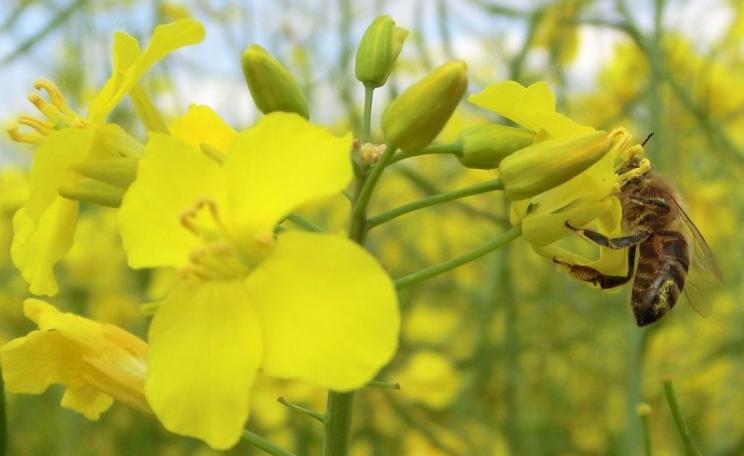
The EU's decision to authorise a new 'neonic' pesticide knowing it was highly toxic to bees has been challenged in the European Court. A similar permit granted to sulfoxaflor in the US has already been struck down by a federal court.
Last week's Bonn negotiations saw the world move closer to a climate agreement at COP21 in Paris, writes Ruth Davis. The current text includes important proposals on climate finance; accelerated decarbonisation of the global economy; and a 5-year cycle of ever higher national emissions targets.
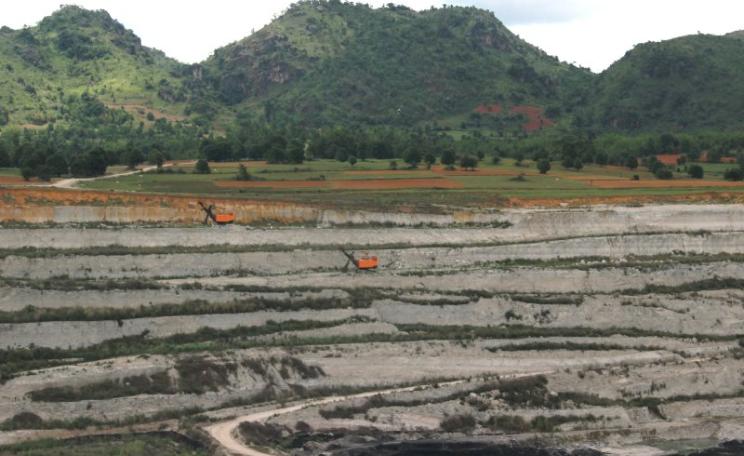
The president of Burma has decided that coal is the way to future wealth and prosperity, write Carole Oudot & Matthieu Baudey. But if the experiences of farmers and village people near Tigyit, site of the country's biggest coal mine and coal-fired power plant is anything to go by, it will bring only poverty, pollution, ill-health and land grabs to rural communities across the country.
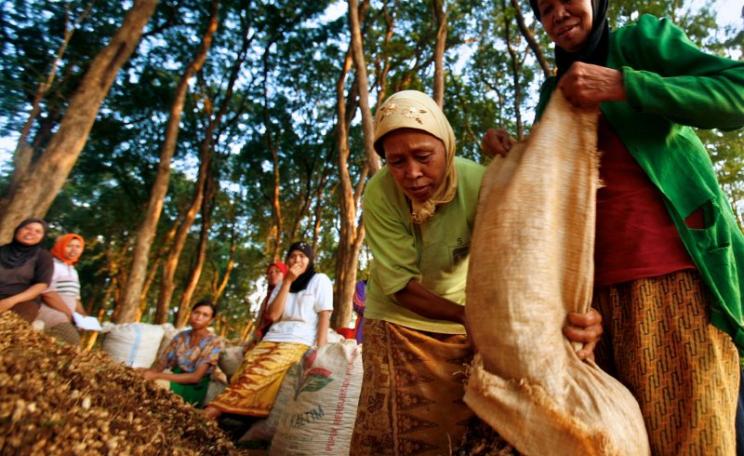
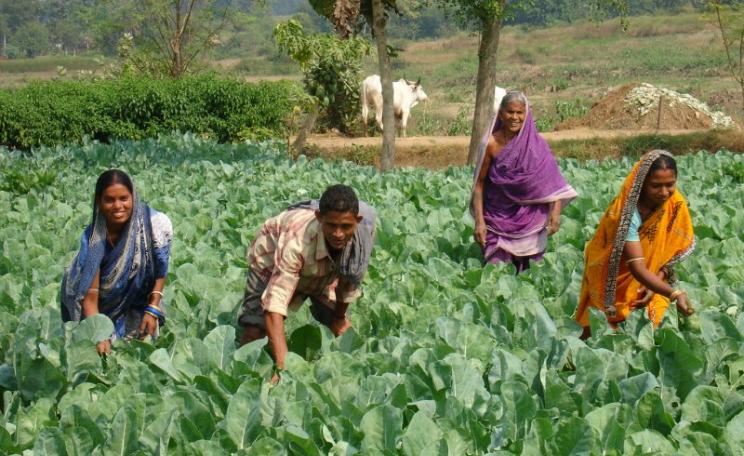
Organic farming produces more nutritious food than chemical agriculture, writes Colin Todhunter, while sustaining soils and building organic matter. And we know this from real, peer-reviewed scientific studies - unlike the pseudo-science touted at us by the self-interested advocates of industrial agribusiness.
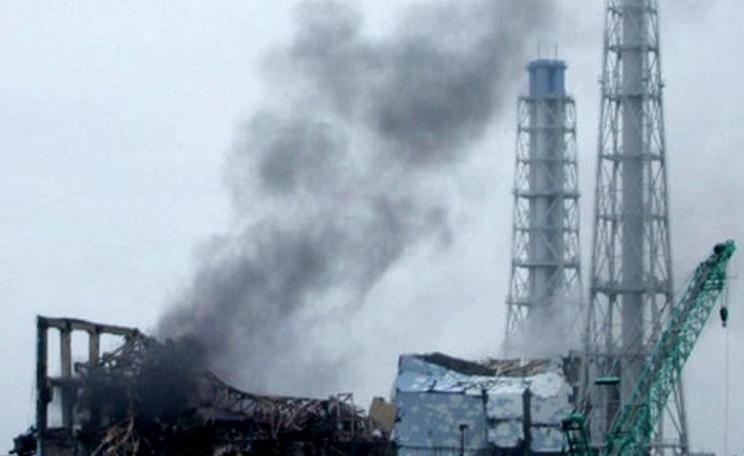
China's plans for 400 nuclear reactors threaten global catastrophe, writes Oliver Tickell. In the normal way of things we could expect major accidents every few years, but with 300 reactors along China's seismically active coast, a major tsunami would be a Fukushima on steroids - wiping out much of China and contaminating the whole planet.
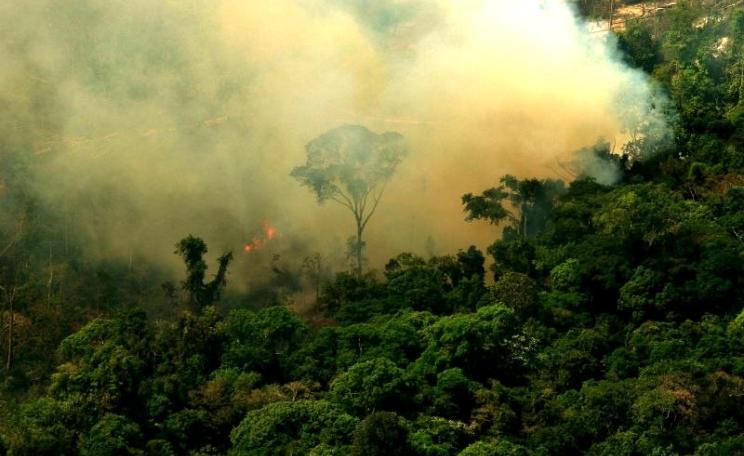
Deep in the Brazilian Amazon indigenous people have been protecting their reserve from illegal loggers, writes Luana Lila. The loggers took their revenge by kindling one of the Amazon's biggest fires ever, destroying almost 200,000 hectares of rainforest.