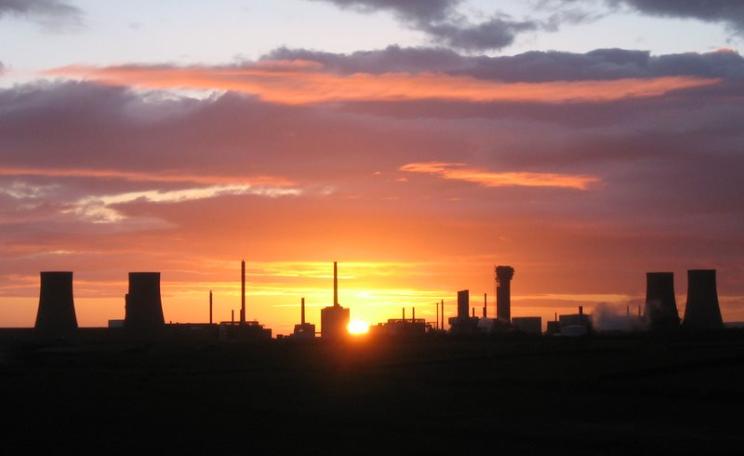
To explain their desperation to commit an estimated £76 billion of public money to the Hinkley C nuclear project, writes Paul Dorfman, the Treasury and its Chancellor, George Osborne, claim there are other benefits that justify this vast expenditure. So what exactly are they? And do the claims survive critical examination?
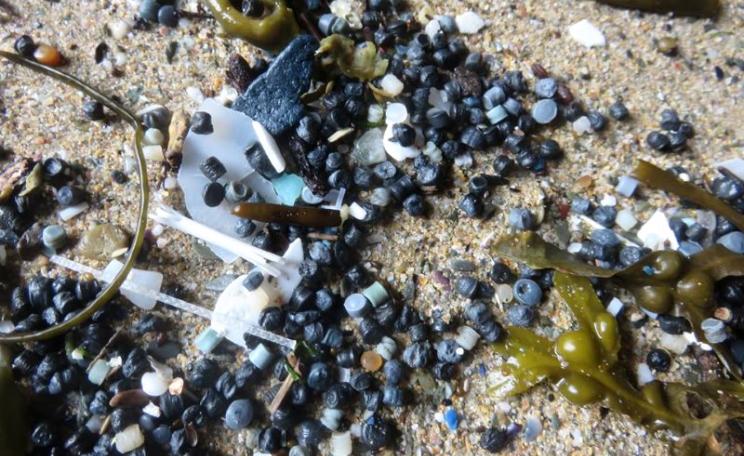
Cornish beaches are awash with millions of 'nurdles', tiny wildlife-choking plastic pellets presumed spilled from an rogue shipping container. As England's plastic bag charge comes into force, it's a sign that there's still a long way to go to rid our seas of the plastic menace.
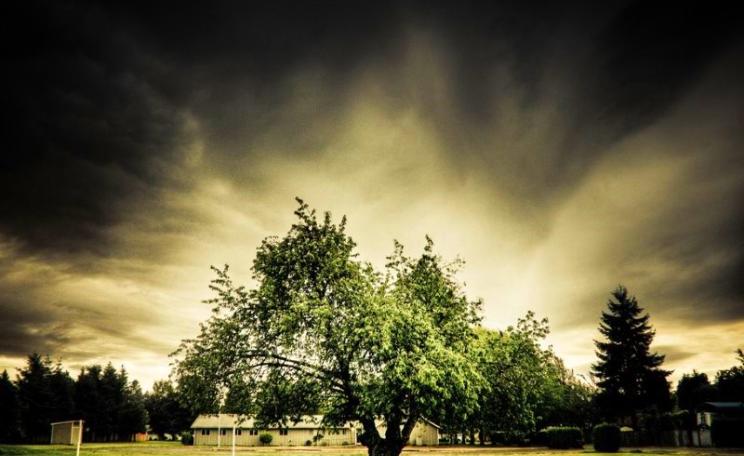
The finance industry faces a 'wicked' problem, says Mark Carney, Governor of the Bank of England. Climate change creates risks that threaten the financial system to its foundations - but on a timescale beyond the usual horizon for investment decisions. The only way to reduce those risks is to act with unusual foresight - and avoid abrupt and destabilising transitions.
Peru is in hot competition with Brazil to be the main focus of Amazonian deforestation, writes Clément Doleac. A neoliberal government desperate to hand over the country's forests, oil, gas, minerals and indigenous lands for corporate exploitation is unafraid to break national laws, turn a blind eye to air and water pollution, and respond to any challenges with overwhelming violence.
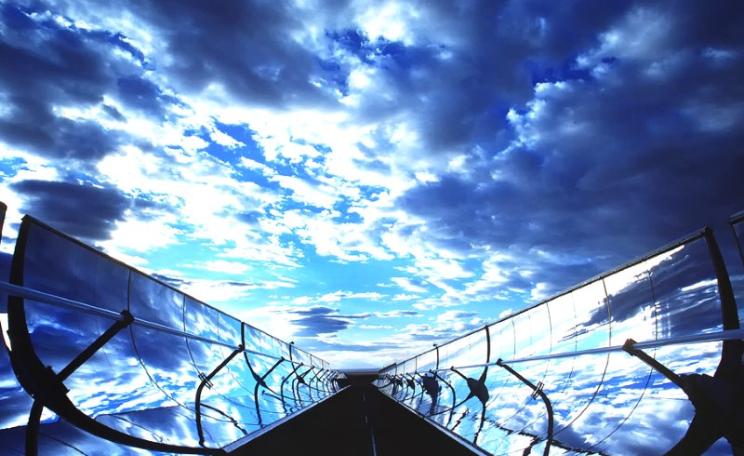
The government has an opportunity to show real leadership on energy and climate change this week, writes Richard Layard - by making the UK the first country to sign up to a global research effort to replace fossil fuels with renewables as the world's primary power source.
Under new planning rules, Travellers and Gypsies must be able to prove they are actually traveling to qualify for limited planning benefits to create new sites. But for many, it's impossible to do that. Not only to remain in employment, or education - but precisely because there are so few sites, that they are unable to travel.
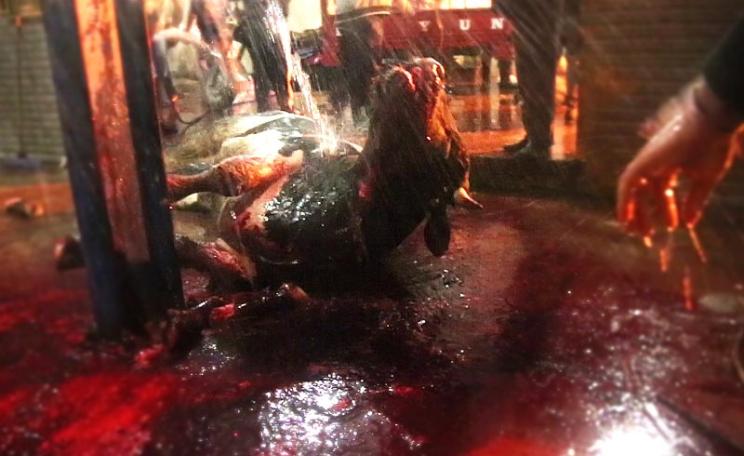
The EU's long-distance trade in live cattle to the Middle East inflicts horrendous cruelty at every point from farm to slaughter, writes Peter Stevenson, as well as posing public health risks due to grossly insanitary conditions. Live animal exports for meat should be stopped and replaced with a humane trade in refrigerated meat and carcasses.
Just as George Osborne is hoping to get China to invest billions in EDF's Hinkley C nuclear plant in Somerset, news from EDF's Flamanville nuclear site threatens to sink the project. French regulators are to demand another lengthy round of tests on its flawed reactor vessel. And if Flamanville isn't working by 2020, £17 billion of UK finance guarantees for Hinkley C will collapse.
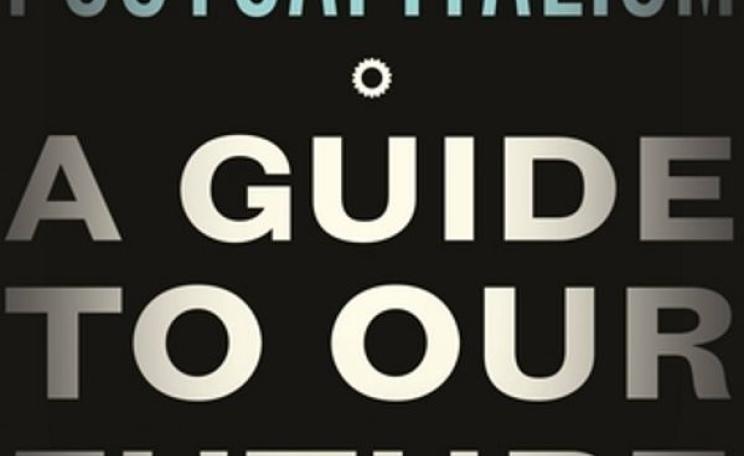
Will we ever be able to say goodbye to capitalism? In his new book Paul Mason argues that its demise is inevitable, writes Caroline Lucas: neoliberalism contains the seeds of its own destruction, and it's up to ordinary people to replace it with a green, sustainable and cooperative society. So let's do it!
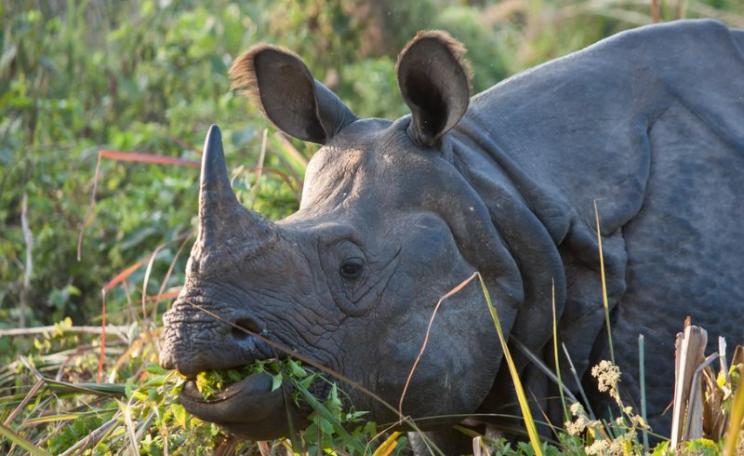
Two of Asia's three rhino species are 'critically endangered', writes David Tosh, yet the lion's share of rhino conservation resources is lavished on Africa. The reason is simple: Africa's rhinos generate more cash from tourism. But should this really be the point?
Fifteen EU states have now joined the GM-free movement as the 3rd October deadline for registration nears, along with four regions. They collectively account for 65% of the EU's arable cropland, and 65% of its population, and Greenpeace expects more to sign up.
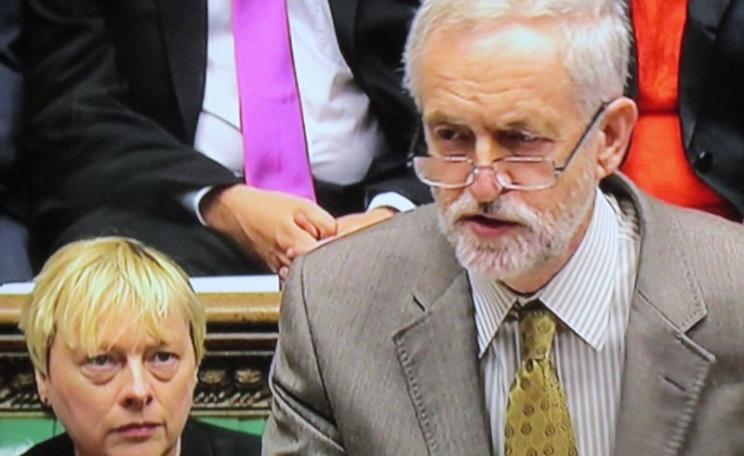
This week's Labour conference sent the party and its new leader, Jeremy Corbyn, soaring in popularity. So better get the knife in quick, writes Oliver Tickell. His refusal to commit mass murder in a nuclear attack gave his enemies just the cue they needed - including those who should be his loyal allies. We must not let them succeed.
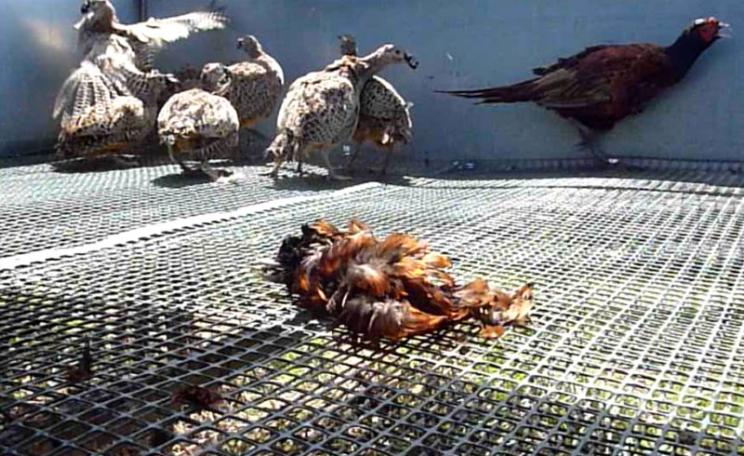
This is the first day of the pheasant shooting season, writes Toni Shephard. But put bucolic ideas of happy birds running around in the wild woods out of your mind. Most of the birds coming under shotgun fire today have only just been released from overcrowded factory farms. Even in death they have no dignity: most are not even eaten, but end up dumped in makeshift pits.
There are two rules about the end costs of nuclear power, writes Ian Fairlie. It's far more than you ever knew. And whatever sum of money was ever set aside, it's nowhere near enough. Germany understands this. That's why it refused to let E.ON spin off its nuclear liabilities into a hands-off company. But the UK, it seems, has lost the ability to learn from its nuclear mistakes.
With the deadline for EU countries who wish to ban genetically GM crops drawing near, writes Oliver Tickell, Poland is the latest to register with the European Commission to go GM-free. Now the division of the EU into pro and anti-GM zones may test the single market beyond its limits.