The US's Nuclear Regulatory Commission just cancelled its study into cancer near nuclear plants citing the 'excessive cost' of $8 million, writes Chris Busby. Of course that's rubbish - similar studies in the UK have been carried out for as little as £600 per site, and in any case $8 million is small change for the NRC. The real reason is to suppress the unavoidable conclusion: nuclear power kills.
UK support for low-carbon energy technologies is running at £250 million a year, writes Chris Goodall. Yet the government wants to throw four times more, every year for 35 years, at the Hinkley C nuclear power station, that could take almost as long to build as Salisbury Cathedral.
Scientists warn that burning up the planet's remaining fossil fuel would cause all Antarctic ice to melt and lead to 58m of sea level rise over 10,000 years, writes Tim Radford. But devastating impacts would strike much sooner, with oceans rising by 3m a century for the next millennium.
Forty years ago Monsanto carried out detailed studies of glyphosate and Roundup toxicity, write Richard Gale & Gary Null. But they have remained buried in filing cabinets ever since. Now a determined scientist has breached the wall of secrecy - and all the evidence is that Monsanto knew just how toxic its products were all along, while claiming they were 'safe as lemonade'.
New proposals on land reform in Scotland are a mixed bag, writes Craig Bayne: some good, some bad, and some downright ugly. Leading that last category is the failure to tackle offshore land ownership in tax haven shell companies, and force disclosure of the real landowners.
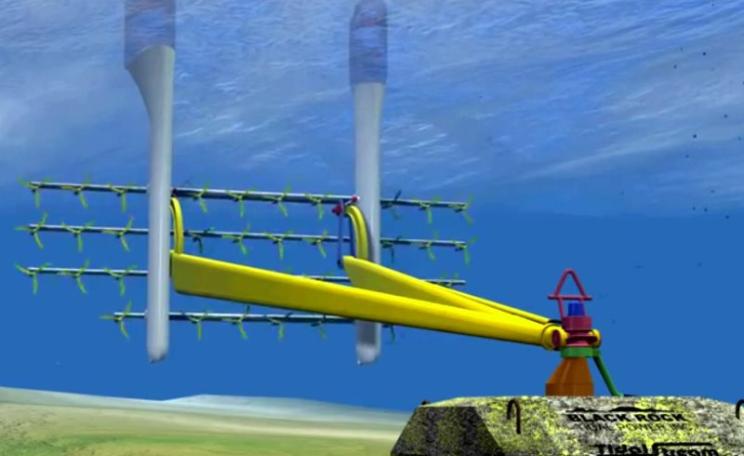
Tides in the UK's coastal waters could be generating 10GW of clean power, representing half of Europe's tidal resource, writes Ross Jennings. So far it's going unexploited, but a new generation of lightweight, low cast tidal turbines that float off the surface could soon get that electricity into our homes and businesses.
At least a third of the food the world grows each year goes to waste, writes John Mandyck, most of it in fields, transport and storage. The result is poor farmers, hungry people, and a massive 3.3 billion tonnes of needless CO2 emissions. It should be a key topic for action at COP21 in Paris - but so far it's not even on the agenda.
The EU Court has made a landmark judgement we should all be glad of, writes Tess Crean, firming up our right to know when products contain chemicals known to be seriously damaging to health. Now we must make sure that reluctant regulators step up to the mark.
Taxpayer-financed development banks have lent €500 million to Ukraine's biggest agribusiness company so it can undercut EU chicken producers, writes Fidanka Bacheva McGrath - while polluting the environment and grabbing land from local farmers.
Longer than England, almost as deep as the Grand Canyon, Russia's Lake Baikal is one of the world's greatest aquatic wonders, writes Bryce Stewart. But it's a fragile paradise: the limpid waters are warming much faster than the global average, with as yet unknown effects on its ecology. And it faces the danger of a huge dam on its principal tributary, Mongolia's Selenga River.
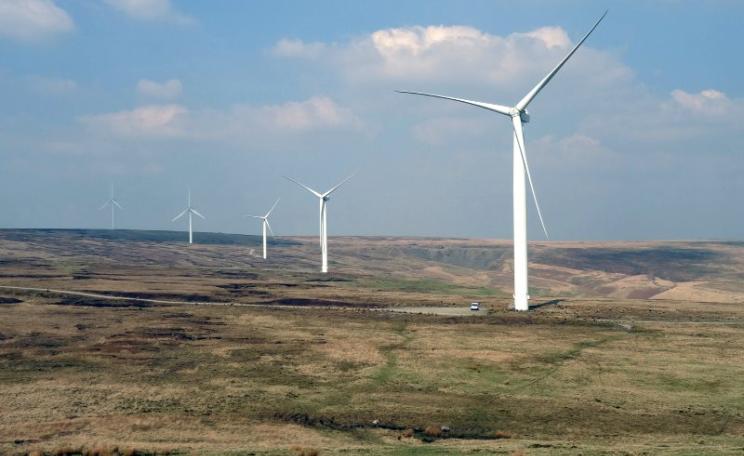
A new report by accountancy giant EY says the UK's Conservative government has sentenced renewable energy sector to 'death by a thousand cuts', writes Emma Howard, and left investors puzzled at inexplicable policy changes.
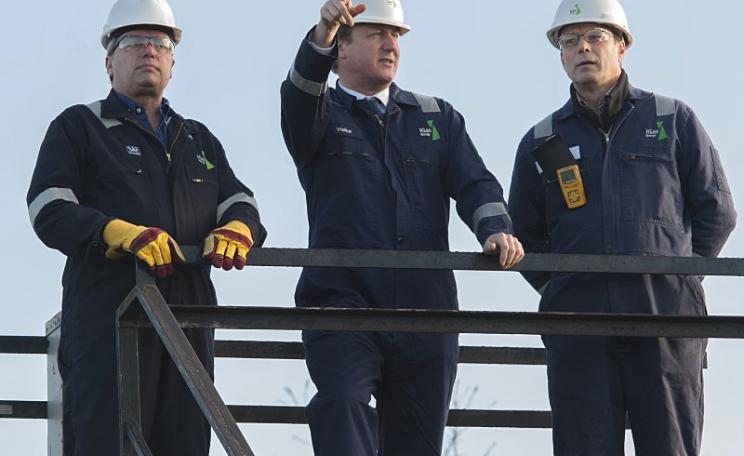
A new report on fracking and climate change from the Task Force on Shale gas presents a rosy picture of the fuel's role as a climate-friendly 'bridge' to a renewable energy future, writes Oliver Tickell. But the truth is the precise opposite - it's a climate disaster that will only delay the arrival of clean energy.
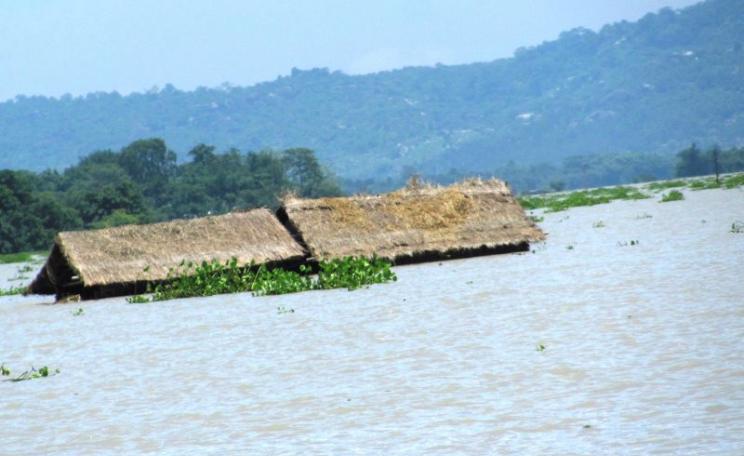
India's tea capital, Assam, has been hit by devastating floods for the second time in three years, writes Sneha Krishnan. But the government has failed to address key environmental issues like deforestation and soil conservation, or involve local communities in developing solutions. So ever more fertile land is lost to erosion, and millions of the country's poorest people suffer.
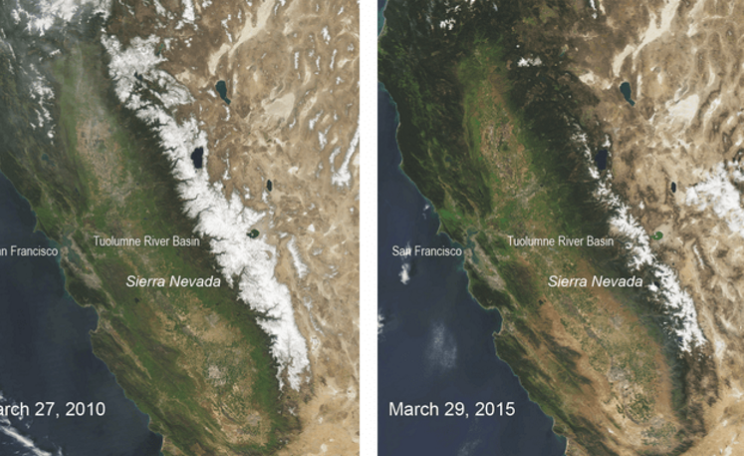
The lack of snow in California's Sierra Nevada is historically unprecedented, write Valerie Trouet & Soumaya Belmecheri. It's also seriously bad news for the state's water supplies - and may be an indicator of even worse to come in a warming world.
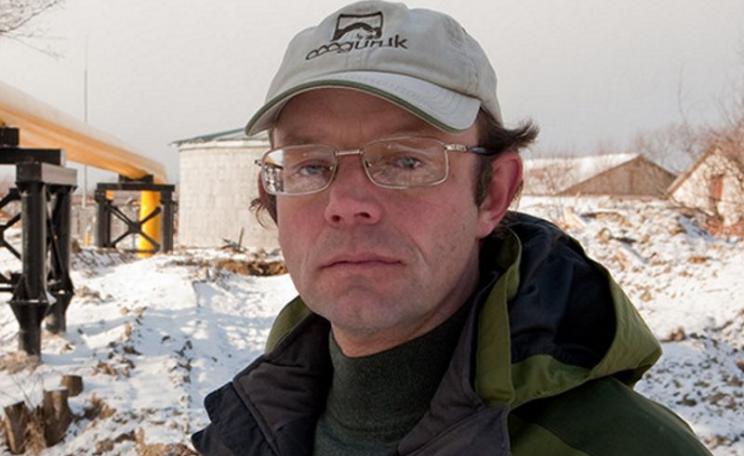
The respected Russian campaign group Sakhalin Environment Watch is being forced to choose between registering as a 'foreign agent' label and closing down, writes Oliver Tickell. Environmental campaigning, it seems, is now a 'political activity'.