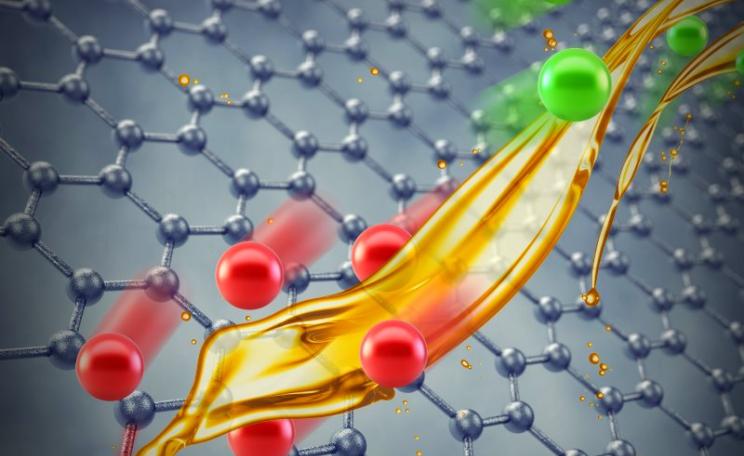
A new generation of energy storage devices is on its way, writes Mark Douthwaite: small, lightweight, efficient, long lived. Just what we need to unleash the potential of renewable energy, electric cars and a decentralised power grid. And it's all thanks to graphene.
EDF has indefinitely postponed its Hinkley C nuclear plant in Somerset, England, as a new IEA analysis shows that its power will cost UK energy users three times more than it should, writes Oliver Tickell. A similar reactor in France is running six years late and three times over budget - and may never be completed.
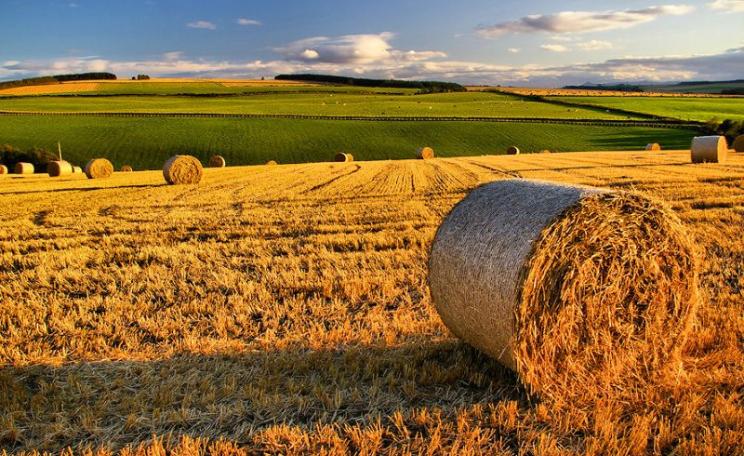
Scotland's decision to maintain its GM-free status is in the best interests of the country, its people and its farmers, 30 scientists write to Rural Affairs Secretary Richard Lochhead. It is abundantly justified by the scientific evidence and will support the sustainable, agroecological farming systems of the future.
Indonesia's murderous campaign of military repression in its stolen territory of West Papua continues, writes Jason MacLeod. But a courageous 50-year struggle for human rights and freedom is finally bearing fruit, with growing recognition of West Papua's right to nationhood among its Pacific neighbours. Real hopes of a better future are rising above the blood and pain.
It's tough being a filmmaker on the front line of environmental defense, writes David Lavallee - challenging corporate control of the Earth's resources, not to mention governments and security services, all of them intent on extracting every last drop of oil and gas from the world's most pristine places. All the more so when holding a camera makes you an instant 'eco-terrorist'.
Promises made by governments to cut their greenhouse emissions come nowhere near stopping global warming rising above the 2C danger level, writes Alex Kirby. And in many cases the laws and policies needed to deliver them are absent.
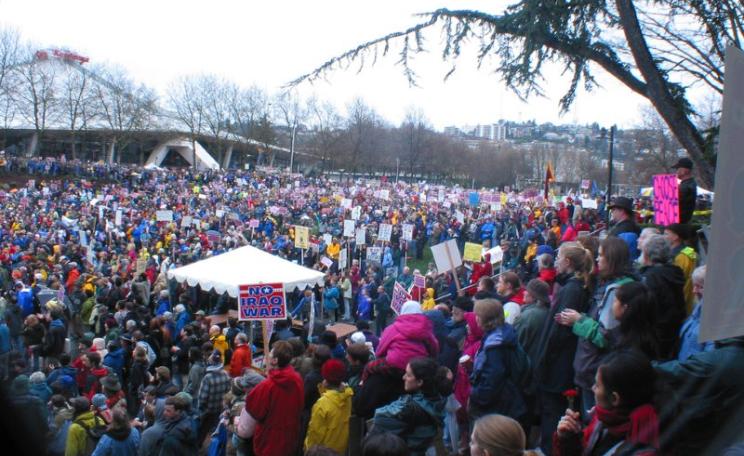
Supporters of the Iraq War dominate the UK's public institutions, despite its dismal failure. Why? Because it's the touchstone for adherence to the neo-liberal consensus and all its dogmas, writes Craig Murray, from TTIP to austerity and the corporate takeover of public services. But now, with the rise of Corbyn and the SNP, the deep state is finally facing a real challenge.
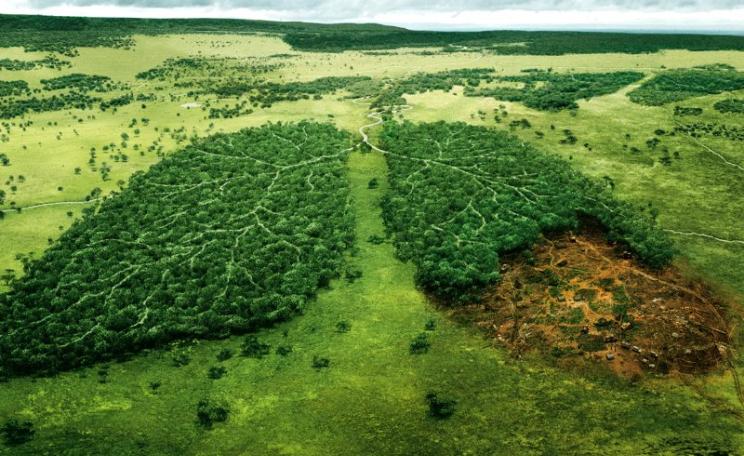
Isn't three trillion trees enough to keep our planet healthy? It sounds like a lot, writes James Dyke, but they are under threat as never before, from deliberate deforestation and climate change. Many of the 1.5 billion trees we are losing a year are in the last great rainforests - key ecosystems under threat of drying out forever under our escalating double onslaught.
Following scientific confirmation of the severe hazards to health caused by residues of glyphosate weed killers in food, the Soil Association is calling on bakers and retailers to stop 'pre-harvest' spraying on arable crops. The SA's Peter Melchett just sent out this letter - adapt as necessary and send to retailers, bakers, makers of cereals, pasta, biscuits and others.
The Garden Bridge will offer a new kind of green space in the heart of the city, strengthening London's status as the greenest capital in Europe, writes Bee Emmott. It will benefit the health and wellbeing of local communities and visitors alike.
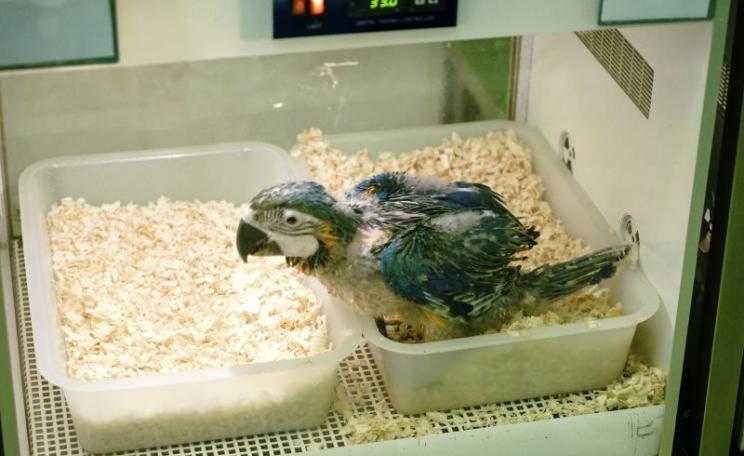
The international pet trade presents itself as responsible and conservation-aware, writes Clifford Warwick - and a key part of the message is the idea that its animals are captive bred. But the truth is very different. Quite apart from the routine cruelty and high mortality, the trade continues to depend on captive wild animals and contributes only negatively to wildlife survival.
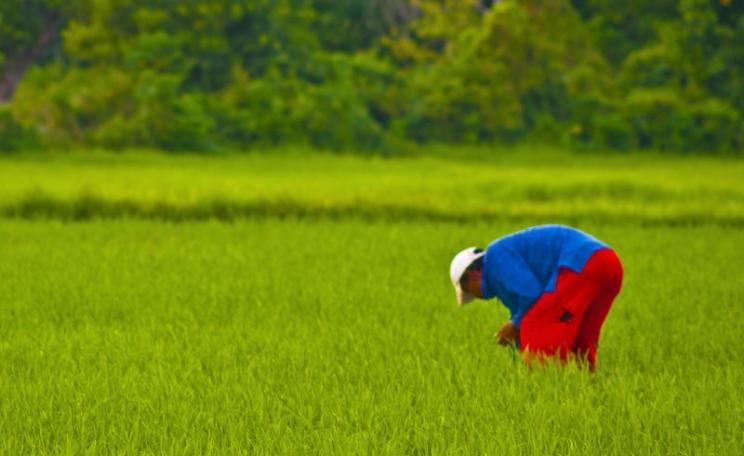
Golden rice was once hailed as the wonder crop that 'could save a million kids year', writes Glenn Stone. But in the 15 years since that bold prediction, the carotene enhanced GMO has been held back by persistent 'yield drag' and inconclusive nutrition outcomes. It now appears unlikely ever to fulfill its early promise.
Guarani man Semião Vilhalva was murdered by ranchers' gunmen last weekend after his community reoccupied parts of their ancestral land from ranchers. Thousands of Guarani Indians holding on to tiny patches of their ancestral land are living in constant fear of forcible eviction.
For 25 years, a group of eco-aware surfers have been campaigning for cleaner waves, writes Summer Brooks. SAS was founded in 1990 to tackle sewage discharges into UK coastal waters, and now, bigger and stronger than ever, they are turning their focus to the global problem of ocean plastic - both picking it up on our beaches, and pushing for long term, global solutions.
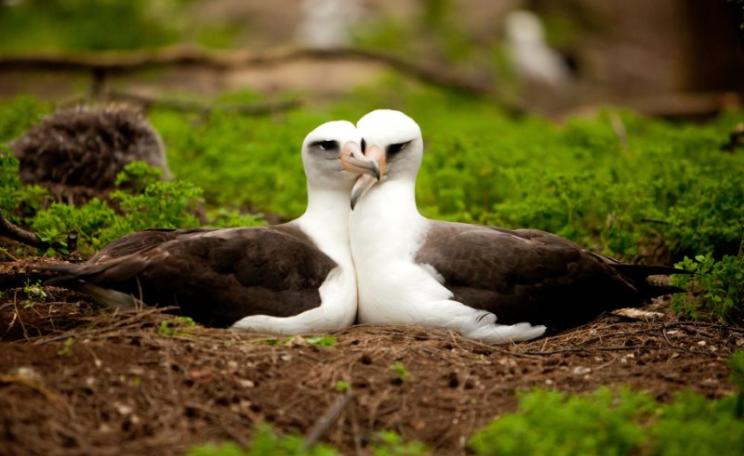
Already 60% of seabird species have plastic in their guts, often as much as 8% of their body weight. And with ocean plastic increasing exponentially, that figure will rise to 99% by 2050, threatening some birds' survival. Unless we act.