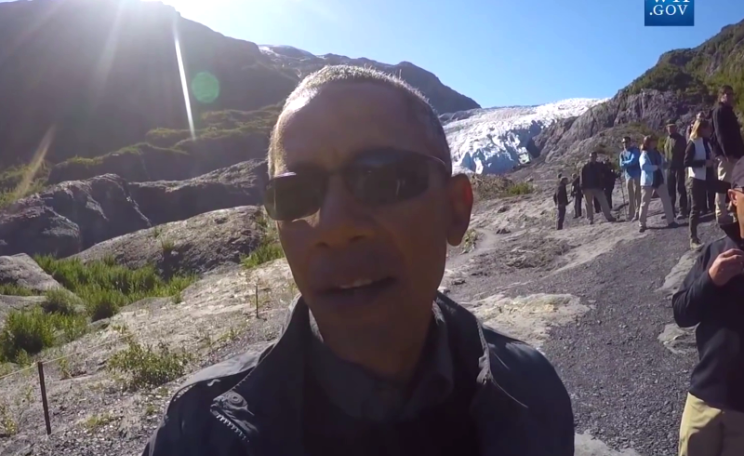
President Obama's whistlestop Alaskan tour highlighted his unique ability to believe in two completely contradictory ideas at once, writes Timothy Clark. On the one hand, the importance of climate change and the urgency of preventing dangerous warming. On the other, the importance of the Arctic's fossil energy and the urgent need to exploit it as rapidly and completely as possible.
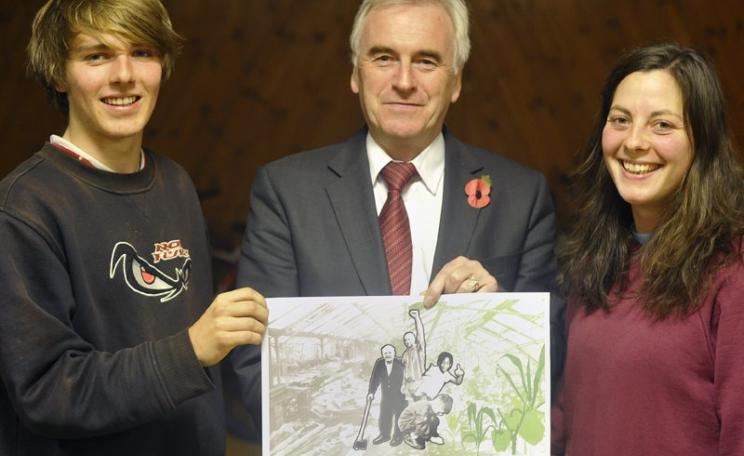
Jeremy's Corbyn's appointment of John McDonnell as shadow Chancellor was bold, provocative and absolutely correct, writes Donnachadh McCarthy. As well as being Corbyn's firm political ally, McDonnell understands the nature and scale of the challenge that he faces as he confronts the corrupt nexus of political and economic power in modern Britain.
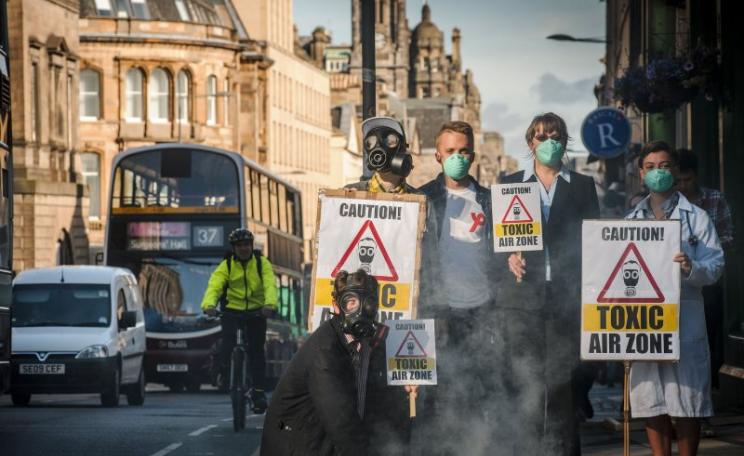
The UK government's response to the Supreme Court's order to clean up air quality in key urban areas has been condemened as vague, weak and slow, lacking in clear targets and compulsory measures. New figures reveal that over 50,000 people a year are being killed by air pollution.
Worried about debt, defaults and deficits? Save up your concern for the real problem, writes Glen Barry. The systematic destruction Earth's natural ecosystems for short-term profit is the 'bubble' that underlies economic growth - and if allowed to continue its bursting will leave the Earth in a state of social, economic and ecological collapse.
The fight against TTIP is being picked up by local authorities across the UK and other EU countries, writes Kevin Smith. Even Brussels - where the European Commission has been negotiating the deal with its US counterparts - has joined the movement. And now, with the election of the anti-TTIP MP Jeremy Corbyn's as Labour Leader, it's time to drive the message all the way home.
The magnitude of Corbyn's victory today represents an irreversible seismic shift in British politics, writes Oliver Tickell. Finally the Tories face serious, principled opposition that will reveal them as the far-right ideologues they truly are. The reverberations will echo far, wide, long and deep, including to the US where the socialist Bernie Sanders is well on his way to winning the Democratic nomination.
Labour's new candidate for London Mayor has taken a firm stand against Heathrow expansion, write Victor Anderson & Rupert Read. But he's all for it at Gatwick - never mind the climate change. For those who oppose new runways on principle, there's only one choice: The Greens' Sian Berry.
Doctors have been told to limit their use of antibiotics to limit the spread of microbial drug resistance, writes Emma Rose. But 40% of the UK's antibiotics are used on farms, of which 85% is fed to disease-free animals. We can no longer ignore the massive agricultural overuse of the drugs, now a major driver of antibiotic resistant infections.
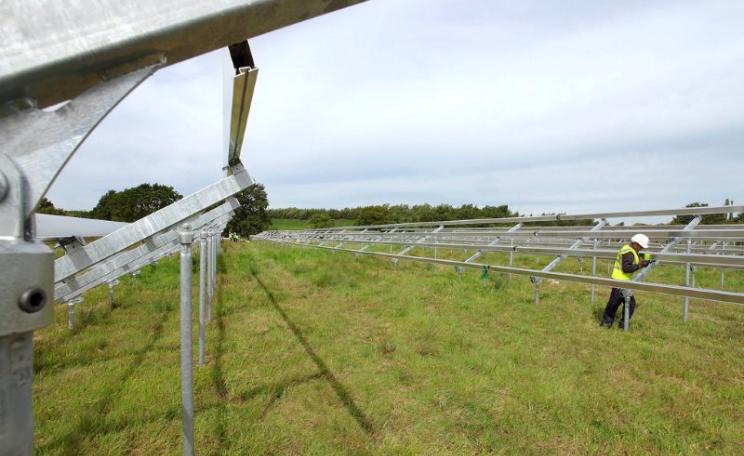
A stones throw from where Cuadrilla lost its bid to develop a fracking operation in Lancashire, a solar farm has just won planning permission with widespread local support, writes Ben Lucas. However a 194-turbine offshore wind farm near the Isle of Wight has been refused planning consent.
British Prime Minister David Cameron is receiving Israel's Benjamin Netenyahu into his Downing Street home just as Israel embarks on its ethnic cleansing of the Negev, writes Alia Al Ghussain. The imminent demolition of the 'unrecognised' Bedouin village of Umm Al Hiran and the eviction of its residents looks like the realization of the 'Prawer Plan' to Judaize the desert.
This year's Community Energy Fortnight is taking place at a strange time, writes Jonathon Porritt, with the entire renewable energy industry under government attack as never before. What can we do about it? For a start, by joining in some of the hundreds of events that are taking place across the UK!
'Unbearably tardy' climate negotiations have ended in failure, writes Henner Weithöner. Without even a draft text at this late stage, the chances of a meaningful deal emerging from the crucial UN summit in Paris are looking paper-thin.
This week Chancellor George Osborne told Parliament that the power from the planned Hinkley C nuclear plant would be cheaper than onshore wind, writes Doug Parr. That could be true on Planet Zog - but here on Earth the reverse is the case. Exactly what are Osborne and his Treasury mandarins smoking?
The well-founded idea that nuclear radiation is dangerous even at the lowest levels is under attack, writes Karl Grossman. Three determined nuclear enthusiasts have filed petitions to the NRC calling on it to apply the doctrine of 'radiation hormesis' - that low levels of radiation actually stimulate the immune system and promote better health. Disagree? You'd better act fast.
For anyone who believes in the ineffable wisdom of 'free' markets, the current sinkaway oil price takes some explaining, writes James Meadway. Saudi Arabia's big gamble that it could put US shale oil out of business by over-pumping has now collided with China's falling demand for energy. Result: oil producers everywhere are swimming in red ink. Where will it all end?