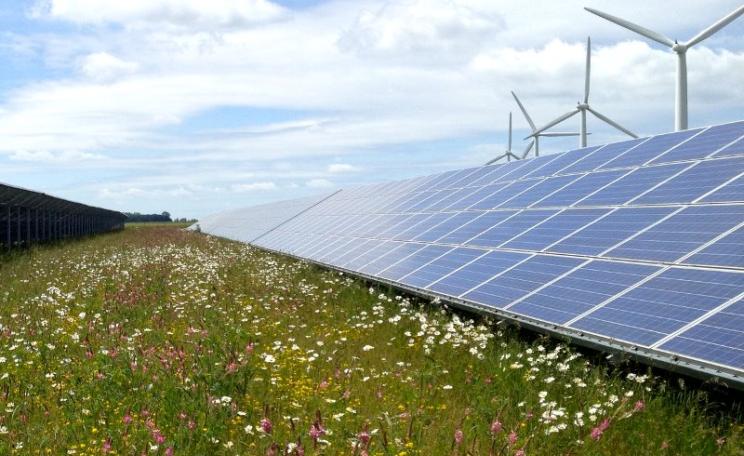
Britain has a huge role in effecting the global energy transition to renewables, new shadow energy secretary Lisa Nandy told the Labour Party Conference. But that will mean a complete reversal of Tory policies to attack wind and solar, lock us into polluting fossil fuels and overpriced nuclear power, and maintain 'big six' profits at consumers' expense.
The biofuels of the future will depend on microbes, writes Almuth Ernsting: algae to produce the biomass, and fungi or bacteria to break cellulose down into useful molecules. Just one problem: wild strains aren't up to the job. So scientists are trying to genetically engineer supercharged 'synthetic biology' variants - which will inevitably enter the environment. What could possibly go wrong?
By keeping marine herbivores in check, predators from sharks to crabs are essential to keep the oceanic 'carbon pump' working - with seaweed and plankton fixing atmospheric carbon and bearing it down to deep waters and sediments before getting munched. It's time to give ocean predators the protection they deserve, for climate's sake.
For the women farmers of Tamil Nadu life has long been a struggle, Sheelu Francis told Tristan Quinn-Thibodeau, all the more so following the advent of 'Green Revolution' industrial agriculture. So now women's collectives are organising to restore traditional foods and farming methods, resulting in lower costs, higher yields, improved nutrition, and a rekindling of native Tamil culture.
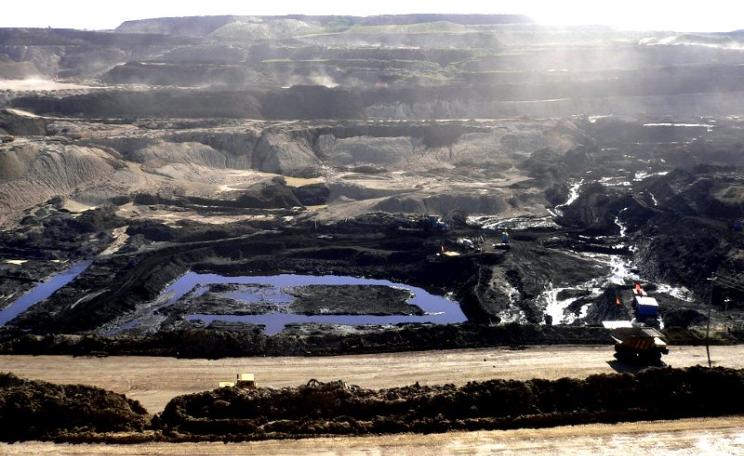
America's coal-fired power plants produce 140 million tons of ash a year, reports Ben Whitford, most of it dumped in open storage ponds that contaminate drinking water with arsenic and heavy metals. And now Presidential candidate Jeb Bush is promising to scrap 'new and costly' (actually feeble) EPA regulations before they have even been implemented.
VW's pollution cheating has caused thousands of premature deaths, write Mike Berners-Lee & Chris Goodall, creating costs that could destroy the company's entire shareholder equity. But this is no 'Black Swan' event. It is an early example of the existential threat to the fossil fuel economy.
Shell's US president says the oil giant's unpopular drilling operations in Alaska's Chukchi Sea will stop for the 'foreseeable future' as exploratory drilling finds little oil and gas to justify its $7 billion investment.
The Sustainable Development Goals are a wish list that few could disagree with, writes Nick Dearden. But the delivery plan is to rely on 'free' markets, corporations and technocratic government - although these 'solutions' are at the root of the problems the SDGs aim to solve.
The orangutans of Southeast Asia make a fantastic symbol of endangered rainforests, writes Liana Chua, rousing public opposition to palm oil companies and their bulldozers. But this story of good versus evil omits the essential human dimension. To save the rainforests and their great apes, we must make forest peoples a key part of the conservation narrative.
Radiation can be carried long distances by marine currents, concentrated in sediments, and carried in sea spray 16km or more inland, writes Tim Deere-Jones. So Fukushima poses a hazard to coastal populations and any who eat produce from their farms. So what are the Japanese Government and IAEA doing? Ignoring the problem, and failing to gather data.
There's a plan afoot in Yemen, writes Martha Mundy, but no one is telling you about it. It's a plan so big that a country of 20 million people has to be starved and bombed into total submission, yet the world is indifferent. Yes, its oil. Lots of oil, and gas too, and lakes of fossil water, all lurking beneath the desert sands of the Arabian peninsula. How do we know? Because they told us.
With all diesel cars failing EU clean air standards in real world driving, and the worst 22 times over the limit, there's only one real solution, write Steffen Böhm & Ian Colbeck: adopt sustainable transport strategies to keep cars off our streets and break our dependence on them.
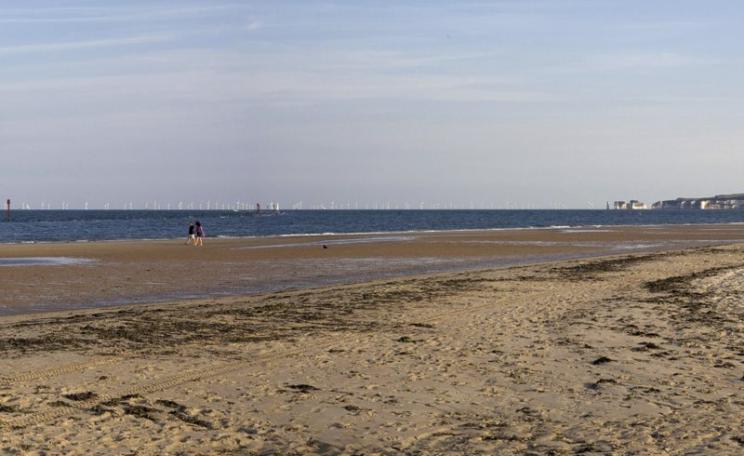
The government's decision to turn down the 1GW Navitus Bay offshore wind farm near the Isle of Wight sends a chilling message to developers: 'don't waste your time and money here!' The refusal of planning permission based on visual impact to a geological world heritage area is capricious and threatens to kill off an industry in which the UK has been - until now - the world leader.
UK local authorities have £14 billion invested in fossil fuels, campaigners revealed today. Now they should re-invest it in solar energy, new housing and other areas that generate local and global benefits - as well as providing better security for pension holders.
There could hardly be a bigger contrast to the UK, writes Dominic Hinde. Sweden is closing airports and nuclear plants, selling off coal mines, spending billions to cut its greenhouse gas emissions, increasing green spending in developing countries, and is determined to lead by example at COP21 in Paris. Will other nations follow the green trail they are blazing?