As World Water Week kicks off in Stockholm today with a theme of 'Water for Development', the drought being deliberately inflicted on Palestinians is firmly off the agenda, writes Laith Shakir. While Israelis water their lawns, irrigate crops and swim in Olympic-sized pools, Palestinian communities a few kilometers away are literally dying of thirst.
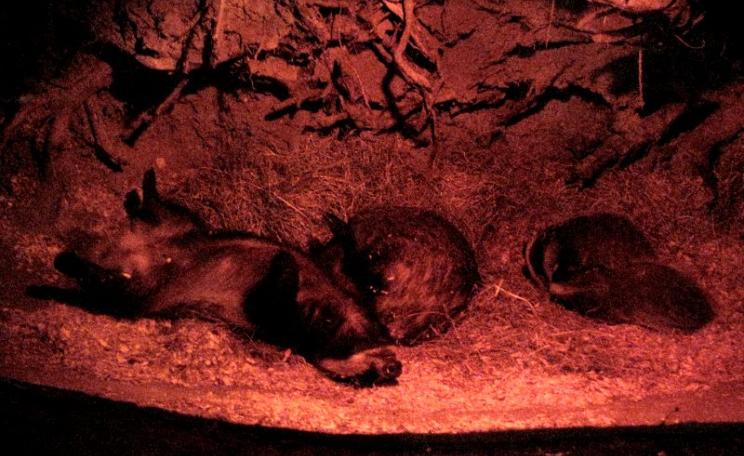
As they argue for an extended and intensified badger cull, some farmers have been making extravagant and improbable claims about giant badgers frolicking with their cattle in the sunshine, write Jay Tiernan & Lesley Docksey. But despite holding office in the NFU, they display astonishing negligence by failing to adopt the most elementary bio-security measures advised by Defra to keep their cattle TB free.
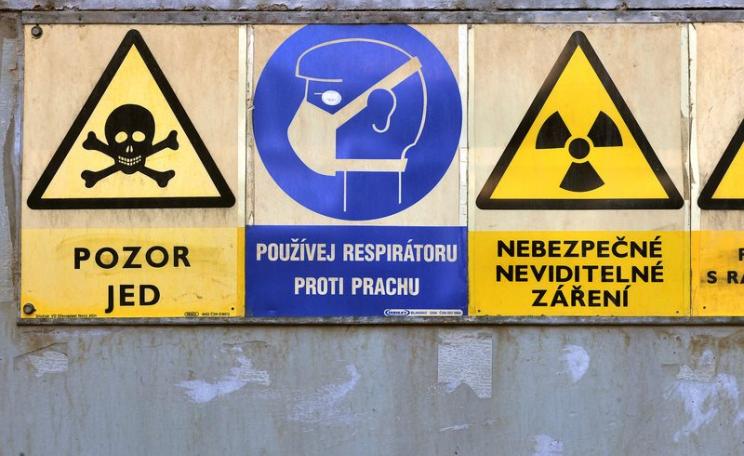
Nuclear energy is a failed technology that's never been safe, affordable or effective at reducing carbon emissions, writes Peer de Rijk. But that won't stop the world's nuclear lobbyists from thronging to COP21 in Paris determined to secure a place for nuclear power among the 'solutions' to climate change. We must make sure they fail.
A new study finds that the Roundup herbicide disrupts the hormonal system of rats at low levels at which it's meant to produce no adverse effects. By the same mechanism It may be causing the potentially fatal condition of 'adrenal insufficiency' in humans.
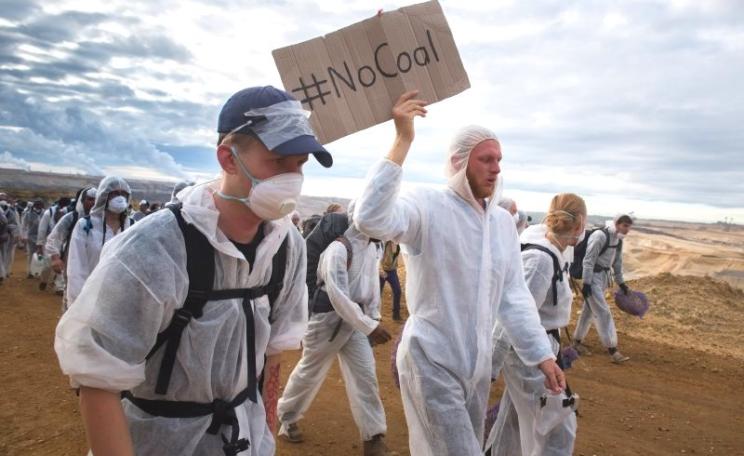
Last weekend Toni Belly was occupying Germany's biggest open cast coal mine in the once lovely Rhineland area, one of thousands of protestors from 350.org and other groups determined to shut the operation down. Nursing his bruises and eyes still sore from pepper spray, he set down his account of an unforgettable day of action.
English Nature's decision to licence England's badger cull has no scientific basis, write Iain McGill and 26 other distinguished vets in this Open Letter to EN's Chief Scientist. Science Advisory Committee and Board. The body must urgently re-examine the entire issue before issuing any more licences to kill badgers.
A growing protest movement is demanding strong controls on international investors and logging companies buying up Romania's forests, writes Raluca Besliu. In its sights is Austria-based Schweighofer, which stands accused of criminal malpractice and accepting illegal timber shipments. The popular outrage stirred up by corporate misdeeds is now stimulating a wider democratic revival.
Jeremy Corbyn is the one candidate for the Labour leadership who is serious about the environment and social justice. Only he can re-energise the Party, turn it into a political force capable of defeating neo-liberalism, and lead the progressive government that Britain so desperately needs.
The IPCC has over-estimated China's emissions since 2000 by 14%, almost 3 gigatonnes of carbon since 2000, while its energy consumption has been 10% higher than realised, writes Eliza Berlage. The country is far more carbon-efficient than we ever knew.
Britain's dairy farmers have been having a hard time, writes Vicki Hird, largely thanks to their exposure to an unregulated, unstable, global food market. But if the EU's TTIP 'trade deal' with the US is ever signed, pitting UK dairy farmers against zero-welfare US mega-dairies run on hormones and antibiotics, they won't have a chance.
It's a fair question, writes Doug Parr, but one to which we are getting no answers - the government is keeping its sums and energy models secret. It looks as if the energy department, DECC, is making things up as it goes along to justify its pro-nuclear, anti-efficiency and anti-renewables policies. And when it all goes disastrously wrong, who will end up paying for the mess? We will.
By working together and caring for those in need we can show that human kindness and global cooperation are stronger than competition and fear, writes Matt Mellen, and essential to building the better world we seek. Let's begin by recognising the humanity of the refugees washing up on Europe's shores.
A scientific paper published today says badger persecution may be one of the reasons for the persistence of bovine TB hotspots, writes Oliver Tickell. A further finding is that the main risk factors for bTB are all to do with cattle - not badgers at all.
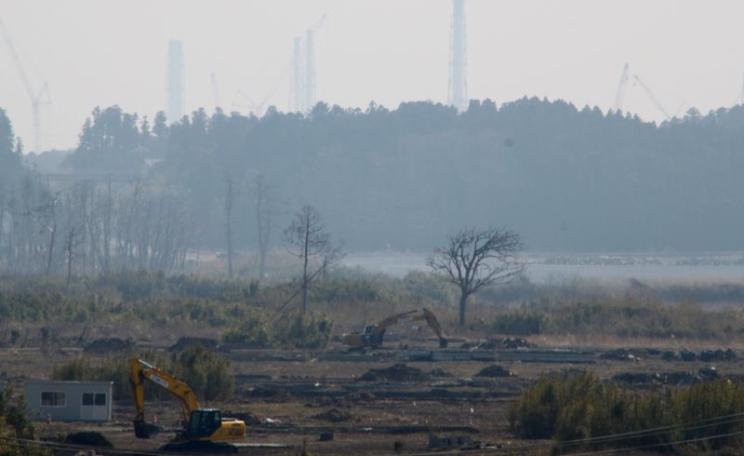
New evidence from Fukushima shows that as many as 2,000 people have died from necessary evacuations, writes Ian Fairlie, while another 5,000 will die from cancer. Future assessments of fatalities from nuclear disasters must include deaths from displacement-induced ill-heath and suicide in addition to those from direct radiation impacts.
Malaysia is pushing ahead with its plans for a devastating series of 12 dams in the rainforests of Borneo that will kill a billion trees, bring death to wildlife on a stupendous scale and evict tens of thousands of indigenous people and their communities, writes Jettie Word. Now a new film honours their struggle for land, forest and freedom.