Japan is living under the shadow of US militarism, write Taisuke Komatsu & Semanur Karaman - and most of all in Okinawa, the nation's southernmost archipelago. Against overwhelming local opposition but backed by Japan's government, the US is building a new military base that is seizing land and threatens the unique ecology of Oura Bay with its seagrass beds, dugongs and coral reefs.
Solar panels made using perovskite technology pay back the energy used to make them ten times faster than those using silicon. In time, this could lead to similar falls in price.
Monsanto is stepping up its attack on the WHO's classification of glyphosate as a probable human carcinogen, writes Peter Saunders. Dismissing the finding as 'junk science' the company is convening its own industry friendly panel and pushing its secret studies at regulators. Don't let them get away with it!
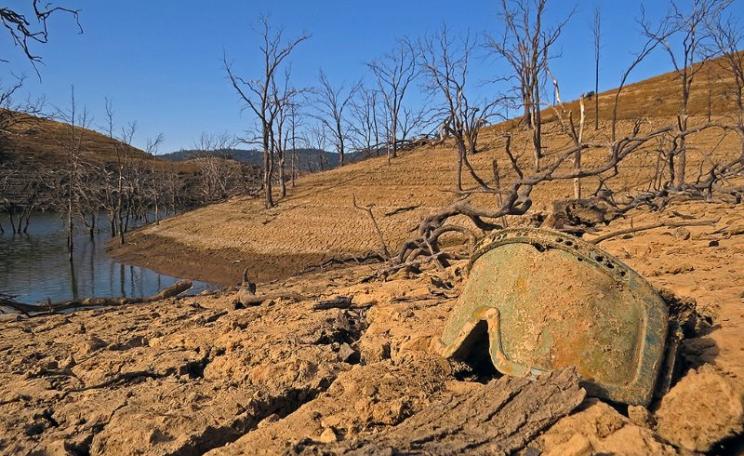
While households and small feel the brunt of California's drought, it's business as usual for agribusiness, writes Will Parrish. And despite the 'first user' principle that determines water rights, the state's indigenous tribes and the wild salmon on which they depend, have been left high and dry. The Public Trust Doctrine could change that - but only if the people demand it.
Human existence relies on healthy soils, writes Jane Rickson. But all over the world they are being lost and degraded by inappropriate land use, reducing their capacity to produce food and store water, nutrients and carbon. Sustainable land management must be incentivised to conserve this essential resource.
With the US, China, Germany and other countries firmly fixing their aim on a low carbon, renewable energy future, the UK government has chosen precisely the opposite track, write Noam Bergman, Lee Stapleton & Mari Martiskainen. Its mission to destroy wind and solar power, undercut energy efficiency and boost nuclear power and fracking threatens serious, lasting damage.
There's one big thing that Britain's biggest banks could do to reclaim their grievously impaired reputations, writes Greig Aitken: commit to stop investing in coal projects. As well as reducing climate change and local environmental impacts, it would also 'de-risk' their balance sheets as the global tide, from the US to China, turns against the dirty, carbon-heavy fuel.
The 'knowns' of climate change are already plenty scary enough, writes Bill Laurance. But far more worrying are the unknowns. And in a system as complex and convoluted as the global climate system there are lots of them, creating scope for many nasty surprises to emerge.
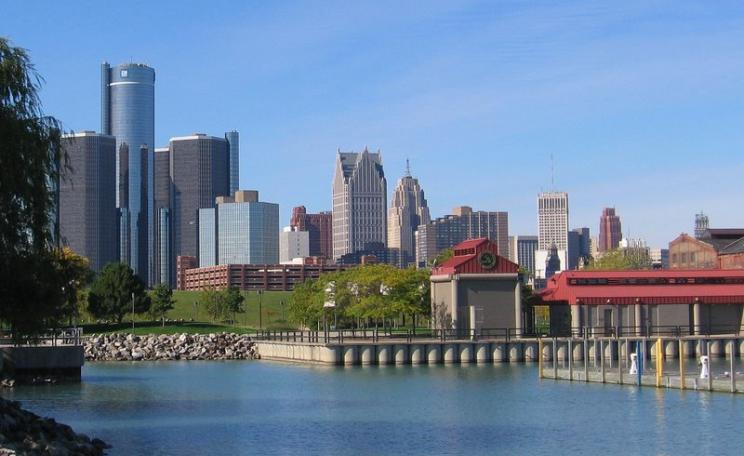
Detroit is the site of a neoliberal experiment that's already being repeated elsewhere, writes Chris Grove, with unpayable debt used to force the privatization of public services and the terminate democratic power and accountability. But as the city's poor find themselves cur off from water, a new, wider conception of human rights is emerging from the wreckage.
Julian Assange's struggle for freedom is one of law and justice against vengeful state power determined at all costs to darken the light of truth that Wikileaks has cast into the murkiest of places, writes John Pilger. Now, after a long series of moral and legal victories, his release may finally be drawing near.
Japanese rice farmers won a reprieve last week when TTP negotiations in Hawaii ended without conclusion on opening Japan up to cheap US rice imports, writes Nicole L Freiner. But with Japan keen to export more cars to the US, the victory is a temporary one. At stake is a way of life, an ancient land-rooted religion, and the future viability of Japan's farming villages.
A transformative, progressive political agenda focused on human wellbeing has morphed into a new form of behavioral management, writes William Davies. Happiness itself has been packaged, commoditised and put to the service of capital - and if you haven't got it, the Happy New World has no place for you.
The killing of Zimbabwe's Cecil the Lion has put a welcome spotlight on the alarming decline of Africa's lions, write Lochran Traill & Norman Owen-Smith. But to save the species, we should not obsess about trophy hunting, but tackle much more serious problems - like snaring and habitat fragmentation.
The UK government has timed its attacks on renewable energy to perfection, writes Alasdair Cameron. Public 'consultations' on proposals to cut away support for wind and solar are running over the holidays - and many of those affected don't even know about it. It's time for us all to stand up for the green economy and make our voices heard!
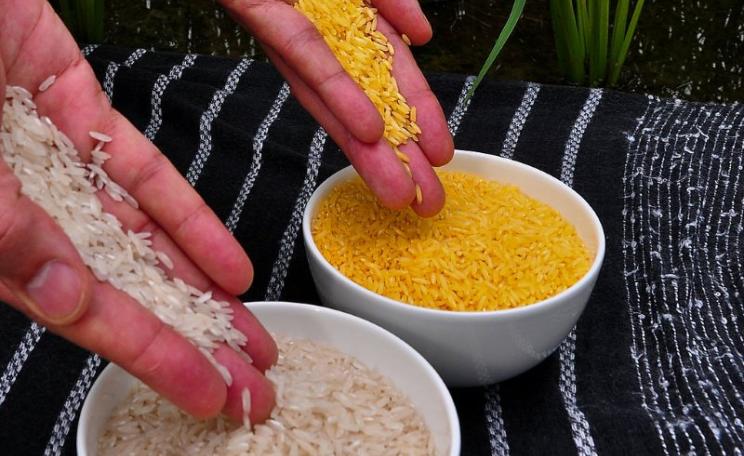
A key paper that's been widely cited to justify the use of GM 'Golden rice' to boost vitamin A nutrition has been withdrawn due to ethical breaches, with no proof of consent by parents of the children taking part in trials. But that's not the only objection.