Before the election David Cameron promised to increase funding for cycling to £10 a head across the UK, up from its current £2 outside London, writes Matthew Ford. But with the national cycling and walking strategy coming into force this week, that promise is looking ever less likely to be delivered.
The outbreak of Ebola in West Africa had everything to do with logging, deforestation and the disruption of traditional agro-forestry by large scale industrial agriculture, writes Rob Wallace. The only long term solution to this terrible disease may lie in forest conservation, the restoration of agroecological farming systems, and the exclusion of agribusiness investment.
'Detox' campaigners scored a huge victory this week when EU countries voted unanimously to ban imports of clothes and textiles containing the toxic 'gender bender' chemical NPE.
In the battle to save America's real wild west of unlogged forests, grizzly bears, mountain goats, Bull trout, free flowing streams and roadless wilderness, a single person stands out, writes Jeffrey St Clair, for her dedication, courage and remarkable success: Arlene Montgomery of Friends of the Wild Swan, Montana.
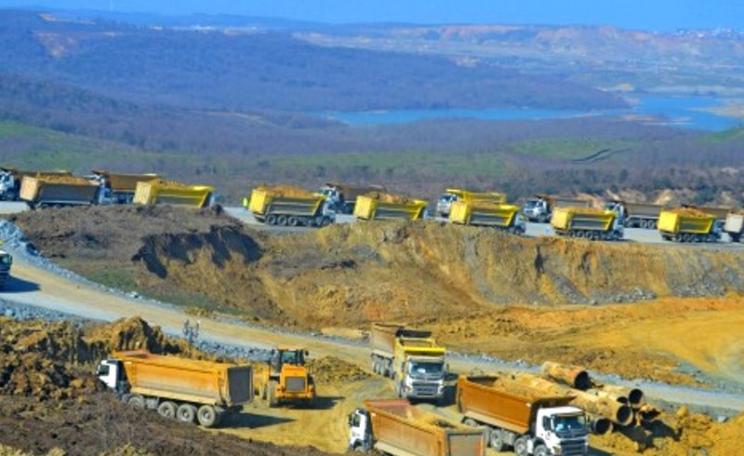
Destruction of 76 square kilometres of forests, lakes and farmland is proceeding north of Istanbul for the city's third airport, writes Rosie Bridger. But the gigantic ‘aerotropolis' project is vigorously opposed by local farmers and residents, and an urban resistance fighting other ecologically destructive megaprojects across the beautiful, biodiverse region - both on the streets and in the courts.
The Earth is now undergoing the biggest mass extinction since the end of the dinosaurs 65 million years ago, writes James Dyke - the result of our collective desire to convert our planet into goods, services and trash. If we go on the biosphere itself will survive, but it will be impoverished. As will we.
Are you suffering from cognitive dissonance? You should be, writes Oliver Tickell. After the most ferocious attack a UK government has ever mounted on the environment, David Cameron just claimed that his is the 'greenest government ever', as Amber Rudd proclaims her commitment to climate action. What's going on?
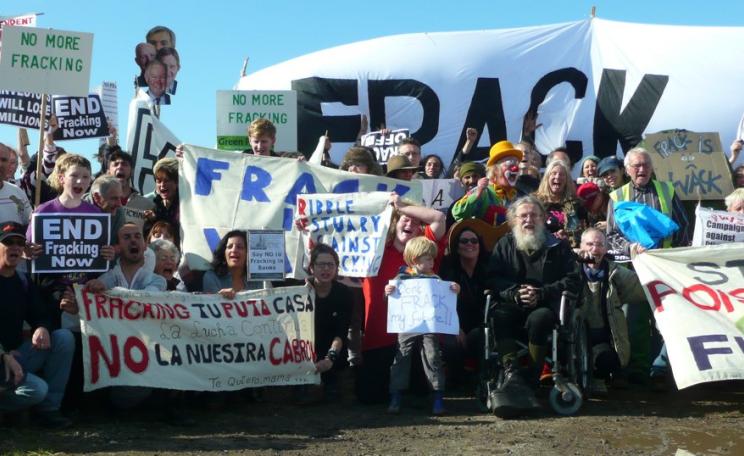
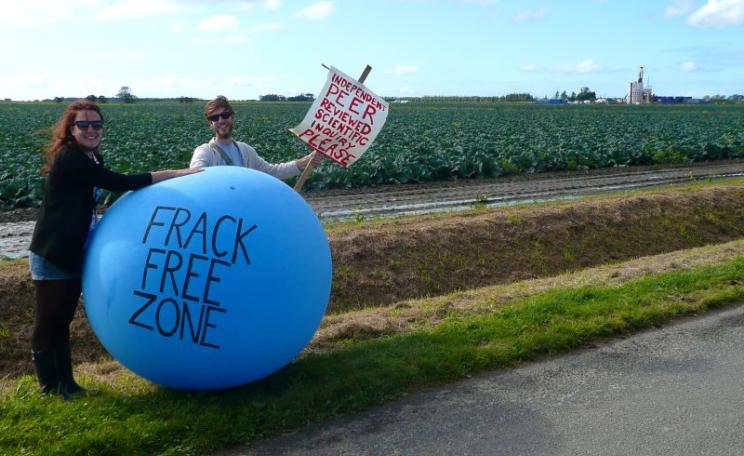
Shale gas company Cuadrilla will appeal Lancashire's decision to refuse permission to frack, write Kyla Mandel & Ben Lucas. The planning battle will last well into 2016, as campaigners prepare to fight all the way.
The climate change discourse rarely looks beyond 2100, writes Pete Dolack. Maybe that's because even at current levels of CO2, we are committed to thousands of years of warming and polar ice melt that will raise sea levels by at least six meters. However the implacable imperatives of capitalism mean there's little prospect of change for a long time to come.
Sooner or later, humanity will have to accept the constraints of a finite world, writes Guy Shrubsole. But two rival economic visions offer conflicting paths to sustainability. In fact, it's time to stop arguing and get on with it - going for green growth in the near term, while aiming for a deeper societal transformation.
The damage caused by fracking to people, communities and the wider environment will be put under the legal spotlight in public hearings in the US and the UK, write Damien Short & Tom Kerns. While the 'ruling' that emerges will be non-binding, it will provide an authoritative, expert dossier of fact and argument for real legal actions to follow.
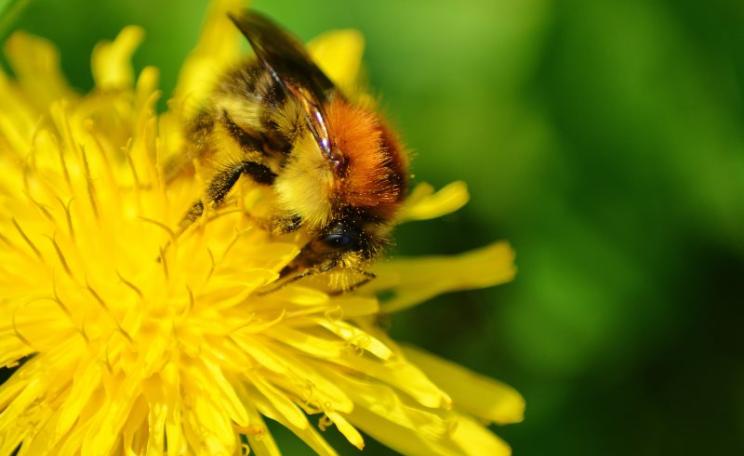
An Emergency Ordinance comes into force in Germany today that extends the EU's ban on 'neonic' pesticides to protect bees. But the UK's farming minister Liz Truss has relaxed the ban to allow farmers to use neonics on 30,000 hectares of oilseed rape.
Soon UK farmers will begin to spray their fields of wheat, barley, oats and peas with weed killer to make crops easier to harvest, writes Natasha Collins-Daniel. But the chemicals - including glyphosate, a probable carcinogen - can end up in our bread and other food. Let's put a stop to it now!
Who are we? We are the people who are ready to fight back, writes Derrick Jensen. The people who no longer live in hope that the Earth will be saved, but in the certainty that we will save her. We are activists, survivors, lovers and fighters. And we say: the destruction will stop.
Rewilding is now firmly on the agenda, writes Paul Jepson, and that brings a huge opportunity to re-invigorate conservation. But we must look to creating new functional ecosystems for the future, rather than trying to recreate a lost and perhaps imagined past.