An new design of tidal power turbines will generate power at a third the price of current technologies, write Alex Kirby & Oliver Tickell, even at a lower price than offshore wind - without endangering marine life.
A new study finds that Indian farmers in rain-fed areas are being driven to suicide from the increased cost of growing Bt GMO cotton varieties that confer no benefits to them, writes Eva Sirinathsinghji. The extra expenses arise from buying new seeds each year, along with increased chemical inputs, while suffering inadequate access to agronomic information.
Giraffe numbers have fallen from 140,000 in 16 years to just 80,000, writes Matt Hayward, and sub-species in East and West Africa are close to extinction. However trophy hunting has led to big population increases in private game reserves in southern Africa. To secure the giraffes' future, beware of simplistic narratives.
Scotland's small-scale farmers have welcomed their government's decision to prevent the growing of GM crops, aimed at enhancing the country's 'clean, green status', among a coalition of green NGOs.
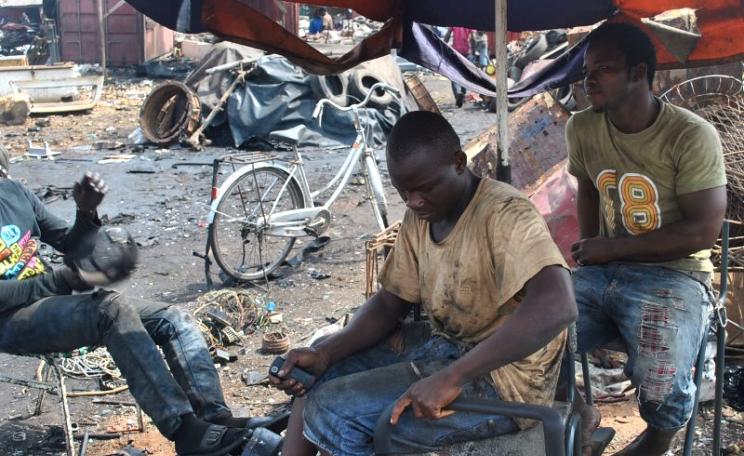
Most accounts of Agbogbloshie, the e-waste site in Accra, Ghana, persistently miss the point, writes Dagna Rams. Far from being a simple 'dump' for the world's trash, it is a huge recycling operation that pays for the wastes it receives, employs thousands of young men who would otherwise lack jobs, and plays a huge role in the national and global economy.
European retailers have imposed 'ethical' certification processes on their banana suppliers, writes Rachel Smith. But reports from Ecuadorian plantations reveal serious weaknesses in the schemes that leave workers poisoned and abused. To get to the truth, inspectors must dig deeper, and make surprise visits.
Should we really be spending £1.2 million a year to conserve red squirrels? Yes we should, writes James Borrell. But with Africa's rhinos facing extinction, and vital conservation in UK's overseas 'biodiversity jewels' sadly underfunded, there are much better investments we should be making too.
The loss of Indonesia's coastal mangrove forests for shrimp farming is a huge source of carbon emissions, writes Prodita Sabarini. But equally, a policy flip to preserve and recreate mangroves offers a major climate win.
We need a renewable energy revolution, an end to fracking, no new nuclear power, efficient homes, and the break up of our energy cartels, writes Jeremy Corbyn, All that, and strong protection for wildlife and oceans, no TTIP trade deal with the US, clean air to breathe, and massive investment in public transport. Is there anything not to like?
Glaciers around the world are melting on a scale without precedent in recorded history, writes Alex Kirby. Measurements of over 5,000 glaciers show that they have been retreating so fast so far this century that even if climate is stablised, the ice losses will continue for years to come.
The land grab by NuGen for its triple reactor Moorside site keeps on growing, writes Martin Forwood. The 'biggest construction project in Europe' is expanding from Nugen's original 200 hectare site to 552 hectares of farmland reaching right up to two villages and an 11th Century church. But with compulsory purchase on the cards, there's nothing locals can do except keep on fighting the entire deeply flawed project.
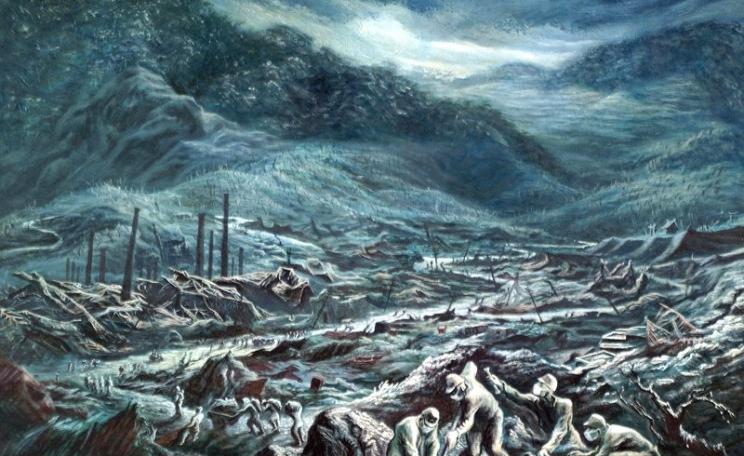
Following the atomic bombs exploded over Japan in 1945 a second crime against humanity took place, writes Chris Busby: the deliberate falsification of science to hide the dangers of ionising radiation, perpetrated to quell public opposition to a new age of nuclear bombs and energy. The fraud continues to this day, but finally the truth is winning out.
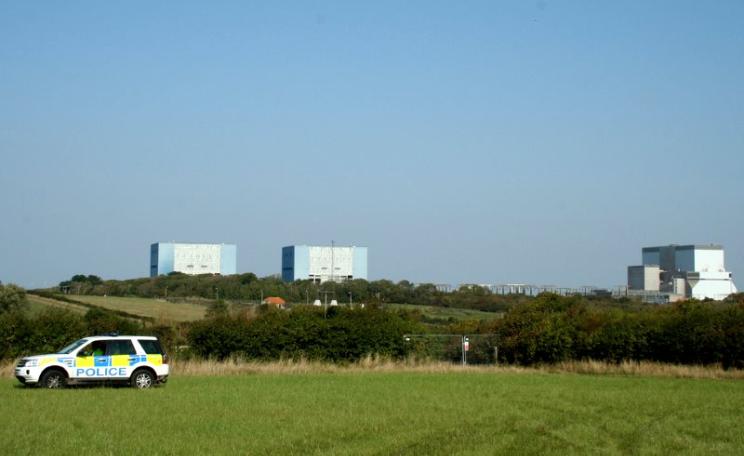
Following high-level criticisms of the Hinkley C nuclear plant from HSBC and the Chancellor's father in law, EDF, the company in line to build the power station, is fighting back hard, writes Oliver Tickell. But it could all be too late to rescue the doomed project.
Nuclear weapons are the ultimate evil that threatens us all, says Matsui Kazumi, Mayor of Hiroshima. We must listen to the message of Japan's atom bomb survivors and join their efforts to abolish nuclear weapons completely by 2020.
This day in 1945, the explosion of a nuclear bomb over Hiroshima, Japan, changed the world forever, writes Daniel Cordle. A remarkable article in the New Yorker by John Hersey has shaped the way the world perceives the event, and nuclear weapons generally, by illuminating the humanity of its victims in clear, simple prose.