A new report warns that coal, oil and gas assets will be stranded if the world is to limit temperature rise to 2C. Losses are projected to reach $2.2 trillion over the next decade, with coal taking the biggest hit, while oil demand peaks in 2020. Yet fossil energy companies are ignoring the very innovations that will put them out of business.
Amid the human suffering caused by terror attacks, it's easy to forget the economic dimensions, writes Paul Mobbs. But after the 13th November attacks in Paris defence industry shares soared, while a host of connected think tanks, lobbyists and politicians dominated the media in pushing for military responses. Is it time to expose and confront the terror industrial complex?
The governor of the Bank of England recently argued that the risk to the stability of the financial system from climate change is a responsibility of central banks, writes Matthias Kroll. They can begin by using QE - 'quantitative easing' - to finance the Green Climate Fund, and so stimulate the economy, rescue the climate, and save the global financial system.
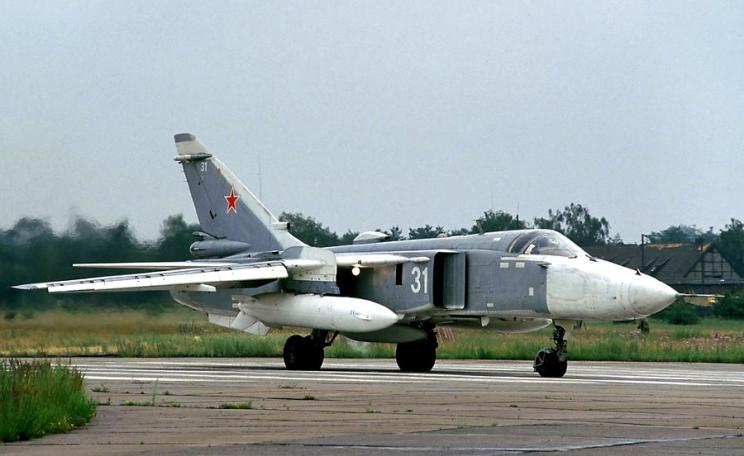
Turkey's shooting down of a Russian jet near its border with Syria has just revealed the real nature of the war, writes Oliver Tickell, and sharply illustrates the dangers of getting involved in a conflict that is driven more by a battle of two gas pipelines than a clash of ideologies. The message for the UK - keep well out! Or if we are serious about crushing IS, best join in with Assad and Putin.
'No deforestation' pledges by global food corporations are yielding results, writes William Laurance. But now the Indonesian and Malaysian governments are calling on them to abandon their promises - even as the region's rainforests go up in smoke, cleared for new oil palm plantations. The companies must hold firm to their commitments.
New research warns that rising temperatures will reduce the mountain snow in 97 major river basins worldwide, writes Tim Radford - cutting summer water supply to 2 billion people in lowland areas who depend on the meltwaters.
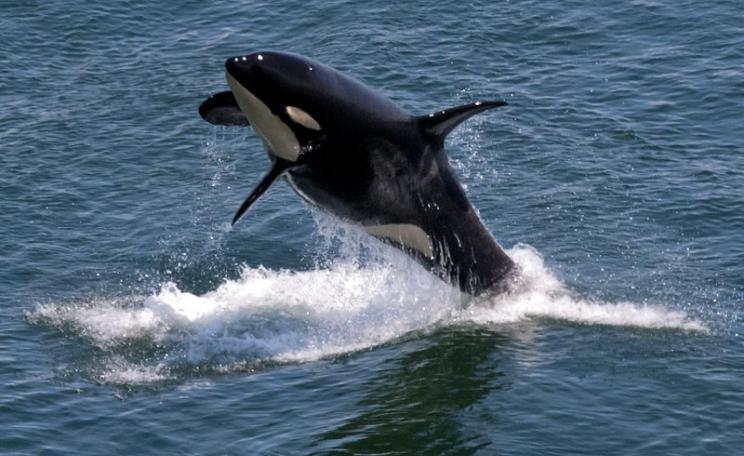
The Southern Resident Orcas of Puget Sound have plenty of problems, writes Kathleen Haase. But as the film 'Fragile Waters' makes clear, there's a common thread: us. Whether it's over-fishing Chinook salmon or polluting the ocean with toxic chemicals, we are driving them to extinction - and if we don't soon mend our ways, it will be too late.
Sooner than it takes to build a nuclear power station, lithium-air batteries could be helping wind and solar to make coal, oil and nuclear obsolete, say Cambridge scientists. Five times lighter and five times cheaper than current lithium batteries, Li-air would open the way to our 100% renewable future.
An energy revolution that would take the world to 100% renewables in 15 years is possible, write Sam Cossar-Gilbert and Dipti Bhatnagar. We have the technology, and we even have the money - only it's currently being spent to subsidise fossil fuels. The time has come to tackle two hugely destructive and closely entwined crises - growing inequality and climate change.
Earth's temperature is heading towards its highest for three million years, writes Ed Miliband. The world must move as fast as possible to 'net zero' carbon emissions - and the UK should take a lead in this global effort, enshrining the target in law, and driving a technological renewal that will assure our future prosperity.
As falling milk prices push dairy farm out of business, new mega-dairies and feedlot operations of 700 or more cows are filling the void, writes Andrew Wasley. Never mind the pollution, slurry lagoons, and heavy plant on country lanes - do we want the cows that produce our milk confined to sheds? And what's the future for traditional dairy farmers with small, well cared for herds?
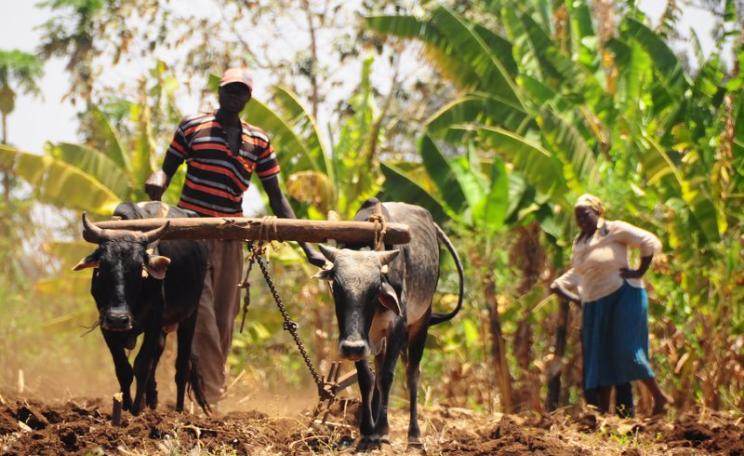
While the Gates Foundation and conservative politicians are bigging up GMOs and agribusiness, writes Colin Todhunter, a quiet revolution has been working its way across Africa. Agroecological farming, constantly adapting to local needs, customs, soils and climates, has been improving nutrition, reducing poverty, combatting climate change, and enriching farmland.
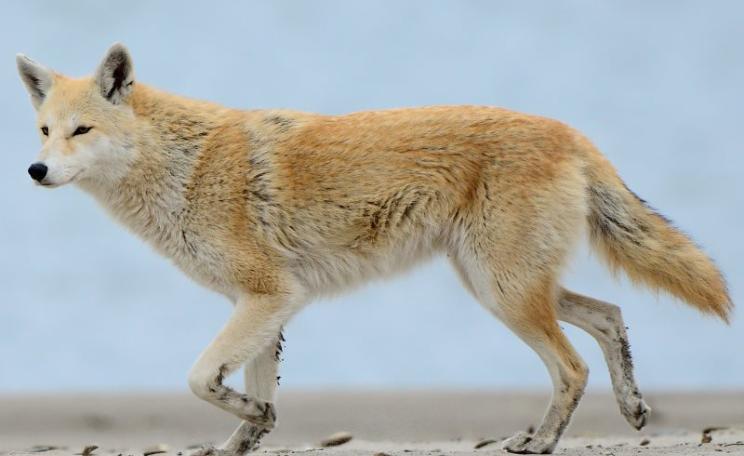
Novel canids are hunting the forests of Eastern North America from Florida to Labrador, writes Roland Kays, where hybrids of coyote, dog and wolf have evolved into highly competitive forms. But is it the evolution of new species? If left in long term isolation, perhaps - but that's not about to happen. Genetic mixing and evolution still have a long way to run.
Luxembourg will join Austria's legal challenge to the UK's support package for the Hinkley C nuclear power station. Meanwhile EDF has laid off 65 engineers working on the project in Paris, and the EU Commission has initiated proceedings against Hungary over its Paks II nuclear project with Rosatom.
NASA scientist James Hansen is heading to COP21 in Paris to berate climate campaigners for failing to support 'safe and environmentally-friendly nuclear power', writes Jim Green. But they would gladly support nuclear power if only it really was safe and environment friendly. In fact, it's a very dangerous and hugely expensive distraction from the real climate solutions.