Faced with the double crisis of global warming and the decimation of marine wildlife, what does the Obama administration do? Open up the US's Atlantic and Arctic Ocean seafronts to oil and gas drilling, write Ralph Nader & David Helvarg. But this assault on our climate and cetaceans can be stopped, as a 'Sea Party Rebellion' prepares to fight it all the way in forthcoming Presidential elections.
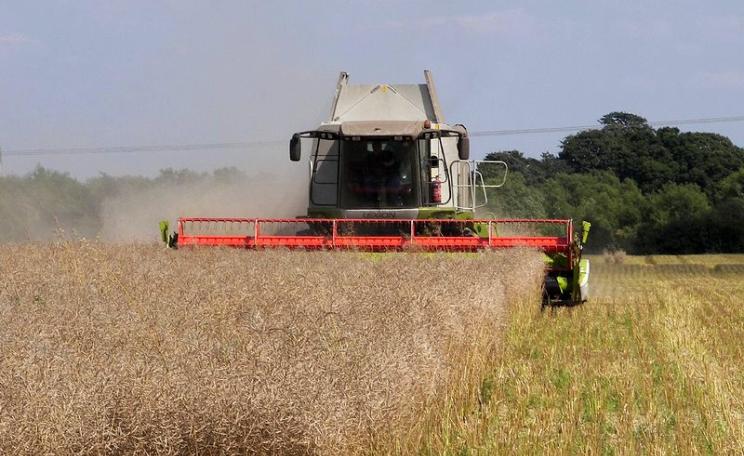
Early yield figures indicate a bumper harvest for oilseed rape in England in the first neonic-free growing season - making a nonsense of the 'emergency' lifting of the ban of the bee-killing pesticides.
As Greece prepares for its referendum, Takis Grigoriou takes Greece to task for its highly polluting lignite power sector, its ditching of a successful solar program in favour of more coal, the minimal insulation in its buildings that locks in high fuel bills, and Syriza's failure to tackle these issues. The good news? Greece's latest €1.4bn coal project looks like going unfunded.
The NHS is one of our greatest institutions and we must defend it to the hilt, writes Natalie Bennett. But to build the healthy society we all want and deserve, we need joined up policies across the policy spectrum, valuing human wellbeing above crude economic growth.
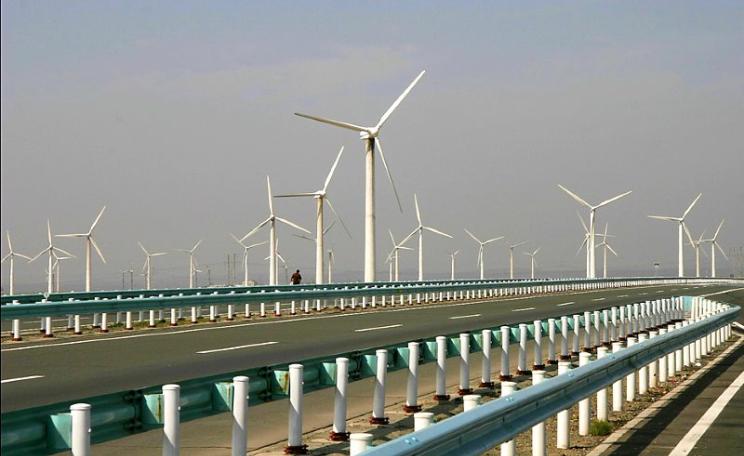
Renewable energy is all go in China, as set out in its climate pledge this week, writes John Mathews, with huge growth planned for wind and solar. The one big loser - coal exporters who can expect falling sales volumes in coming years. Wake up Australia!
French photographer and environmental activist, Yann Arthus Bertrand, author of 'The Earth from the Air', sets out his hopes and fears for the future in this interview with Tadzio Mac Gregor - and explains why, despite all the problems that afflict the world, he has no space for pessimism.
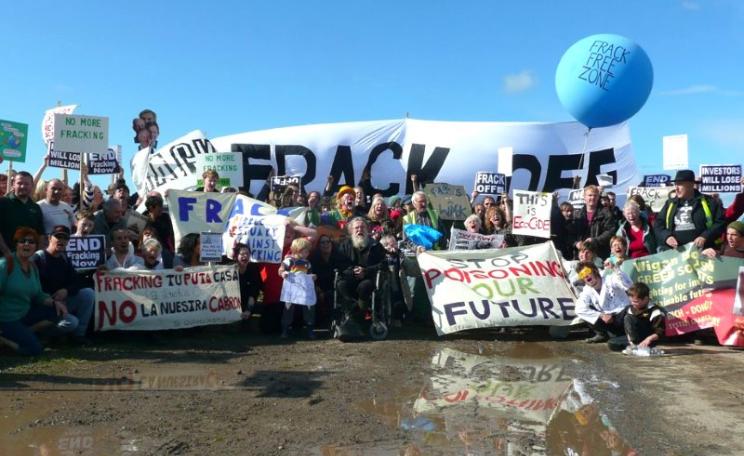
House prices could fall 7% near fracking rigs, according to the 'secret' Defra report on fracking in rural areas, only published in full after a legal battle, while leakage of waste water could damage human health and contaminate food.
Honduras has endured six years of violence and land grabs after the 2009 US-backed military coup made the country a playground for Hillary Clinton's billionaire friends, write Eric Draitser & Ramiro S. Fúnez - and a hell for the country's indigenous and small scale farming communities, whose leaders are routinely murdered with impunity by US-trained forces.
With the UK's business air travel falling, the Airport Commission says we need a new London runway to make us happy! But all their data really shows is that people who go on holiday lead happier lives than those who don't, writes Chris Goodall, and that people enjoy holidays: a flimsy basis on which to expand airport capacity, and blow the UK's emissions targets out of the water.
Sunday's SpaceX crash sends a powerful warning of the dangers of nuclear power on spacecraft, writes Karl Grossman. But will NASA listen? Despite the success of solar-powered missions, it's planning to use plutonium to power future missions and a new report asserts a continuing need for the technology - even as Russia ditches the idea.
This month the UN is meeting to enact binding global rules on the conduct of business and transnational corporations, writes Sam Cossar-Gilbert, reversing the trend for increasing business empowerment in TTP, TTIP and TISA. The new UN Human Rights Treaty aims to provide justice for the victims of corporate criminality anywhere in the world.
Last month Palestinians of the Jordan Valley suffered a punitive regime of military exercises that displaced hundreds of people, set fire to farmland and holed water tanks - all part of Israel's plans to annex the region for Jewish settlements.
California's drought is a harbinger of things to come around the world, writes Maude Barlow. Because of global warming, yes - but also because the Golden State is an exemplar of the 'water as property for corporate profit' neoliberal paradigm that's taking over the world. It's now essential to assert water as a Commons - to be both justly shared, and fiercely protected!
You might be forgiven for thinking that climate change is all about fossil fuels, writes Chris Lang. But with livestock farming causing around a sixth of global emissions, there's one quick, cheap way to cut our carbon footprints: go vegetarian, or better still, vegan. So what's taking us so long?
The world economy and energy use both grew in 2014 - but carbon emissions did not, writes Alex Kirby. The reason? The worldwide surge in renewables, especially in China, has reduced demand for coal in power generation.