Three scientific expeditions into the Atlantic ocean will take place this summer, writes outdoor philosopher Kate Rawles. But as well as gathering data about plastic pollution and over-fishing, they will give participants the chance to think deeply about our society, its values, the often false narratives it tells; and our place, as humans, in the natural world.
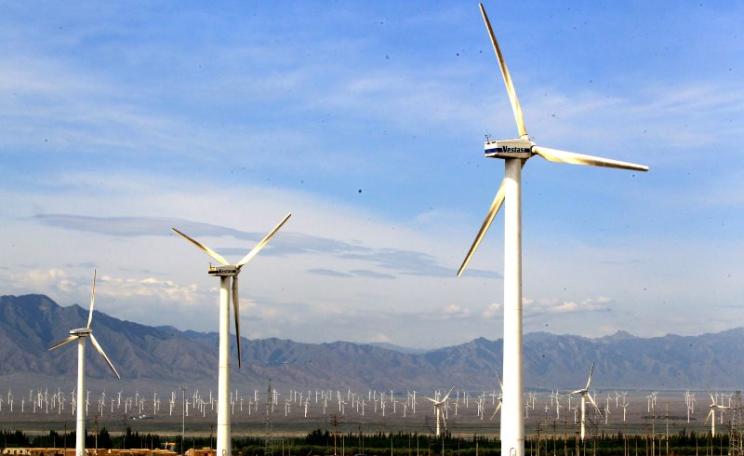
Japan and Germany have much in common: both are major industrial countries that have gone nuclear-free, writes Peter Matanle - Germany by choice, Japan by necessity. But while Germany is actively pursuing its renewable energy revolution, or Energiewende, Japan, possessed of the richest renewable energy resources in East Asia, is stuck in a fossil fuel pit.
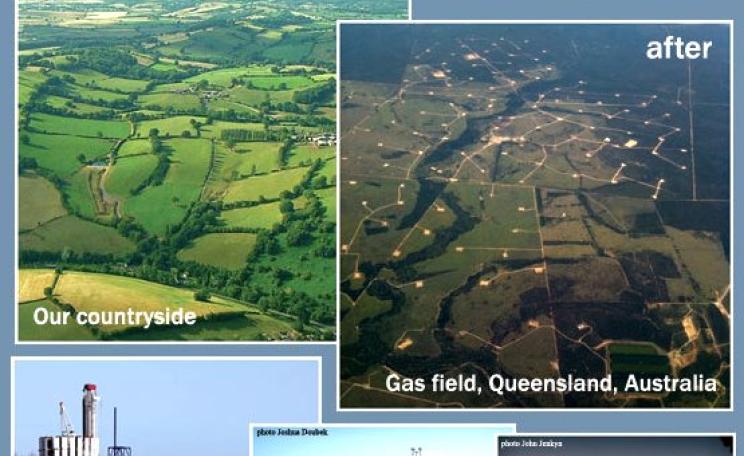
The Government is struggling to spin its policy to fast track fracking, writes Paul Mobbs. So as it cuts the public out of the regulatory process, exempts exploratory wells from controls, and forces the Environment Agency to issue permits with 1-2 weeks, its spin machine has resorted to outright lies and misinformation to conceal the scale of the attack on our environmental rights.
As the great and good of Britain including its most august royal personages converge on Runnymede to celebrate the 800th anniversary of Magna Carta, police are violating the very freedoms the Charter guarantees, writes Donnachadh McCarthy, after declaring an alternative Festival of Democracy to be an 'illegal rave'.
China's success in driving down its fossil fuel burn will raise chances of a success at this year's Paris climate talks, writes Kieran Cooke - but first the world must appreciate the changes China is making, and how clean energy is catalysing a broader economic transformation.
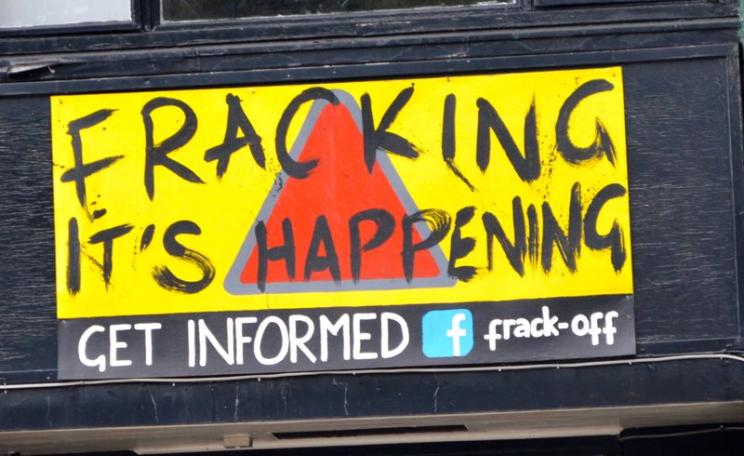
As Lancashire planners come out in support of the UK's first fracking well, Jojo Mehta has something to celebrate: the resounding success of the 'What does FRACKING mean?' leaflets she crowd funded for in April. So far 80,000 have gone out to campaigners and volunteers all over the UK, and requests for more are piling up.
It's not just western corporations that are moving into large-scale agribusiness in Ethiopia, writes Mohammad Amir Anwar. Indian investors have acquired rights to some 6,000 sq.km of land much of it in the ecologically sensitive Gambela region, where unconsulted Nuer and Anuak peoples are suffering from forest clearance.
Rising temperatures are now affecting countries' ability to wage war, writes Richard Galustian, with Britain's new Type 45 destroyers left without power as warm Gulf and Mediterranean seas close down their engines. Will this, finally, force our politicians to understand that climate change is real and dangerous?
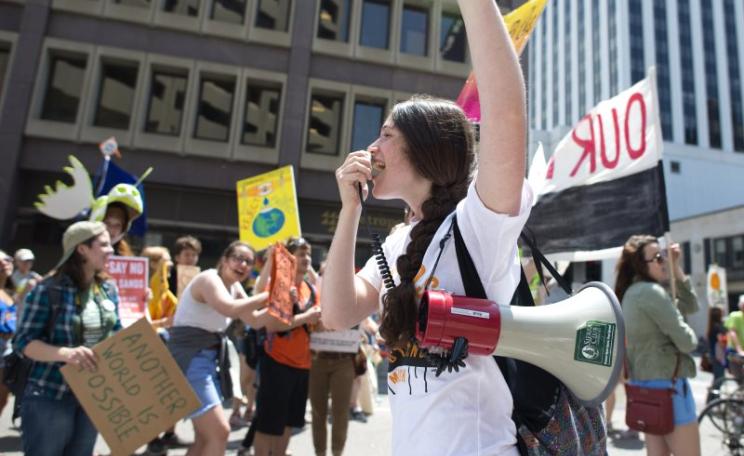
The Midwest's largest ever anti-tar sands demonstration took place in Minnesota last weekend, writes David Goodner, cementing a new alliance of diverse communities united in resisting the pollution and destruction of tar sands exploitation, processing and transportation.
Milk farmers in the badger cull zones hardly depend on Caffè Nero's custom, writes Dominic Dyer. So why are the pro-cull lobby so hot under the collar with the coffee chain's refusal to buy their produce? Because it could force the entire food chain to take responsibility for how milk is produced - and a very good thing too!
A project to mine 225,000 acres of seabed in Baja California's San Ignacio lagoon threatens the myriad sea life of the area, writes Haydée Rodríguez: not just Gray whales but Blues, Humpbacks and Loggerhead turtles, from noise, disturbance and radioactive releases.
A final vote to give President Obama 'fast track' authority to pursue the TTP and TTIP trade negotiations is will take place in the US House of Representatives today, writes Conor J. Lynch. This time, it's final. And yes, it really does matter. A 'yes' vote would represent the greatest corporate power grab of our times - and there's just hours in which to stop it.
WHO's official recognition of the health damage caused by glyphosate, the world's most widely used herbicide, is having ramifications around the world, writes Dr Eva Sirinathsinghji. National governments are moving to restrict the chemical, campaigns to ban it are intensifying, and now 'Roundup Ready' GMO crops are coming under the regulatory spotlight.
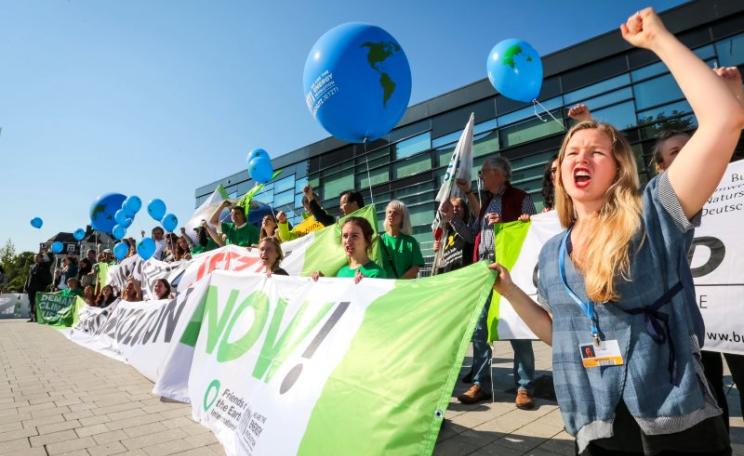
UN climate talks in Bonn ended today without the progress needed to secure agreement at the Paris COP in December - shortly after the G7 issued aspirational climate promises devoid of action, and heedless of warnings that Germany is already suffering the impacts of climate change.
Oxford Council's Executive Board meets today to decide whether to criminalise 'noncompliant' busking, pavement art, cycling and other activities in the City's vibrant public spaces, punishable with a £1,000 fine. Jonny Walker wrote them this Open Letter.