In early March author Steven Druker challenged the Royal Society to justify its outspoken and partisan support of GMO crops, writes Colin Todhunter, and to correct any errors of fact in his book 'Altered Genes,Twisted Truths'. Three months later, the Royal Society remains silent. Is it frightened of genuine scientific debate?
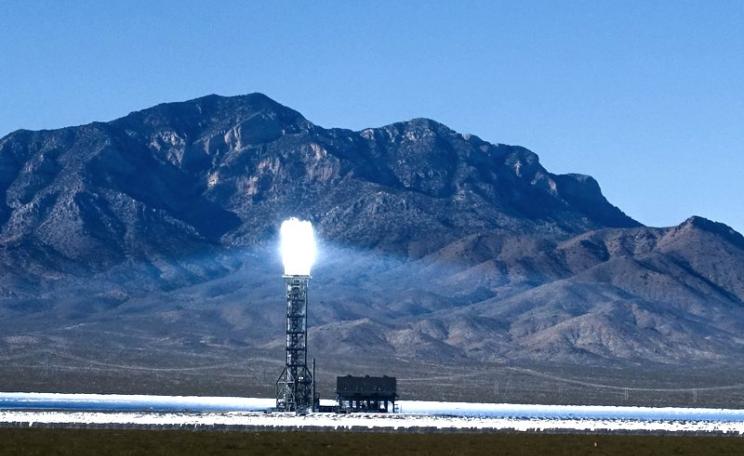
An ambitious plan to make a wholly renewable energy system cheaper than fossil fuels within a decade has been launched today and is set to receive its first hearing at the G7 Summit in Germany next week.
Charles Kennedy may have struck a chord with voters as a man of the people, writes Donnachadh McCarthy. But in fact, he was very much a politician. He refused to speak out against the Iraq war, suppressed anti war activism, presided over serious political corruption, was supine in the face of corporate power, and laid the foundations for Nick Clegg's disastrous takeover.
Australia's government can breathe a sigh of relief as UNESCO keeps the Great Barrier Reef off its 'World Heritage in danger' list, writes Emily Lindsay Brown. But in return, it has committed to protect the reef from farm run-off and dredgings, and to implement its 'Reef 2050' sustainability plan. If Australia fails, the Reef could be officially 'in danger' as soon as 2020.
Gaia Vince's remarkable book is far more than a litany of the problems of global warming and mass extinction, writes Robert Hunziker. It's also an inspiring account of how people can respond to such crises in wonderful, imaginative, creative ways, achieving seemingly impossible tasks from seeding glaciers in the Himalayas, to holding back the desert with dew.
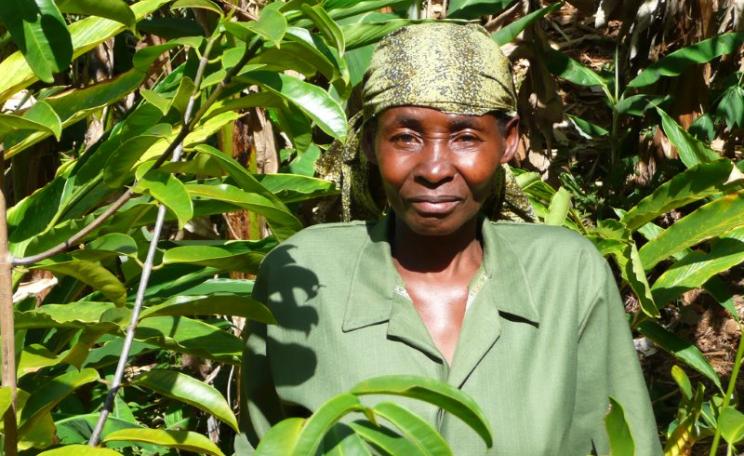
Industrial logging in the world's second largest rainforest is out of control, writes Raoul Monsembula, and spells disaster for both wildlife and forest people. There is an alternative: community forestry has just been enshrined in law. But resources must be committed to law enforcement in Congo and abroad, and to empowering forest communities.
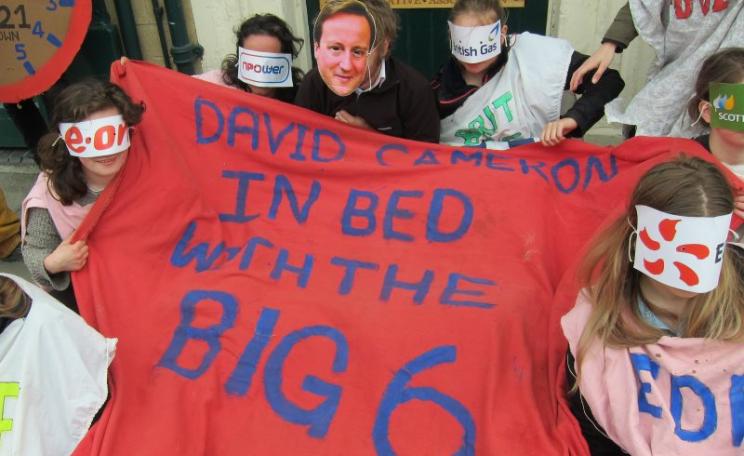
The fossil fuel industry and its political backers have been left reeling by an unprecedented series of direct action strikes against targets across the country to protest at continuing investment in and official support for fossil fuels, inaction over fuel poverty and the systematic neglect of renewable energy despite the global climate emergency.
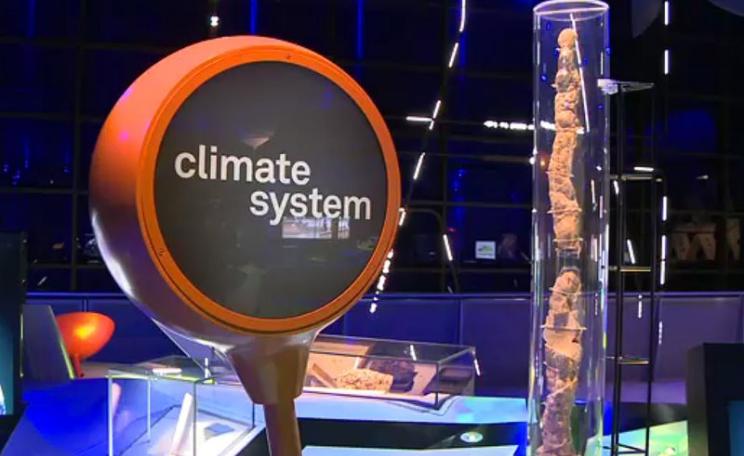
Emails released by the Science Museum show that Shell pressed its case to Museum staff to deny NGOs the opportunity to open up a debate on the company's operations in connection with an exhibition it had sponsored on waste and climate change, writes Terry Macalister.
Forest foods are a vital source of nutrition for millions of people, writes Bhaskar Vira, and we need to make them an even bigger part of our diets for the sake of health, biodiversity, local economies, and to increase food global security in a warming world.
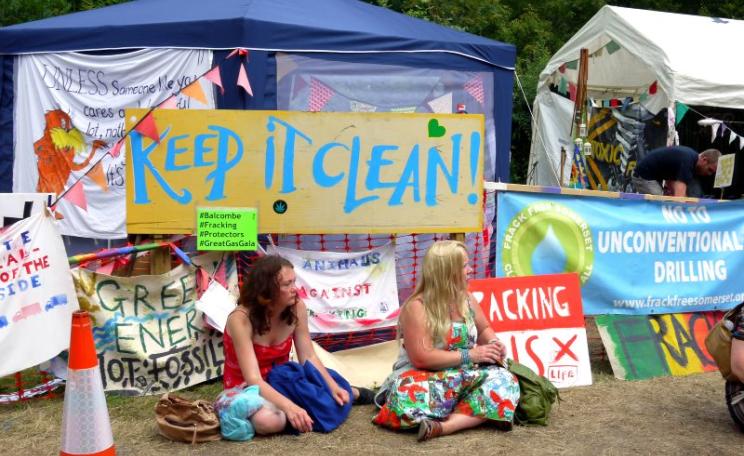
Emboldened by the Tory election victory and the appointment of Amber Rudd as energy Secretary, writes Ben Lucas, planning applications to frack have been coming in thick and fast - even in densely populated London boroughs.
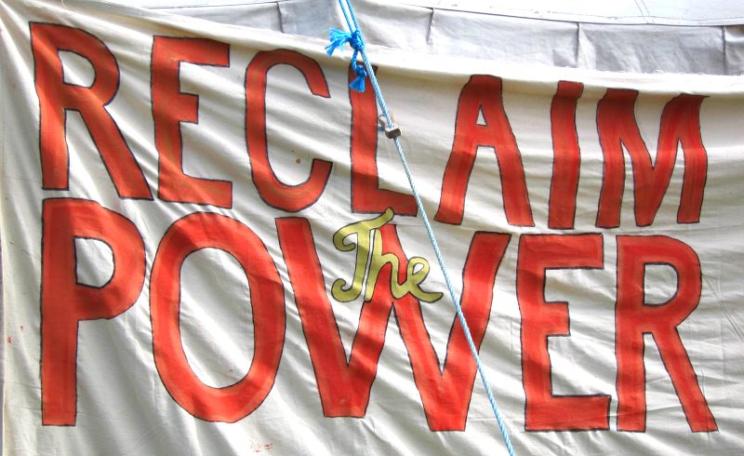
Hundreds of campaigners are gathering at Didcot Power station in Oxfordshire to demand a green energy future - and an end to the Government's relentless push for fossil fuels and nuclear power, writes Diêgo Lôbo. Preparations are under way for a series of actions due to take place tomorrow, Monday 1st June.
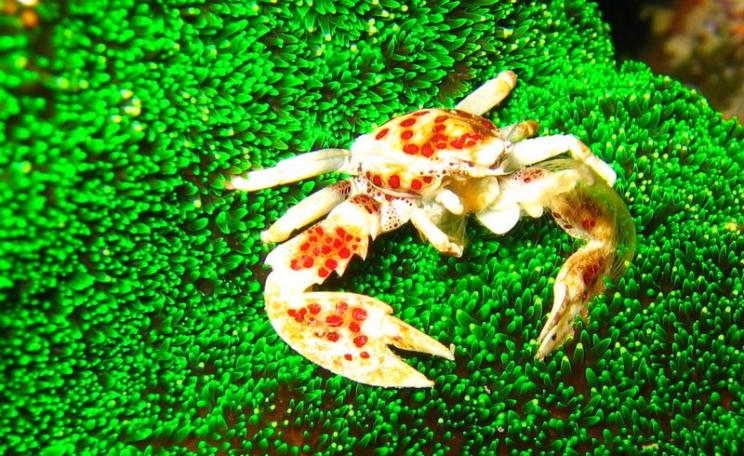
To keep the world's coral reefs alive we may have to cool tropical seas by blocking the sun's rays above them, writes Tim Radford. Even if the world reduces carbon emissions, warming already 'in the pipeline' could kill 90% of the world's coral by 2050 unless we act.
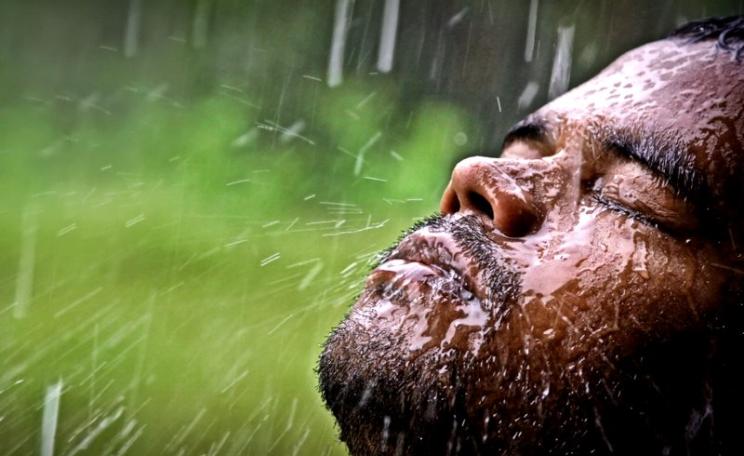
As delegates prepare for the Bonn climate talks, India is being struck by extreme heat with a long-delayed monsoon season and a death toll of thousands, writes Liz Hanna. If this is an indicator of the warming world to come, it's giving us all the reasons we could possibly want to act decisively before it's too late.
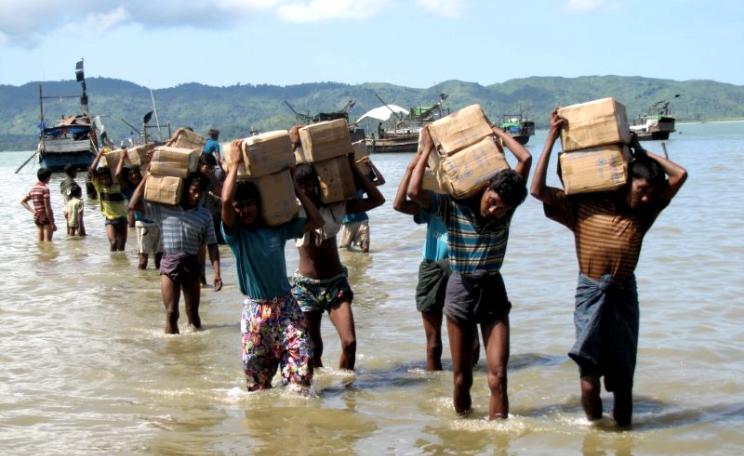
Decades violent expulsions, race laws and denial of citizenship lie at the root of the 'boat people' crisis in Thailand and Malaysia, writes Oliver Tickell. Attacks on the Rohingya minority have escalated since a new policy was announced in 2014 to permanently deny their rights.
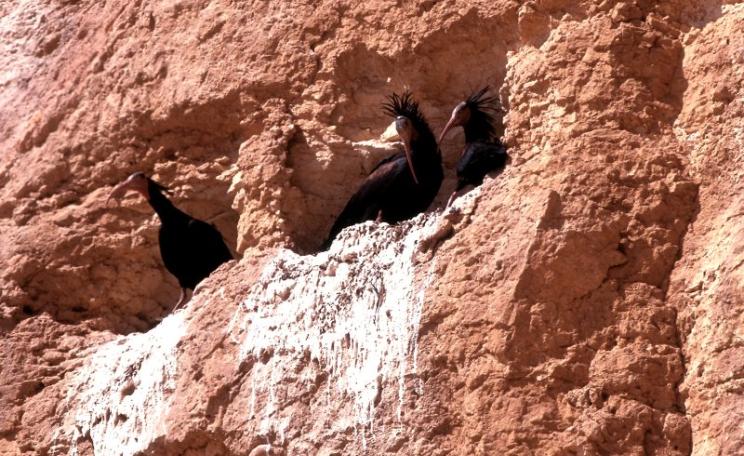
Reports that Syria's iconic Northern Bald Ibis colony is endangered by IS's capture of Palmyra are mistaken, writes Gianluca Serra. The species is already extinct as a breeding population for reasons unconnected with IS. The war that is destroying Syria came only as the last straw for a long-dwindling species whose plight the world chose to ignore.