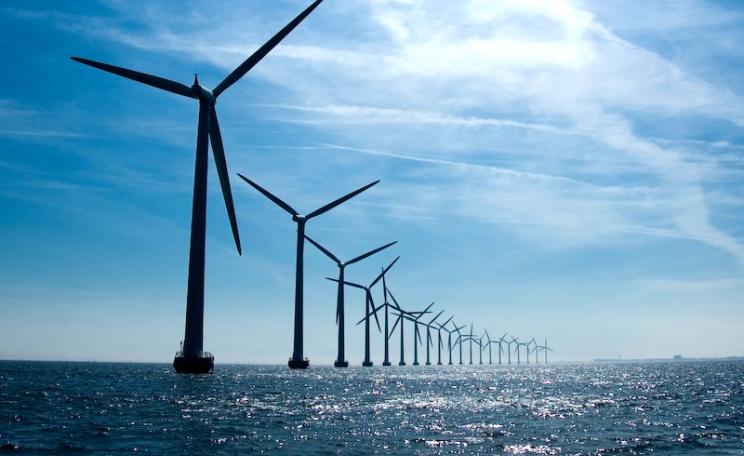
The renewable power boom is excellent news for people and planet, writes Pete Dolack. But let's not get carried away: much energy that claims to be 'renewable; like biomass and big hydro, is no such thing. And greening our energy is just one of many steps to a sustainable world. The greatest challenges - like tackling the monster of infinite 'growth' - all lie ahead.
In principle the EU's new rules on GMOs allow member states to opt out of GMO crops and foods, writes Mary Dobbs. But they can only do so on very limited grounds, and in a consistent and non-discriminatory way. Being GM-free may be a lot harder than some countries, and campaigners, suppose.
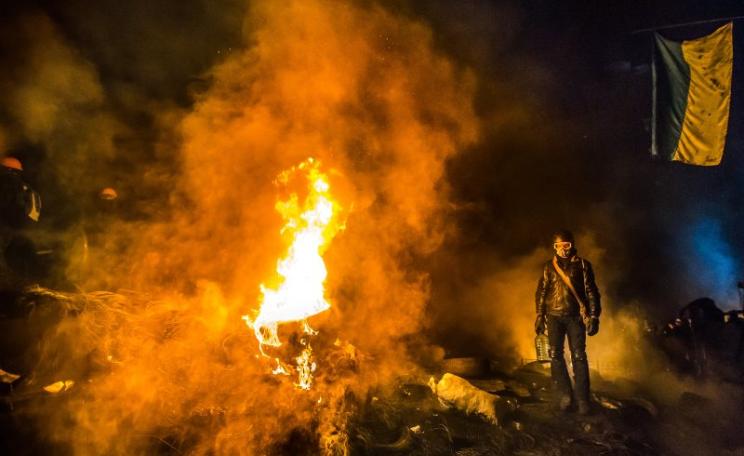
Over a year after violent conflict began in East Ukraine, indications are emerging of its severe environmental impacts in the highly industrialised Donbas region, and the grave health risks to civilians that will endure long into the future. The area will need international assistance both to reduce the hazards, and to 'green' the region's often polluting industries.
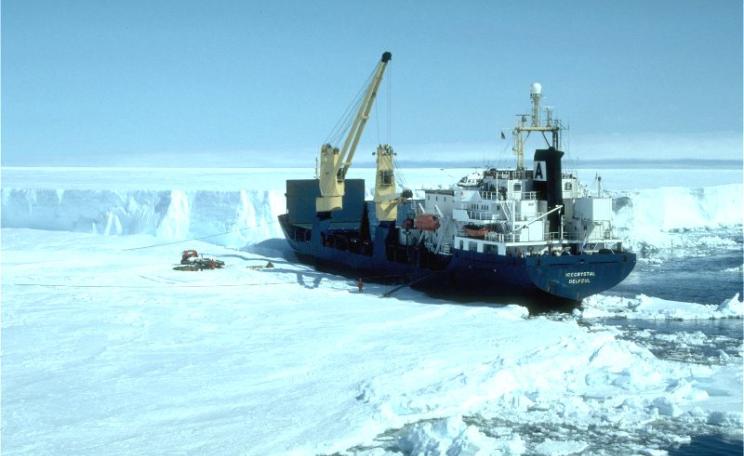
A dramatic shift has taken place in the glaciers of the southern Antarctic peninsula, writes Bert Wouters. Six years ago these previously stable bodies suddenly stated shedding 60 cubic kilometres of ice per year into the ocean. A stark warning of further surprises to come?
The UK government has showered £500 million of its aid budget on 'partnerships' with global corporations that are meant to help the poor, writes Kevin Smith. Surprise - an independent assessment has found that the only ones to benefit were the companies themselves. This ideologically-driven farce must stop now!
Fresh from his surprise election victory, David Cameron is facing calls to expedite a 'free vote' in Parliament to repeal the law that forbids hunting with dogs, writes Chris Pitt. We must make sure our MPs vote to protect wild animals from the horrendous cruelty that resumed hunting would inflict on them.
Germany's 'Energiewende' has made the country a global renewable energy powerhouse. So why have its carbon emissions gone up? Not because of nuclear closures, writes Melanie Mattauch, but because powerful fossil fuel companies have blocked effective climate action. Now the fight is on as public calls to keep the coal in the ground get too loud to ignore.
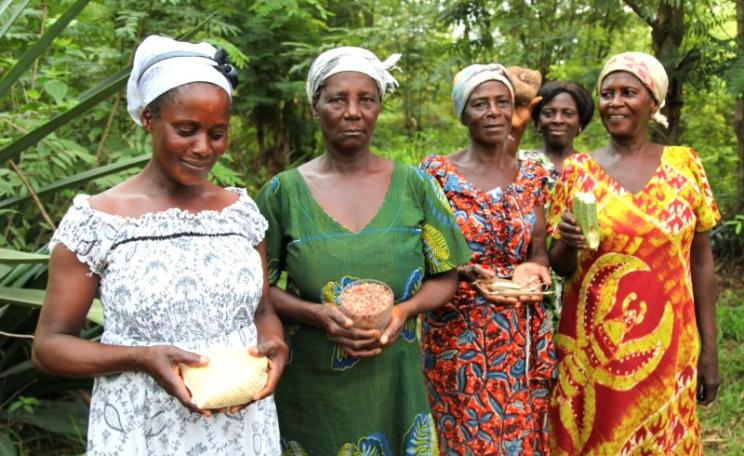
Sharing and saving seed is a crucial part of traditional farming all over Africa, writes Heidi Chow. Maybe that's why governments, backed by multinational seed companies, are imposing oppressive seed laws that attack the continent's main food producers and open the way to industrial agribusiness. But Ghana's women farmers are having none of it.
Greenpeace India is to fight on for another month after a surge of support from allies, new donors and staff, who have pledged to work through June for no pay after the Indian government blocked its bank accounts.
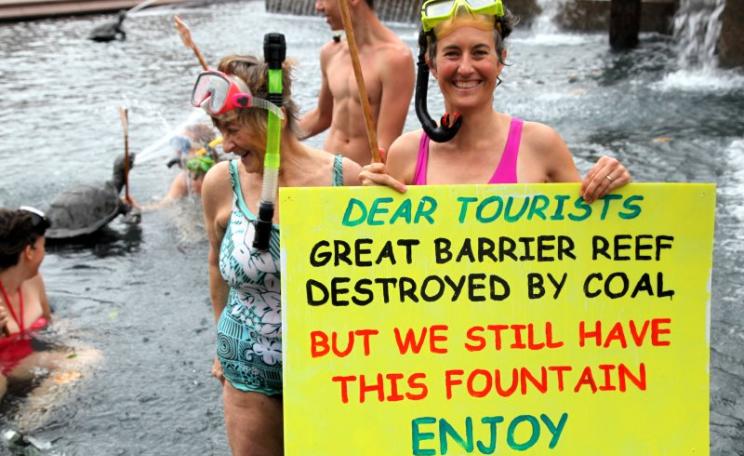
Over the Great Barrier Reef's coral has already been lost, writes Ove Hoegh-Guldberg, and UNESCO is expected to add the site to its 'World Heritage in danger' list. The reef's survival will depend on the world's ability to control carbon emissions. So why is Australia planning to open vast new coal mines in the Galilee Basin?
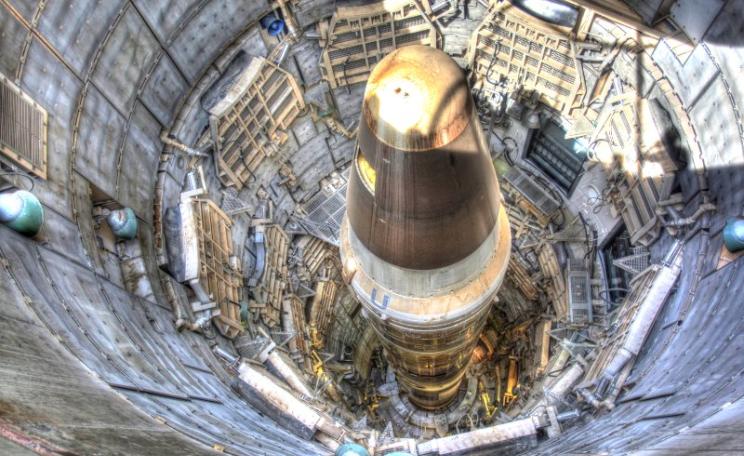
Important developments are unfolding at the Nuclear Non-Proliferation Treaty negotiations in New York this week, writes David Lowry. These include the surprisingly large scale of the US's warhead scrapping, and a grassroots rebellion against the nuclear states led by South Africa. But the UK and its media remain aloof from it all - intent on renewing Trident no matter what.
The Indigenous Peoples of North America are the survivors of a multi-century genocide that was still being deliberately waged in the 1950s and has still not stopped today, Roxanne Dunbar-Ortiz told Stephyn Quirke. But the fightback is on, and for the world to overcome both genocide and ecocide, the indigenous struggle must grow to encompass the mass of humanity.
First the Pepsi-Cola bottling company in south India caused outrage by depleting groundwater. Next it was found to be operating without valid permits.Then as protests grew the company won a High Court order giving it police protection. Now locals are vowing to keep the plant shut for good.
Thanks to TTIP the corporate drive for free trade is once more facing critical public scrutiny, writes Alex Scrivener. But in the rush to oppose TTIP we mustn't lose sight of the context in which the deal is being negotiated - the hundreds of bilateral treaties that give corporations the right to sue in secret 'trade courts'.
Next to McDonalds, Burger King and KFC, Chipotle's Mexican Grill is a minnow, writes Jonathan Latham. But its decision to go GMO-free will ultimately compel all America's consumer-facing food brands to follow suit - because that's what their customers want. Could this be the beginning of the end of GMOs? That's what Monsanto, Dupont, Bayer and Syngenta fear.