The mainstream fashion industry is trapped in a competitive spiral of ever shorter and faster sales and production cycles, writes Ruth Styles - and that inevitably stresses both textile workers and natural resources. But there is another way: the way of 'slow fashion' in which clothes are timeless, beautiful and made to last.
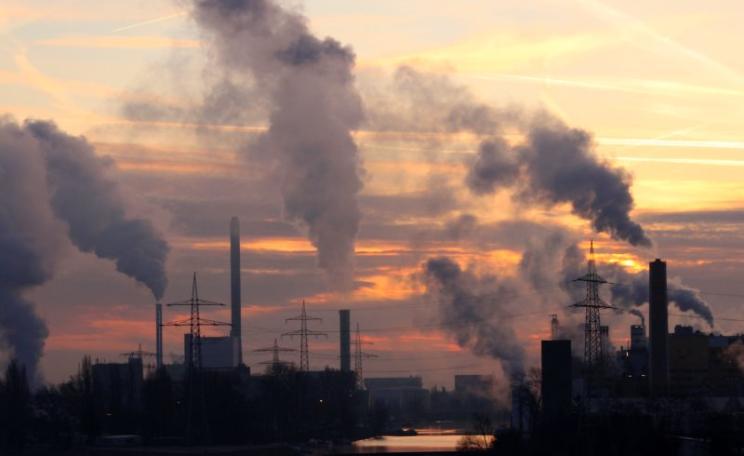
Climatologists have spotted an 'easy hit' to reduce global warming by cutting emissions of short lived forcing agents like soot from dirty power plants, 2-stroke engines and cooking fires, writes Miles Allen. But while we should take action on these pollutants, it must not come at the expense of holding back on cutting emissions of the big long term climate forcer: carbon dioxide.
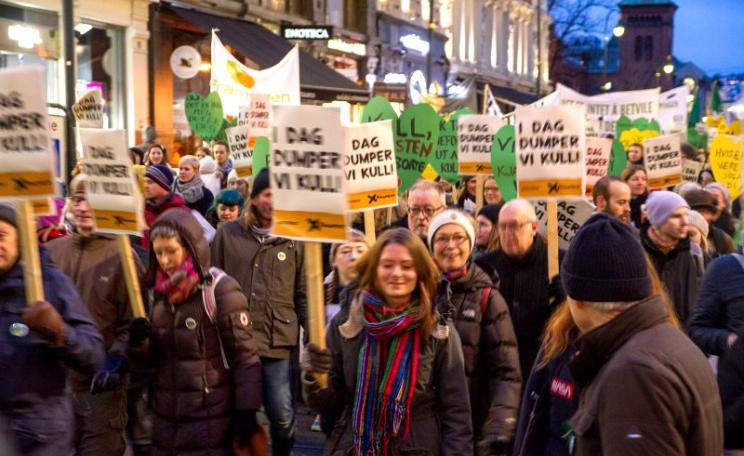
Norway's sovereign wealth fund, worth over $900 billion, has today announced that it will divest from coal, a move expected to force the sale of investments worth $13.3 billion. Campaigners say that other funds have now 'run out of excuses' not to follow suit.
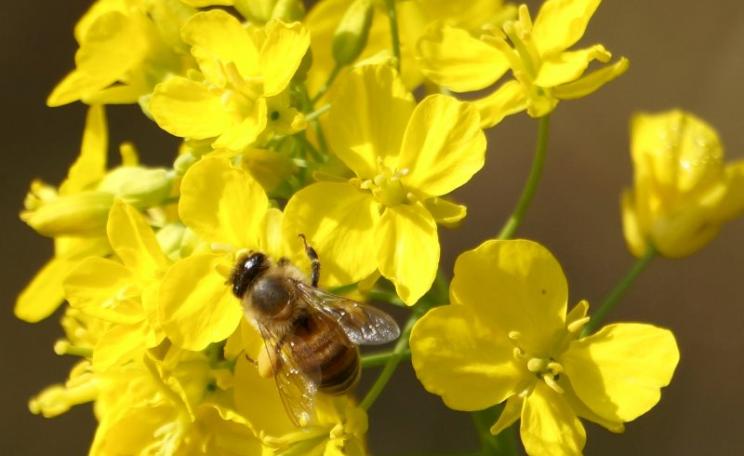
In 2013 the EU imposed a moratorium on three of the most toxic of the neonicotinoid pesticides in an attempt to save wild bee populations. Now farmers have applied to lift the ban, writes Nat Whalley. Time to call on environment secretary Liz Truss, who today receives a 300,000-signature 'save the bees' petition, to say 'No!'
Today UK campaigners against burning biomass for power will deliver a 110,000 signature petition to DECC to protest at government subsidies for the practice. But in this 'Right of Reply' article Matthew Rivers, chairman of Drax Biomass, argues that biomass combustion is sustainable, benign, and helps to conserve forests worldwide.
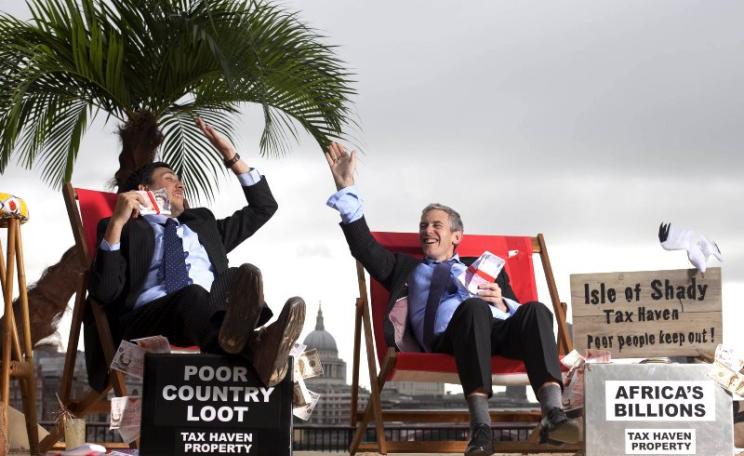
Coroprate tax dodging is costing developing countries $212 billion a year, writes Toby Quantrill, and promised action by the OECD has been a damp squib. Now independent experts have come up with their own answers to the problem - beginning with an end to the 'separate entity' fiction that allows profits to be siphoned to shell companies in zero-tax jurisdictions.
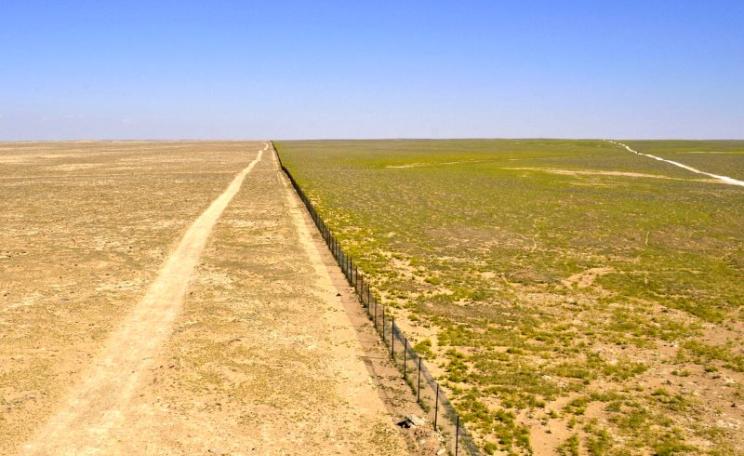
Civil war in Syria is the result of the desertification of the ecologically fragile Syrian steppe, writes Gianluca Serra - a process that began in 1958 when the former Bedouin commons were opened up to unrestricted grazing. That led to a wider ecological, hydrological and agricultural collapse, and then to a 'rural intifada' of farmers and nomads no longer able to support themselves.
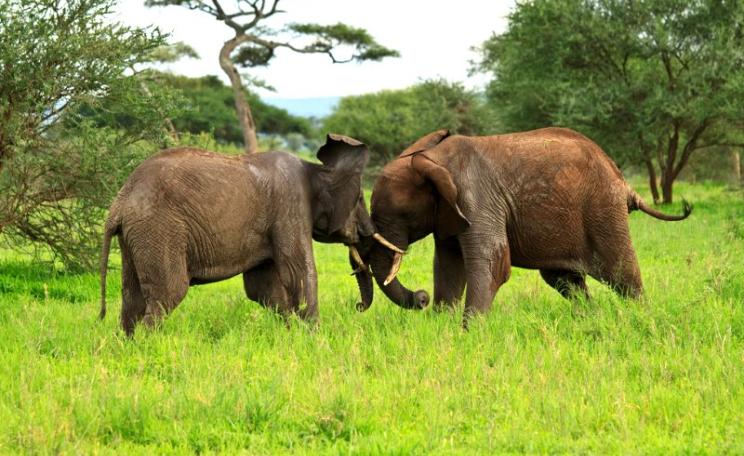
After six months of denial Tanzania has finally admitted that its elephants have suffered a catastrophic 60% decline in five years. But they still refuse to accept it's caused by poaching for ivory, rampant corruption and 'above the law' smuggling networks.
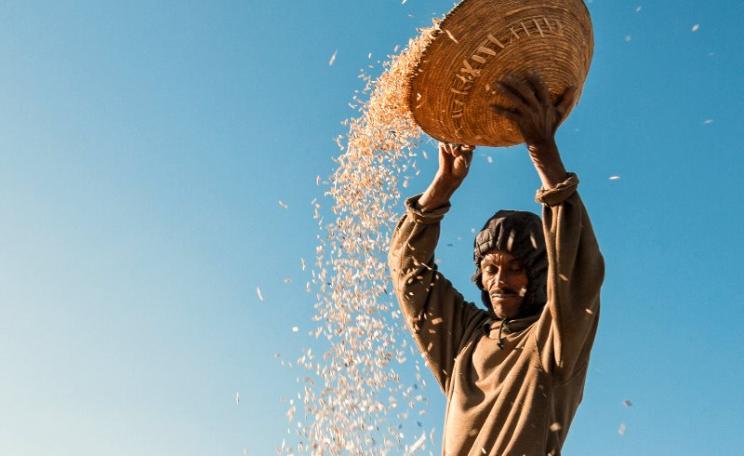
As the G7 leaders prepare to meet in Bavaria this weekend, small-scale farmers from around the world call on them to abandon their disastrous plan for the corporate takeover of global agriculture and the extirpation of small-scale farmers everywhere - those who produce most of the world's food. True food security must be rooted in local control over land, seeds and water.
The Apollo Programme proposed this week to make renewable energy cheaper than coal through technological advances is welcome, writes James Dyke. But the real problems are political, not technological. Unless we back the Apollo vision by challenging the power of fossil fuel companies, it can never succeed.
Lured by promises of aid and investment, African governments are rewriting laws to create lucrative opportunities for corporate agribusiness, writes Chris Walker - while consigning their own farmers to servitude and landlessness. But now farmers are rising up, as in Ghana where a new 'Monsanto law' threatens to end their right to grow, save and share their ancestral seeds.
Solar energy is not just about electricity, writes Anne Wheldon. It's also about heat - and three innovative projects highlighted by the Ashden Awards are showing how solar heat can dramatically reduce the carbon footprint of food processing and farming, while helping agricultural businesses increase profits
Conservation projects have pulled several endangered European birds back from the brink of extinction, but habitat loss, industrial farming, over fishing and climate change all represent growing threats that requires broader and deeper change in the EU and beyond.
Boading, dubbed China's 'greenest city', is the world's biggest maker of solar panels and wind turbines, write Caleb Goods & Carla Lipsig-Mumme. But it's also has the country's worst pollution. Green energy, electric cars and the batteries that power them are great, but with the heavy toxic footprint they carry from mine to factory, we must not delude ourselves that they are 'sustainable'.