100 years ago a new political movement swept across Europe, as a vision of agrarian democracy gripped a newly emancipated peasantry, writes Simon Fairlie. Betrayed by dogmatic socialists and crushed under the Nazi boot, it failed to leave a lasting mark on history. But could its time be coming once again?
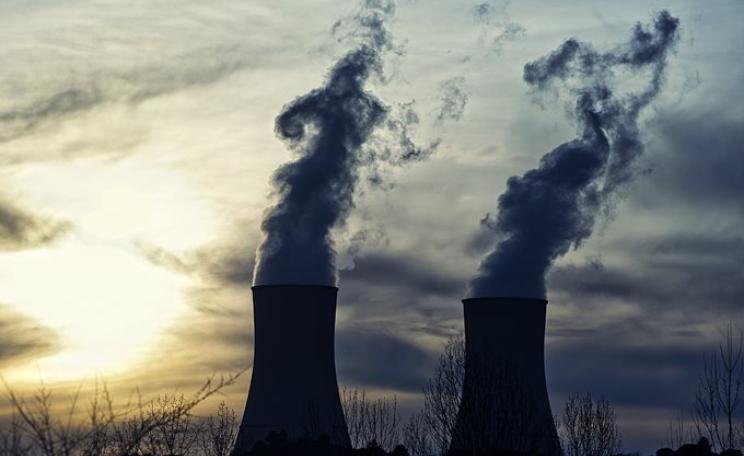
Nuclear advocates must be admired for their optimism if nothing else, writes Mark Diesendorf. Disregarding over half a century of evidence that nuclear power is dangerous, expensive, enables the spread of nuclear weapons, and produces wastes we still don't know what to do with, still they cling to the 1950's dream of 'electricity to cheap to meter'.
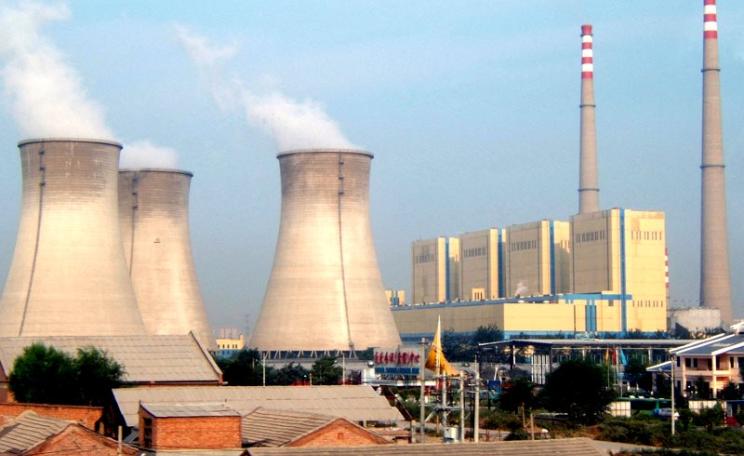
China is struggling with a myriad of environmental challenges, writes Thembi Mutch, as the country 'develops' at breakneck speed with massive construction projects, and industrial expansion. But amid the chaos and filth, the Chinese people are mindful of their history and ancient principles of harmony with nature - something that many are working hard to restore.
The UK's Trident nuclear missile system and the nuclear submarines on which it depends represent a massive danger to the UK due to faulty equipment, gross security lapses and ignorance of operating procedures, writes William McNeilly. This leaves the system open to accidents and terrorist attack, and apparently unable to even fire missiles should the need arise.
The link between nuclear power and cancer is real, writes Chris Busby, and revealed in the UK's cancer statistics - if only you look for it. Previous approaches have focused on rare cancers over large, poorly selected populations. But look at common cancers among those most exposed to nuclear radiation, and the statistical evidence is overwhelming.
Corporate lobbyists and their tame politicians love to present GMOs as being humanitarian in purpose, writes Colin Todhunter - as if they exist only to feed the starving millions. But if that's the case, why are they silent on genocidal land grabs, agrochemical poisonings and the destruction of efficient, productive smallholder farming?
Despite massive clearance of carbon-rich forests for palm oil, cattle ranching, soybeans and other cash crops, writes Tim Radford, a new study finds that the net volume of carbon stored in trees is increasing thanks to their growing numbers on grasslands, on abandoned farmland, and in China.
Cynical western media are pouring cold water on reports of China's declining carbon emissions, writes David Toke. The trouble is, the cross-sectoral statistics that demonstrate the reductions are actually rather convincing. Maybe journalists should be asking different questions - like just how well is the US performing?
Persistent droughts are undermining the self-sufficiency of Maasai communities in the Great Rift Valley and worsening their living conditions, writes Simone Sarchi. Now these fearless warriors are fighting the battle against climate change through adaptation, education and technology, and by making peace with traditional enemies.
The Pope has urged Catholics around the world to sign a new faith-inspired petition calling on world leaders to limit global warming to 1.5C, shortly after declaring that there is 'clear, definitive and ineluctable ethical imperative to act' on climate change.
Today is Nakba day - when Palestinians everywhere remember in their native land, stolen homes, demolished villages and long-lost way of life with grief, anger and a deep yearning that endures from generation to generation, writes Johnny Barber.
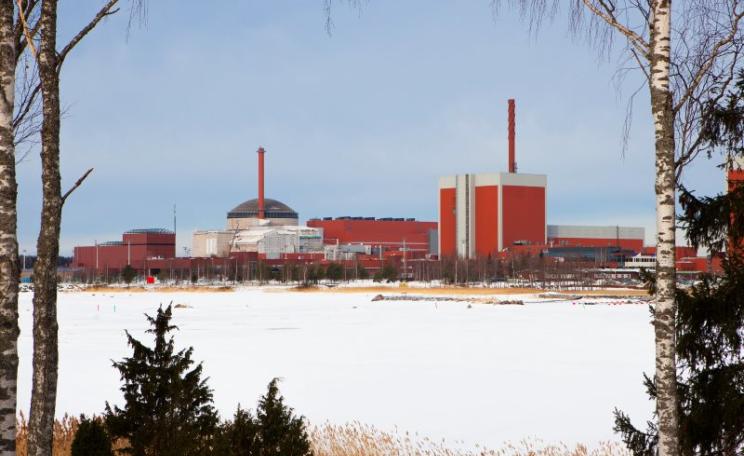
This week Finland cancelled its option for a second European Pressurised Reactor as the existing EPR project sinks into a abyss of cost over-runs, delays and litigation, writes Jim Green. It now looks like the EPR is a failed technology and its owner, French nuclear giant Areva, is fast running out of both money and orders as its 'hot prospects' evaporate.
Some things are beyond measure and beyond price, writes Charles Eisenstein. No amount of money is enough to compensate for the loss of the sacred or the essential - and to pretend that it is, is to capitulate to the very mentality that is driving the destruction of the biosphere.
Arctic warming is releasing ancient organic matter that's been deep-frozen for millennia, writes Tim Radford. And now scientists have discovered its fate: within weeks it's all digested by bacteria and released to the atmosphere as CO2 - with potentially catastrophic impacts on climate.