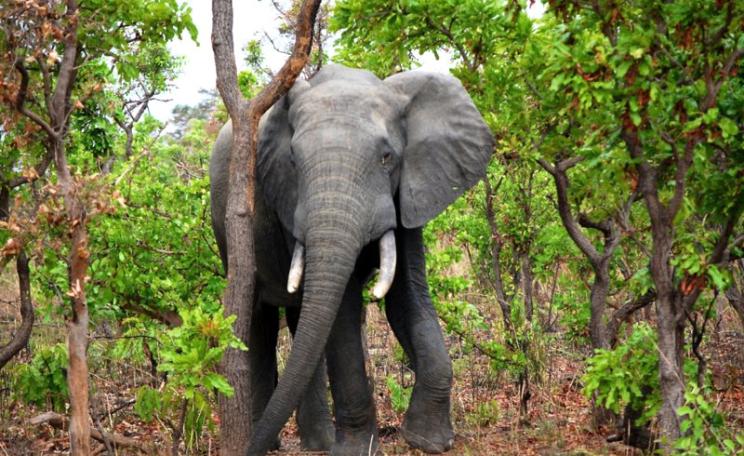
Most of the world's large herbivores - from elephants to gorillas, tapirs and sloths - are at risk of extinction, a new study shows. With most of these species in poorer countries, rich nations should dedicate substantial resources to their survival. But we must also lead by example - by reintroducing them ourselves.
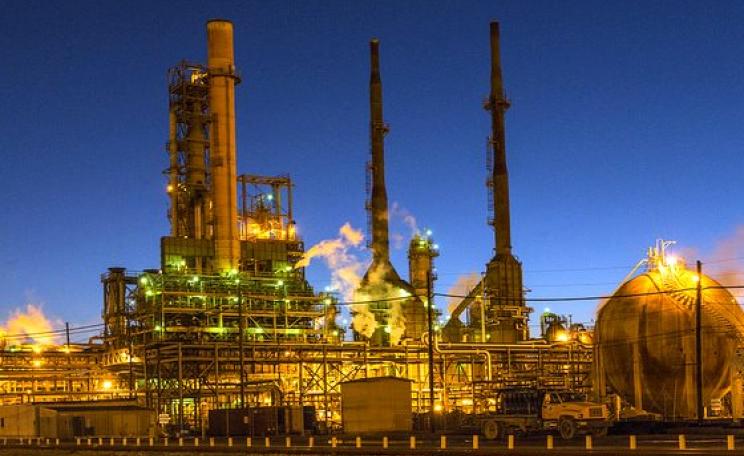
The 'death of peak oil' has been much exaggerated, writes Paul Mobbs. Take out high-cost 'unconventional' oil and production peaked ten years ago, and even North America's fracking and tar sands boom has failed to open up new resources both big enough to make good the shortfall, and cheap enough to reward investors. We really do need to be thinking 'beyond petroleum'.
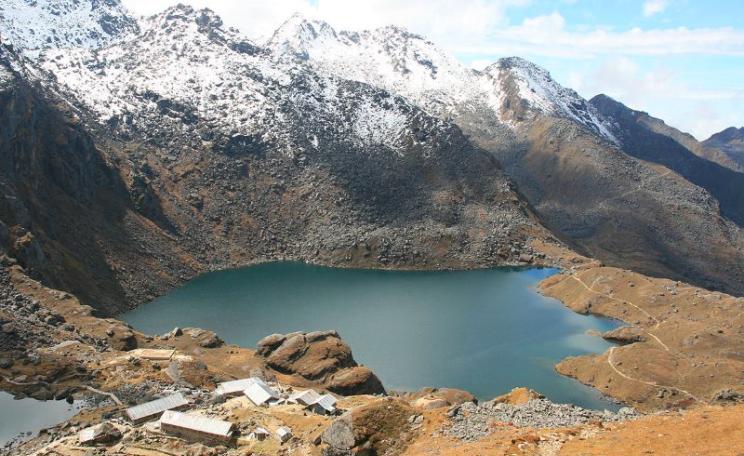
A spate of hydroelectric dam building in Nepal means that future earthquakes could send inland tsunamis flooding down the steep mountain valleys, writes Michael Buckley. Disaster was averted in last month's quake - a badly damaged dam was not yet filled. But despite the risks and the damage to river ecology, tourism and rural livelihoods, there's no sign of any policy shift.
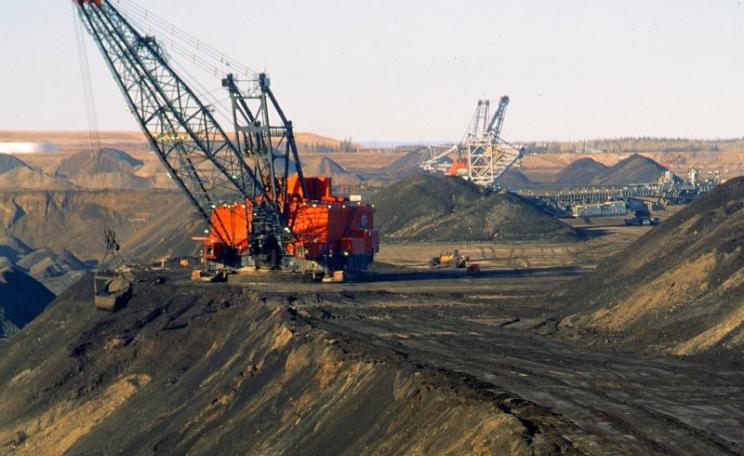
The fracking boom has caused massive vegetation loss over North America's rangelands, writes Tim Radford, as 3 million hectares have been occupied by oil and gas infrastructure and 34 billion cubic metres of water have been pumped from semi-arid ecosystems.
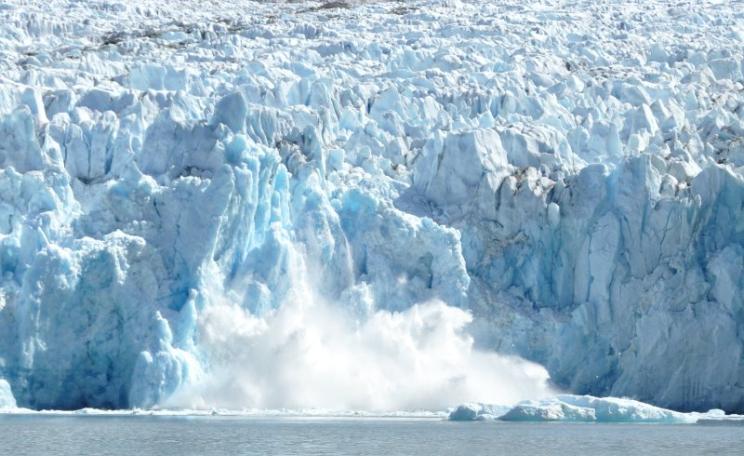
Last election climate change was all the rage, writes David Williamson. But in the current campaign it's hardly getting a look in in spite of melting icecaps, collapsing glaciers, a wave of climate refugees fleeing Africa and serious weather events at home. Now it's up to us to force it onto the election agenda!
Tired of politicians' platitudes, defensive pledges and blinkered vision? As the General Election approaches, we desperately need to expand our discussion of 'the economy' beyond its usual narrow confines, writes David Powell. And if they won't get the ball rolling, he will ...
After the world's warmest year ever governments are pouring trillions into fossil fuels every year and the UK has even created a legal obligation on itself to maximise oil and gas recovery, writes Donnachadh McCarthy. But thanks to the UK's media billionaires climate change has not even figured as an election issue. Join us to protest tomorrow!
The oil industry and oil producers have a long history of market manipulation, writes Karl Grossman, and we see it going on right now with the low oil price that's squeezing fracking and getting America back onto gas-guzzling SUV's. But longer term, solar power is going to win out, and even Saudi Arabia knows it. Its game? To make out big, while the going's good.
Bee 'colony collapse disorder' cannot be ended by easy technofixes, writes Allan Stromfeldt Christensen. The real problem is the systematic abuse of bees in vast industrial monocultures, as they are trucked or flown thousands of miles from one farm to the next, treated with insecticides and antibiotics, and fed on 'junk food'.
Tesla Energy's new mains power battery has just transformed the energy market - giving a huge boost to small scale renewable energy and killing off both fossil fuelled and nuclear power in the process.
The Lobbying Act has left corporations and lobbyists free to argue their case in the election 'debate', writes Adam Ramsay. But the justified fear of legal sanctions has gagged charities and NGOs from speaking out, silencing the very people voters need to hear from most.
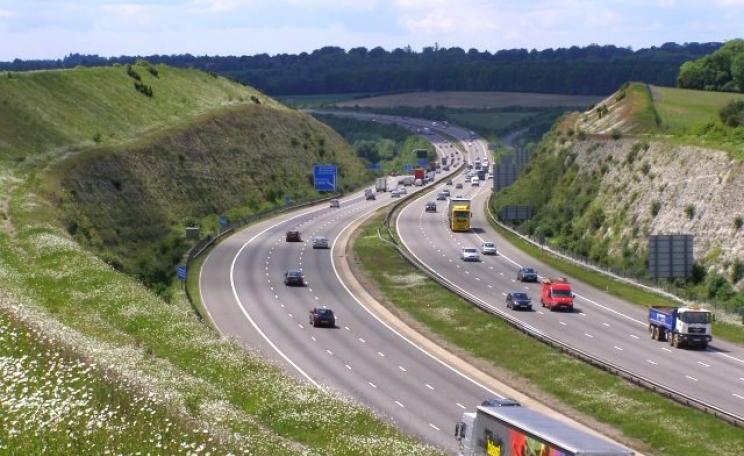
Only one party is challenging the mainstream concensus on transport, write Rupert Read, Sandy Irvine and Bennet Francis - massive spending on roads and HS2, and the little that's left for everything else. It's time to throw away the old thinking and commit to an effective, sustainable transport system that begins with local needs.
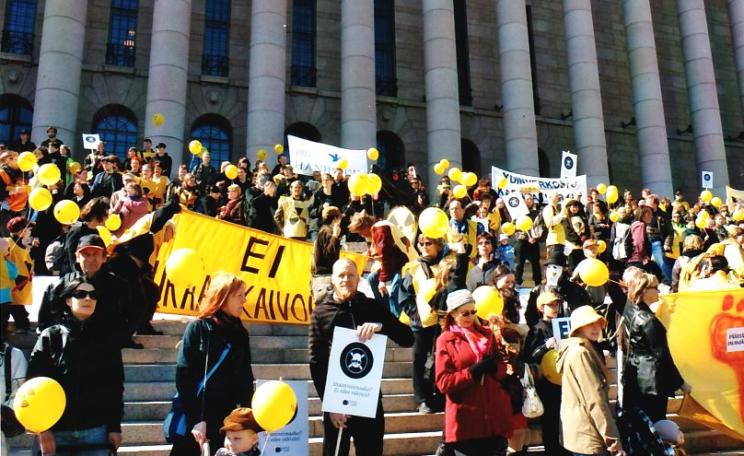
Does Finland suffer from a nuclear death wish? So it seems, writes Ulla Klötzer. Its government responded to the world's two greatest nuclear disasters by ... ordering a new nuclear plant. And as the Olkiluoto nuclear project descended into face and litigation over a disputed €5 billion, they resolved to build two more. This time, supplied by Russia's nuclear weapon-maker Rosatom.
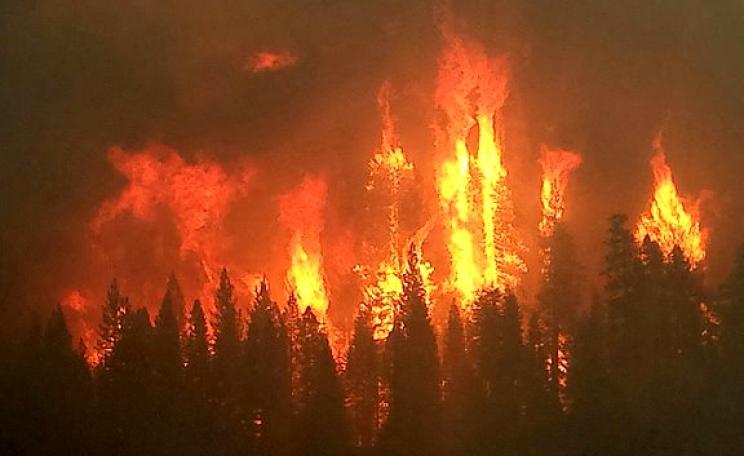
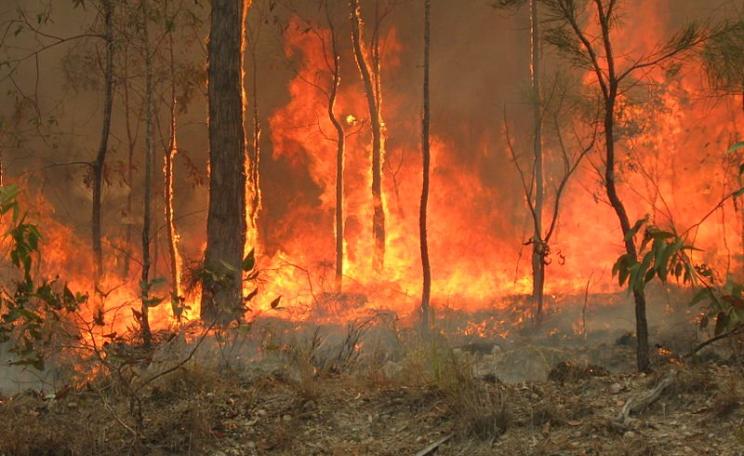
Forest fires raging near the abandoned Chernobyl nuclear disaster site in north Ukraine are releasing a surge of airborne plutonium particles as radioactive twigs, branches and leaf litter burn.
A new WWF report puts eastern Australia among the world's deforestation hotspots, write Martine Maron & Bill Laurance - estimating that 3-6 million hectares of native forest will be cleared there over the next 15 years. Queensland's new Labor government could reverse the destructive policies - but will it turn a new leaf?