The GMO industry has legitimised itself via a vast network of lobbyists and the assiduous capture of the politicians, regulators and scientists that should be holding it to account, writes Colin Todhunter. But as the failure of the GM revolution and its disastrous impacts become ever more evident, the industry's legitimacy is fast eroding away.
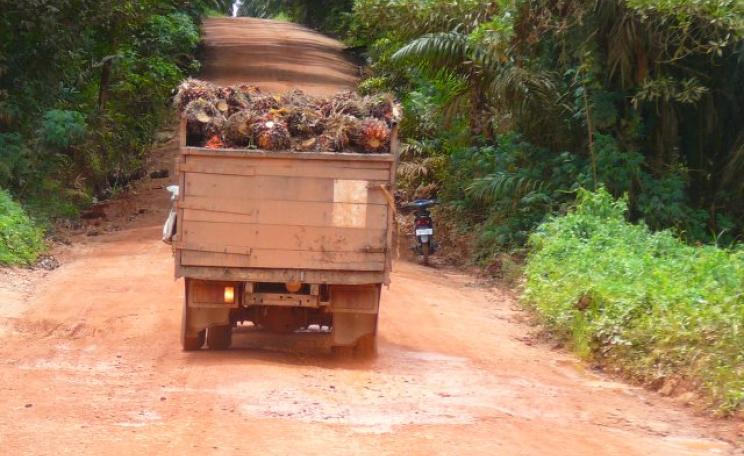
Banks preparing to launch a $400m bond issue for a global palm oil giant with a history of legal violations and broken standards have been warned of their 'high risk client' and the 'extreme and outstanding' social and environmental conflicts in the palm oil agribusiness sector.
The strongly protected marine reserve in Lamlash Bay, Arran, has been a huge success, write Bryce Stewart & Leigh Howarth, with abandant life returning to the once denuded waters. The government's refusal to expand such protections represents a huge wasted opportunity for both fishing and the marine environment.
Hopes of strengthening Britain’s energy security are often pinned on the fossil fuel industry says Vicente López-Ibor Mayor, as exemplified by the hysteria over the claimed 'discovery' of 100 billion barrels of oil beneath Gatwick airport. But the real long-term solution lies with abundant and ever cheaper decentralised renewables.
A coveted award has put the campaign to protect and recover marine life in the Firth of Clyde, Scotland, into the international limelight. Goldman Prize winner Howard Wood explains how Arran Islanders' efforts to keep scallop dredgers out of Lamlash Bay has brought life, and fish, back to the sea.
Forests are the traditional refuge of rebels, dissidents and all who seek freedom from the strictures of civilization, writes Ken Worpole. But for all the idea lives on in our hearts and minds, that role has now been usurped by our cities. Now, just as our forests have been enclosed and subdued, so our cities face a similar fate - one we must resist to preserve our liberty.
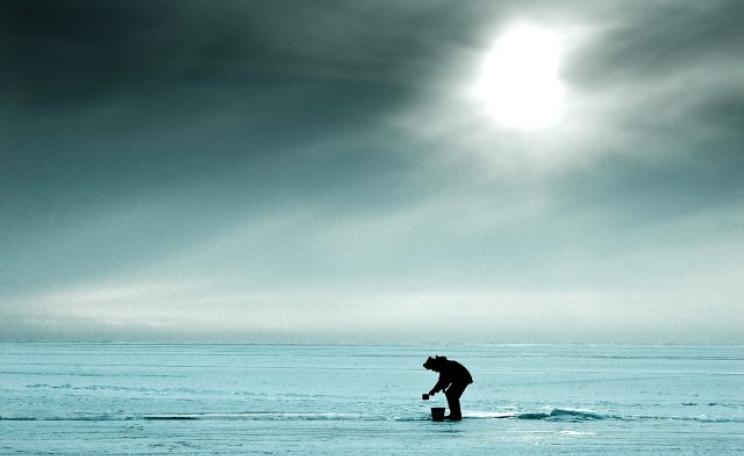
Russia's Lake Baikal is under threat by a massive dam and pipeline on the main river that feeds into it, that would supply mines with power and water, writes Anson Mackay. In line to fund the project? The World Bank.
The World Bank exists to fight poverty. So why does it promote a profit-driven model of agriculture that enriches corporations at the expense of the small farmers who provide most of the world's food, creating poverty by stealing their land and water, depleting resources and undermining sustainable livelihoods?
Malawi, one of the Earth's poorest nations, faces a desperate struggle to feed its people without destroying the ecosystems it relies on, writes Marc Crouch. Poor agricultural practice has left the country with low crop yields and rampant food shortages, however the government and charities are fighting back.
Private water companies have never been more aggressive in their sabotaging of efforts to 'make water public', writes Satoko Kishimoto, with legal threats and challenges launched under 'free trade' agreements. But as citizens worldwide reject corporate water profiteering, the trend of water re-municipalisation has gathered unstoppable momentum.
Now it's Argentina's turn to be sued in a secret 'free trade' court run by the World Bank, writes Nick Dearden. After bringing a profiteering water company that was missing all its service and quality targets back into public ownership, the country has been ordered to pay $405 million 'compensation'.
The world's smart money is piling into renewable energy, solar power in particular, write Tim Radford & Oliver Tickell, as renewables pull away from fossil fuels in terms of both investment and new generation capacity added each year.
Lettuces, peppers and other vegetables grown under 'semi-slavery' conditions in Spain are filling supermarket shelves in the UK, writes Almudena Serpis. Workers are routinely abused, underpaid, sprayed with pesticide, and sacked if they dare complain, an C4News / Ecologist investigation has found. But now they are getting organised to defend their rights.
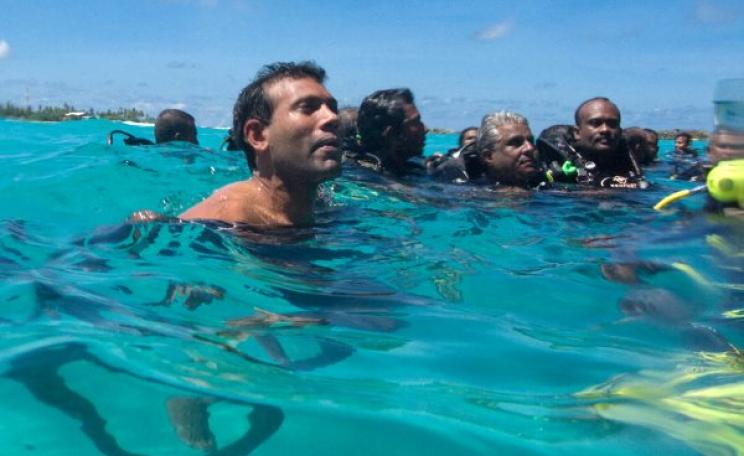
After restoring democracy to the Maldives in 2008 President Nasheed became a world leader on climate change. But four years later the old regime deposed him in a coup, and now he has been imprisoned for 13 years on bogus 'terrorism' charges. Now we must stand with Nasheed - by starving the island state of its tourism revenues.
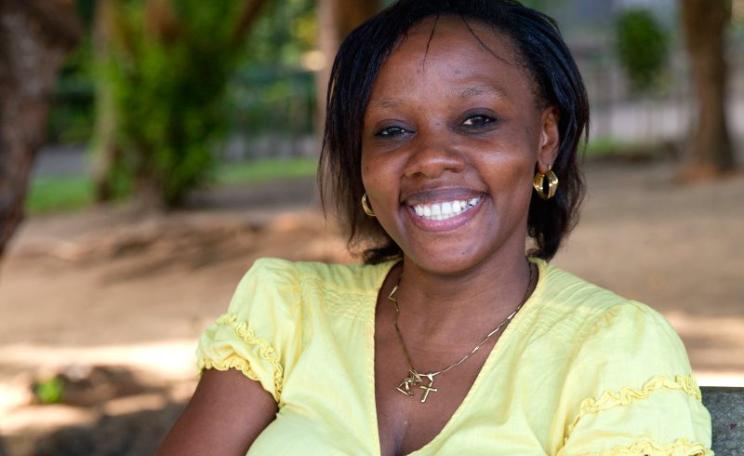
Lead poisoning from industrial pollution has imposed a terrible toll on Kenyans, writes Sophie Morlin-Yron, and single mother Phyllis Omido is no exception - lead from a nearby metal refinery badly damaged her own son's health. But it was when she decided to fight back against the polluters that a whole new realm of threats and dangers opened up.