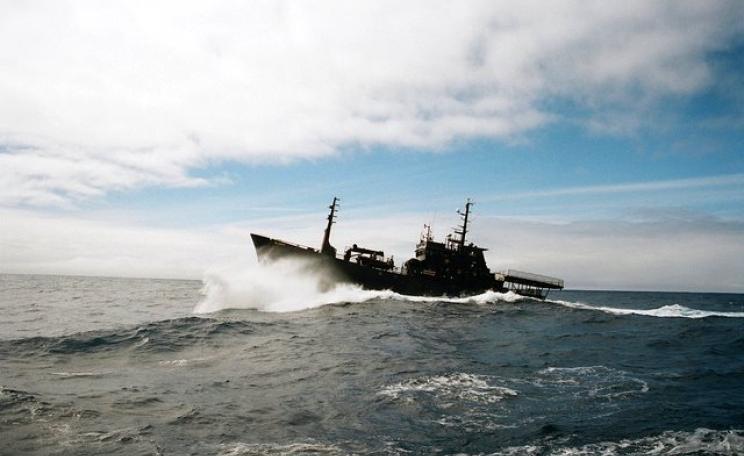
The first year of Sea Shepherd's campaign to close down illegal fishing operations in the Southern Ocean, dubbed 'Operation Icefish' has already led to the detention of two 'bandit' fishing vessels while a third is under pursuit.
Medact, the organization of health professionals for a safer, fairer and better world, has called for a five year moratorium on fracking due to its serious hazards to public health, writes Paul Mobbs. Their new report is a powerful challenge to government policy that cannot be ignored.
Modern agriculture - even among organic farmers - is often seen as a matter of soil chemistry, writes Lynda Brown. But an alternative view is gaining ground: that it's really about soil life. Nurture your soil-dwelling micro-organisms, and your crops look after themselves.
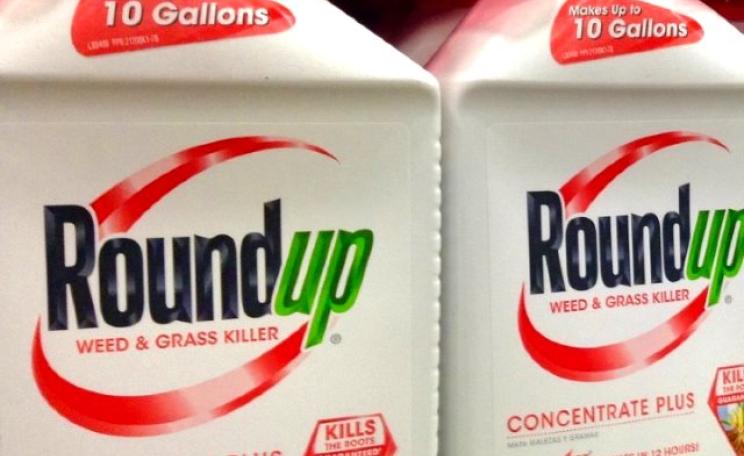
Scientists have discovered that exposure to three widely used herbicides including Monsanto's Roundup and Kamba causes pathogenic bacteria to develop resistance to medically important antibiotics.
Chinese scientists have established beyond doubt that water polluted with nitrite is feeding the worldwide cancer epidemic. But while China is beating cancer by providing new sources of nitrite-free water, Western scientists, regulators and the editors of scientific journals are doing their best to suppress the truth.
Leaked papers reveal that the Trans Pacific Partnership trade deal would represent a historic transfer of power and money from the US and other governments to corporations.
A new government website to promote more sustainable lifestyles is hopelessly lacking in ambition, write Kirstie O'Neill, Adrian Friday & Adrian K. Clear. We need to be re-engineering our infrastructure, re-imagining society and re-thinking the ways we live for disruptive, transformative change - not tinkering ineffectually at the margins of 'normality'.
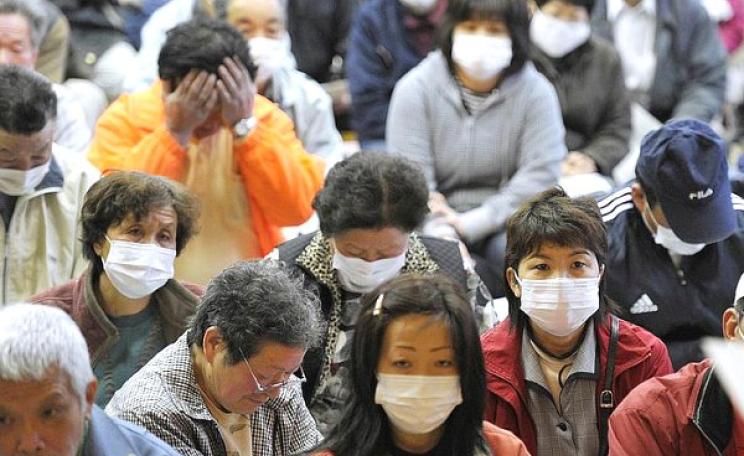
Public opposition to nuclear power in Japan remains strong, writes Jim Green, but piece by piece, Shinzo Abe's right-wing government has been putting the country's infamous 'nuclear village' back in control - boosted by draconian press censorship laws, massive interest-free loans, and a determination to forget all the 'lessons' of Fukushima. Is another big accident inevitable?
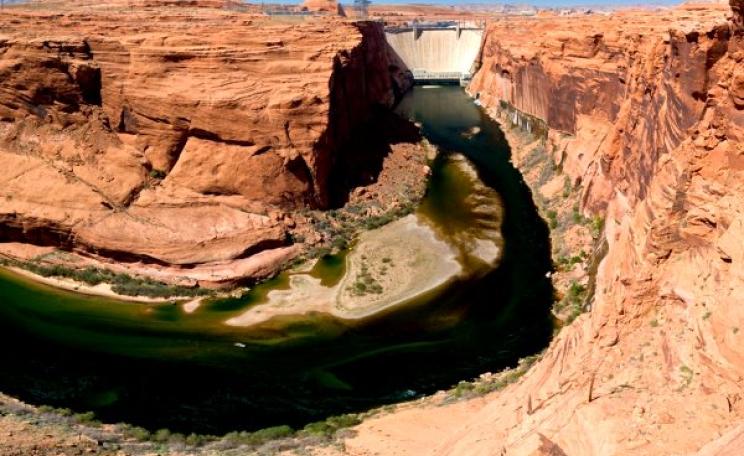
Drought is returning Lake Powell, impounded behind the Glen Canyon dam on the Colorado river, back to desert, writes Grant A. Mincy - and a fine thing too! As nature turns billions of dollars of infrastructural abomination to junk, this creates the chance to reclaim our commons and recreate ravaged ecosystems.
Thirty new heat tolerant varieties of bean - a staple food crop around the world's tropical regions - will help people survive in a world as much as 4C warmer that it is now, writes Alex Kirby - and look: no genetic modification!
A culture of environmental denialism is deeply embedded in the institutions of government, writes Duncan Brack. So how to put that right? How about a powerful new Office for Environmental Responsibility? And an annual 'natural resource budget' complete with bright green box?
Over 18 million people live off the natural bounty of the The Mekong Delta, writes Tom Fawthrop - the source of huge annual harvests of fish, rice, fruit, and one of the world's most productive ecosystems. But now huge dams threaten to strangle the Mekong river and the abundant life it supports, while the world sits idly by.
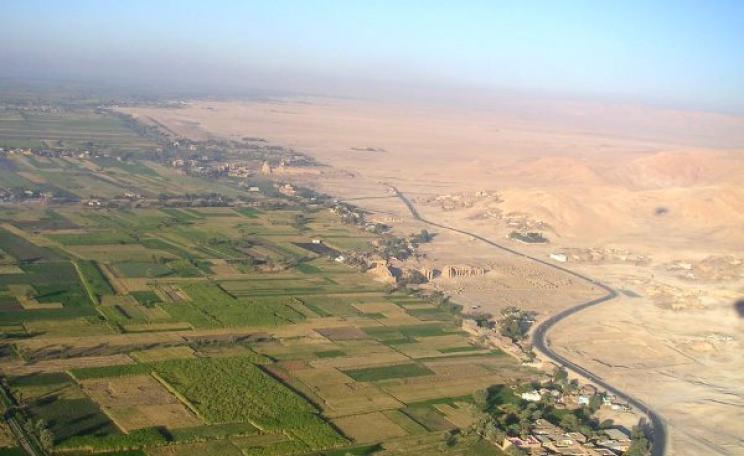
The world is already experiencing water scarcity driven by over-use, poor land management and climate change, writes Nafeez Ahmed. It's one of the causes of wars and terrorism in the Middle East and beyond, and if we fail to respond to the warnings before us, major food and power shortages will soon afflict large parts of the globe fuelling hunger, insecurity and conflict.
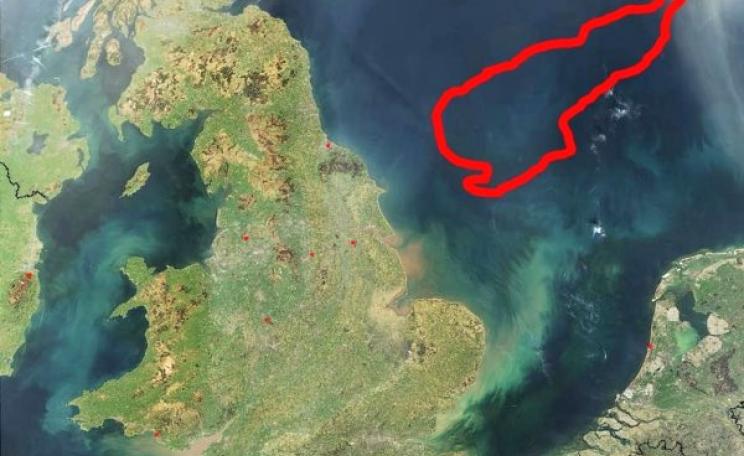
Way out in the turbulent North Sea, the Dogger Bank may seem like an unlikely place to site a large part of Britain's energy infrastructure. But given the stable sea floor, consistent winds, and distance from sensitive neighbours, it could be the perfect place. Even the fish could come to like it!
British MPs have rebuked the government for its secretive and apathetic response to public concerns over the TTIP EU-US trade deal, demanding that nations' 'right to regulate' for health, environment and the wider public interest must stand at the heart of any future agreement.