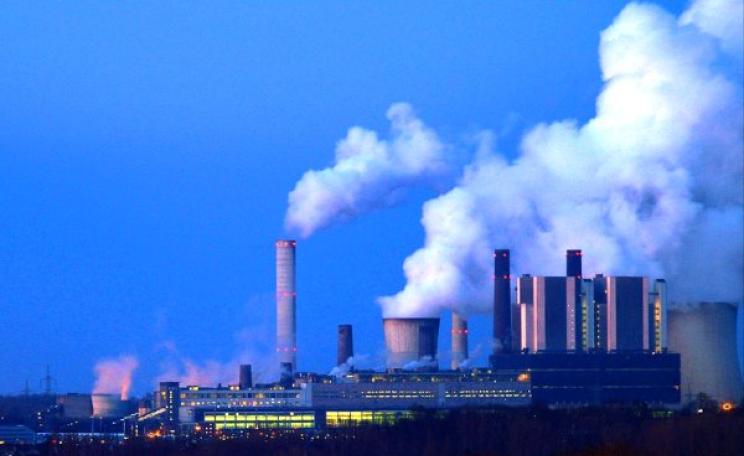
Coal is Europe's biggest source of mercury and sulphur pollution, writes Kyla Mandel, killing tens of thousands of people a year. So how come more than half the members appointed by EU governments to set air pollution standards for coal plants are industry representatives?
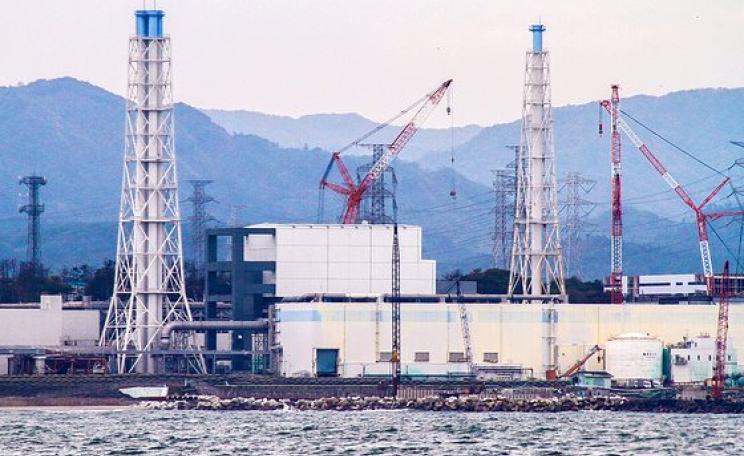
Four years ago today the world's biggest nuclear disaster since Chernobyl took place at Fukushima, Japan. Total clean-up costs are estimated around $0.5 trillion, writes Jim Green - but work to defuse the dangers has barely begun, the site is flooded with radioactive water making its way to the sea, and underpaid and illegally contracted workers are suffering a rising toll of death and injury.
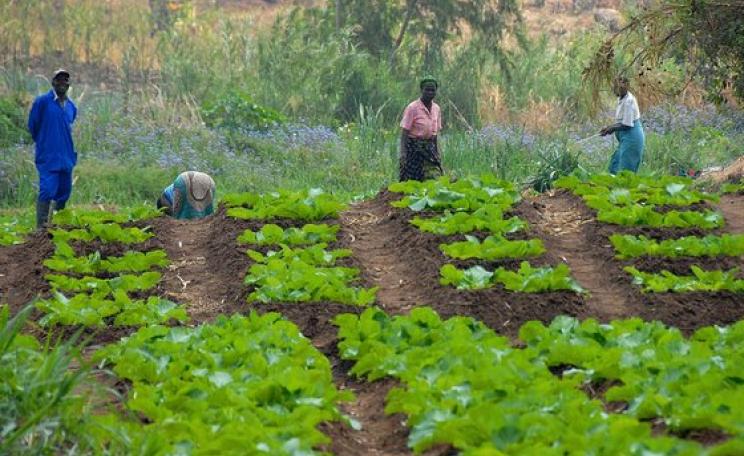
Corporate interests have skewed the entire development agenda for agriculture in Africa, writes Ian Fitzpatrick. Instead of investing in sustainable, small scale farming along agroecological principles that raise production and support rural communities, governments - including the UK's - are backing destructive industrial farming and land grabs.
The Labour Party has launched a new manifesto for wildlife protection, writes Angus Nurse - and a good thing too! But turning the tide for nature will take more than stricter laws and penalties. Ultimately it's about enforcement. And that means prioritising wildlife crime, committing expert officers, and providing resources.
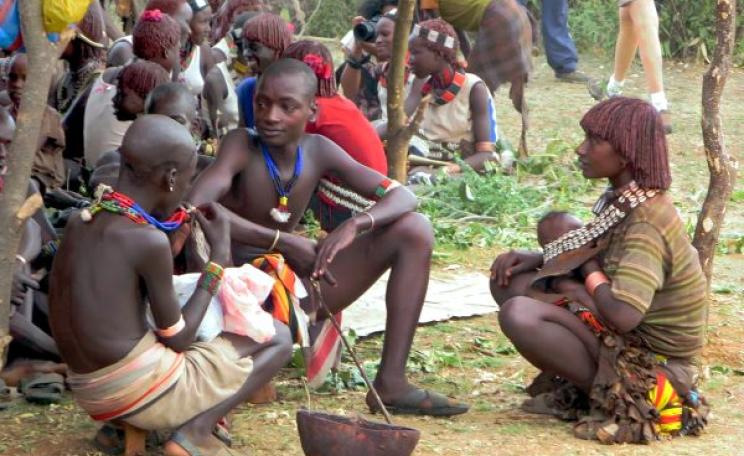
Anthropology, the study of humankind, should be the first of all the sciences our children encounter, writes Marc Brightman, with its singular capacity to inspire the imagination, broaden the mind and open the heart. Moves to downgrade it in the education system by those who know the price of everything, and the value of nothing, must be fought off.
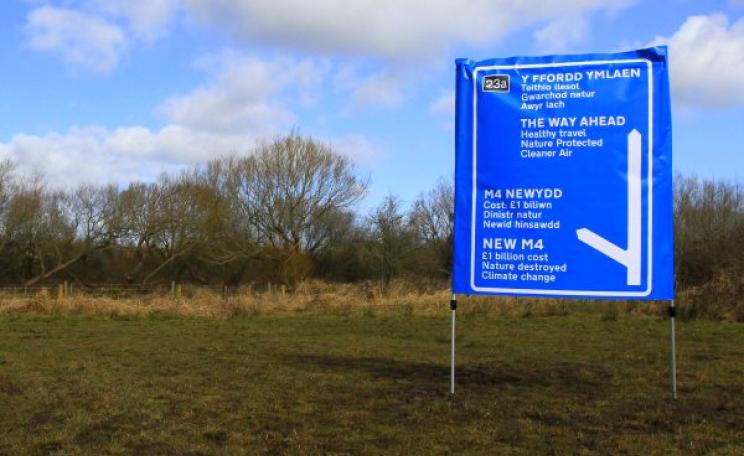
A Friends of the Earth Cymru legal challenge to the Welsh Government's 'irrational' plan to drive a new branch of the M4 motorway across the highly protected Gwent Levels wetlands begins in the High Court today.
Determined to flood 10,000 hectares of precious rainforest for a power station producing a meager 108MW of power, the Cambodian government has expelled a big 'fishbone in their throat' - eco-defender Alex Gonzalez-Davidson, who has galvanized local and nationwide protests against deforestation, land grabs and official corruption.
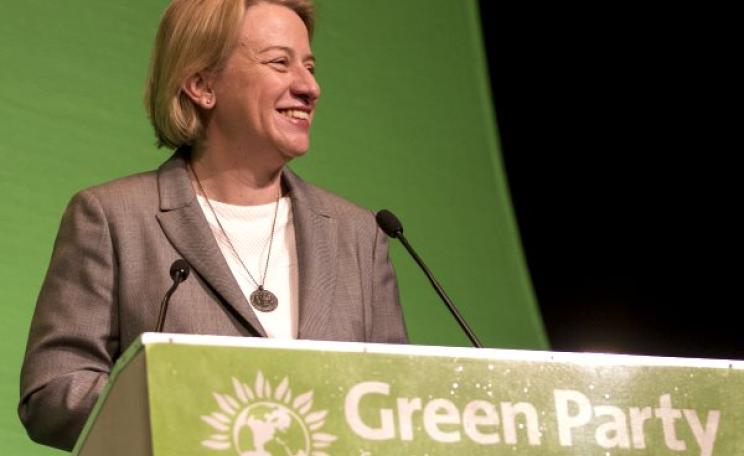
The #GreenSurge - which has seen the Green Party's membership quadruple in a year - has happened for good reasons, says Natalie Bennett: a deep disgust and frustration at 'mainstream' politics and its subservience to vested interests; and the growing yearning for a better, greener, fairer future.
The illegal killing of songbirds on the UK's military base on Cyprus has reached record levels, a study by RSPB has shown, with an estimated 900,000 birds trapped, killed and eaten in autumn 2014.
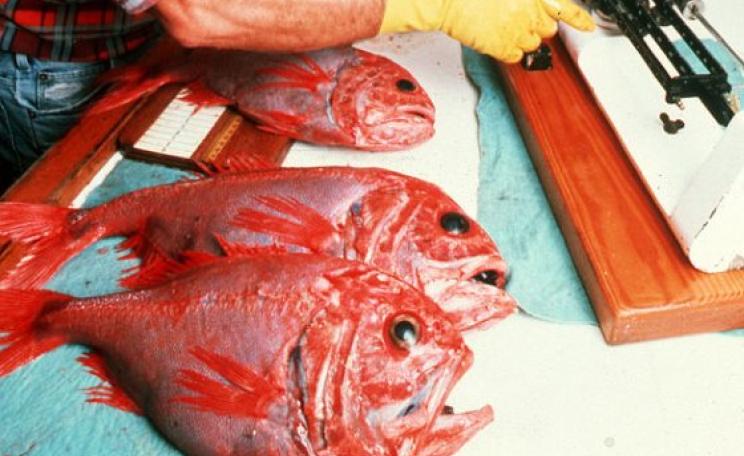
What's the solution to the over-exploitation of fish on the high seas, outside territorial boundaries? Ban it altogether, argues Reg Watson. It would make little difference to the total fish catch, poor coastal countries would reap huge benefits, and the fishing fleet's fuel burn would be slashed. The main losers? Rapacious industrial factory-fishers.
Climate change probably caused the savage drought that struck Syria nearly a decade ago, writes Alex Kirby - and helped to trigger the civil war that has so far claimed over 200,000 lives.
Naomi Klein famously called for a 'grand coalition' of the progressive left to fight climate change and Earth-destroying capitalism, writes Alexander Reid Ross. And now it's happening, drawing together diverse strands that encompass the fight for social and racial justice, the right to work, health, clean air and fresh water, and our freedom to be alive and thrive on this our one planet.
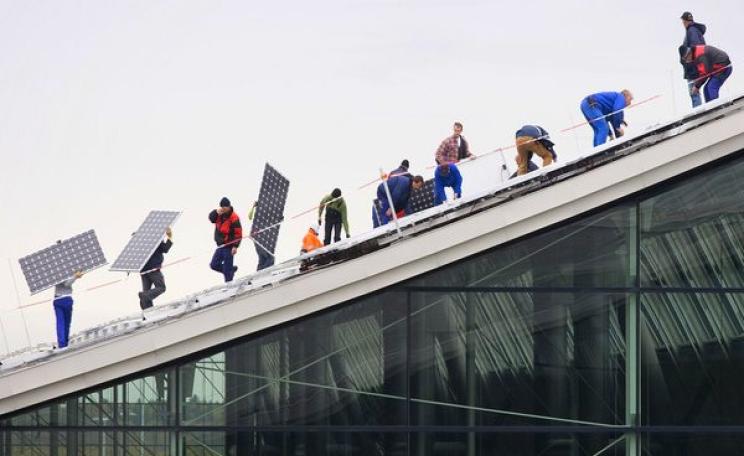
With the Green Party's spring conference kicking off today, Stephen Hall presents a vision of a future energy system for the UK that embodies 'green' in its technology, politics and economics: low-carbon, networked, locally accountable and cooperative. Big Six, move over!
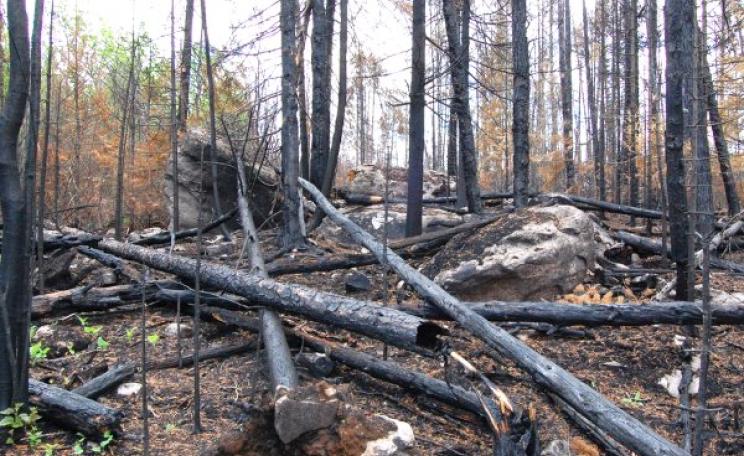
Fire is an essential part of the life-cycle of the forests of the American West, writes George Wuerthner, and the complex, biodiverse habitat that burning creates sustains hundreds of species that cannot survive without it. So please - no more talk of forests 'recovering' after fire - OK?
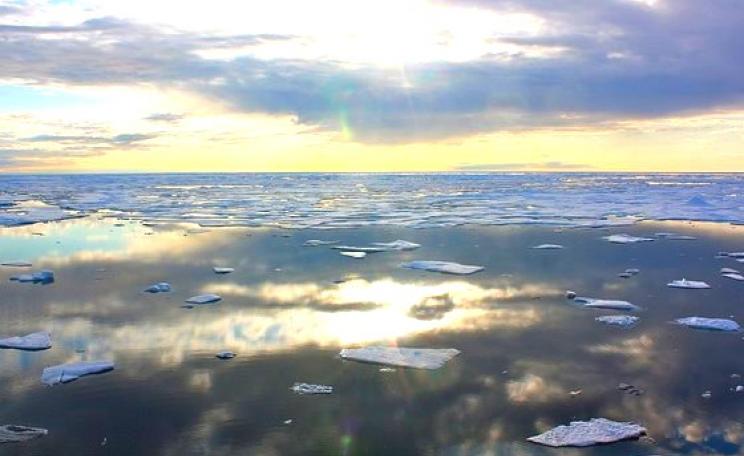
The Arctic Ocean is coming close to complete summer meltdown, writes John Nissen - indeed it could happen as soon as September, triggering a severe deterioration in climate across the northern hemisphere. With fast-rising temperatures predicted in the coming decade, we must act now to save the Arctic, before it's too late.