The UK's troubled Hinkley C nuclear power station faces a legal challenge from Germany's biggest energy co-op, which claims that the subsidy package will distort energy markets across Europe and disadvantage renewable generators and vendors.
Canada's 'Anti-Terrorism Bill' proposes a massive increase in the power of security services, writes Pete Dolack - and in the crosshairs are campaigners against a tar sands industry that's intent on releasing 240 billion tonnes of CO2 into the atmosphere, and those fighting the pipelines needed to get the heavy crude to market. Who are the real 'extremists'?
Naomi Klein's magnum opus on climate change, capitalism and the growing resistance to extreme energy is positive, inspiring and full of hope, writes Jonathon Porritt. But it's also deeply challenging: the 'everything' that has to change is not just government and corporations, but you, me and the ideas that guide our lives.
Whale and dolphin experts from across the world today launched a new campaign at the European Parliament to ban dolphin captivity in Europe, putting an end to a long saga of abuse and exploitation.
Modern industrial capitalism is based on a simple premise, writes Derrick Jensen: our mother Earth is a great store of raw materials for us to pillage, and a vast trashcan for our endless volumes of waste, no matter how long-lived and deadly. How can this be changed? First we must regain our own sanity.
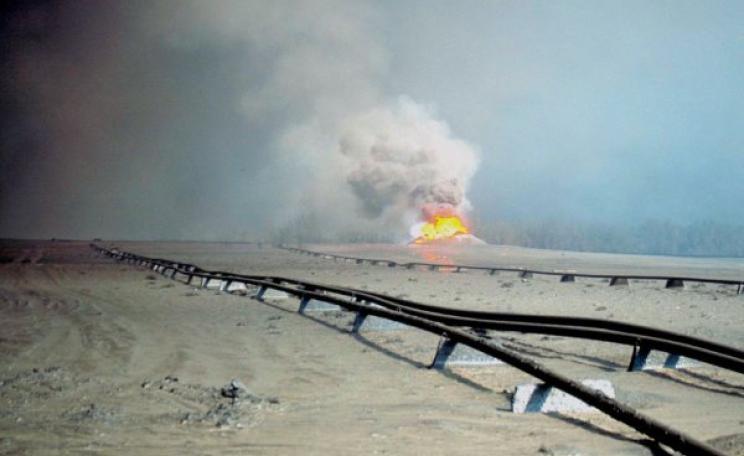
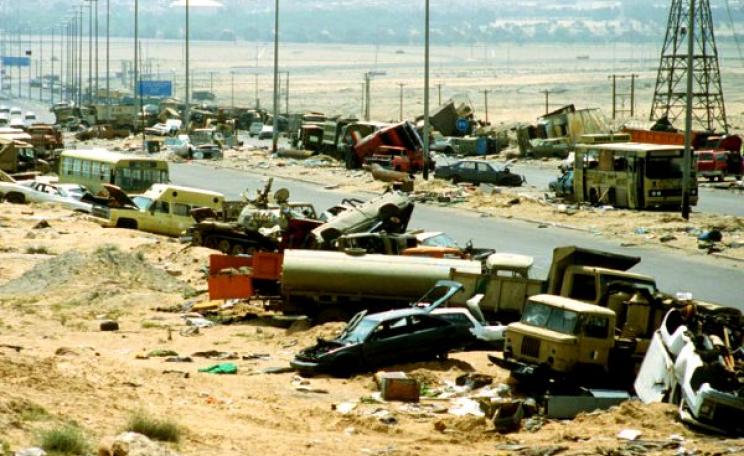
Look beneath the surface of the wars in Iraq, Syria, Afghanistan, Libya, Ukraine, and what do you find? Oil, gas, and contested pipeline transit routes. Never mind high-sounding talk of human rights, national sovereignty, international law and UN Resolutions, writes John Foster - fossil energy is the world's main driver of armed conflict.
A wide-ranging academic study of civil wars in 69 countries from 1945 to 1999 finds that the likelihood of outside intervention increases when the country at war has large reserves of oil, and a potential intervener needs to secure oil imports on favourable terms to meet domestic demand.
The real significance of last night's TV debate was the vigorous assertion of a new progressive politics in Britain, expressed by the 'trimulierate' of female party leaders from the SNP, Greens and Plaid Cymru - the three sharing a positive vision of a green, fair, inclusive future in which all participate in the nation's prosperity.
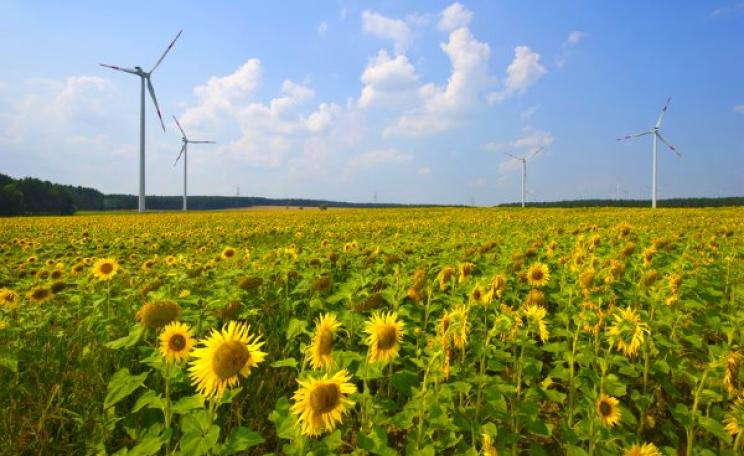
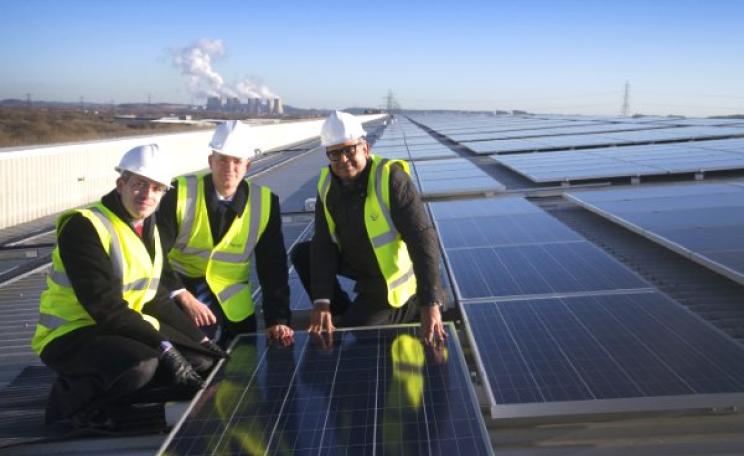
The UK will soon complete a record year for solar installations, almost doubling the nation's solar capacity. But drastic and overtly discriminatory changes to support for renewables may see solar installations collapse to 1% of current levels.
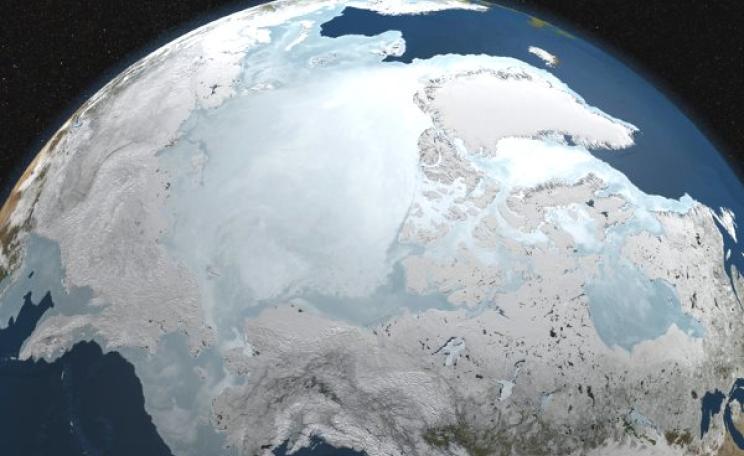
Global warming has been on vacation for a few years, writes Nafeez Ahmed. But that's only because the excess heat - two Hiroshima bombs-worth every second - has been buried in the deep ocean. But within a few years that's set to change, producing a huge decade-long warming surge, focused on the Arctic, that could overwhelm us all.
As we celebrate 'World Wildlife Day' today, there's little for nature's best defenders to be glad of, says human rights lawyer Gordon Bennett. Indigenous Peoples around the world are routinely attacked, starved and cut off from the lands and wildlife they have protected for millennia under a flawed and brutal model of 'conservation'.
China's farming boom has massively increased food production, writes John Dearing - especially of meat. But it has come at a massive cost: the wholesale pollution and destruction of core ecosystems.
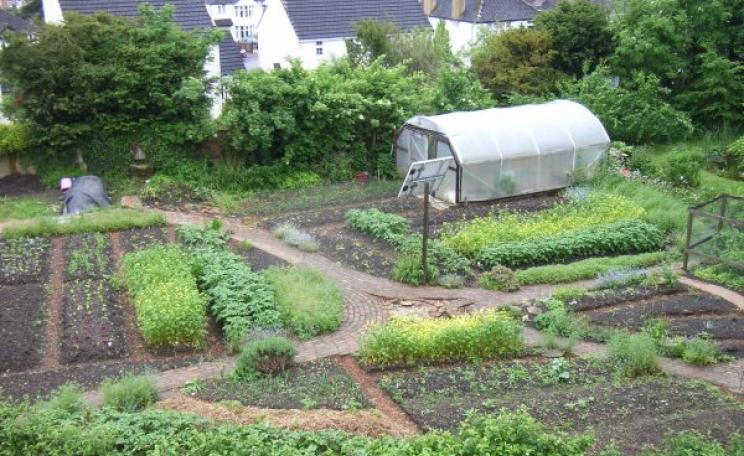
An eight-year research project into the nutrient content of food grown under three different organic gardening systems has left a filing cabinet full of documents, writes Matt Adams. Now he wants to analyse those years of accumulated data, in the hope that they can show the way to richer soils, more nutritious food, and healthier people.
Mainstream climatologists predict a 15% fall in rainfall over the Amazon if it is stripped of its rainforest. But the 'biotic pump' theory, rooted in conventional physics and recently confirmed by experiment, shows that the interior of a forest-free Amazon will be as dry as the Negev desert. We must save the Amazon before it enters a permanent and irreversible dessication.
Thanks to massive deforestation along Brazil's Atlantic coast and the Amazon, São Paulo's reservoirs are at just 6% of their capacity and water rationing is in place. But this is just the beginning of a long term drying process that could be recreated around the world as forests are laid waste and hydrology disrupted.