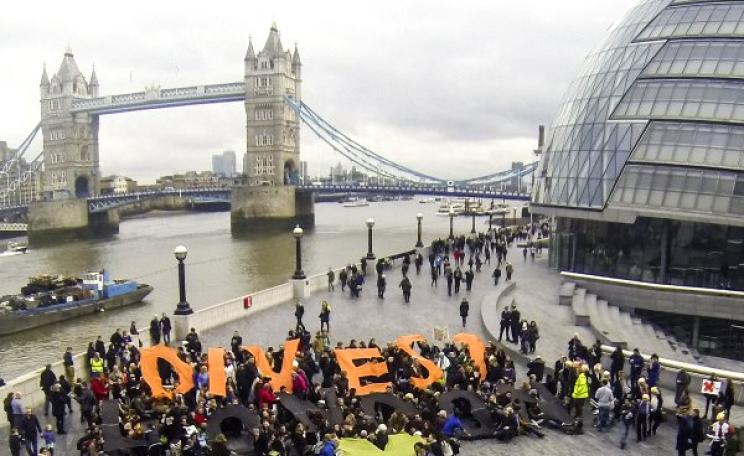
A new coal and biomass-fired power station could soon be built at Drax in Yorkshire, already the UK's biggest coal burner, writes Almuth Ernsting. It comes with a weak promise of possible 'carbon capture and storage' - an expensive, inefficient technology shunned elsewhere. As the Government's nuclear dream fades, could this be its equally flawed replacement?
Indian coal firm Adani is struggling to finance its proposed mega coal mine in Australia's Galilee Basin, write Marina Lou & Christine Ottery, as promised government support evaporates and a major investor looks set to pull out.
David Cameron has called the badger cull is 'probably the most unpopular policy for which I am responsible', writes Dominic Dyer. But unable to break his pledge to landowners and the NFU, he has left Environment Secretary Liz Truss to fudge the issue until election time. Electorally fatal? So events may prove.
What's needed to pull the world's economy out of recession? According to the G20, it's a massive wave of 'infrastructure' development worth as much $70 trillion, writes Bill Laurance. But all the roads, mines, dams, pipelines and 'development corridors' will inflict massive damage on wildlife populations and natural havens, not to mention local communities that stand in the way.
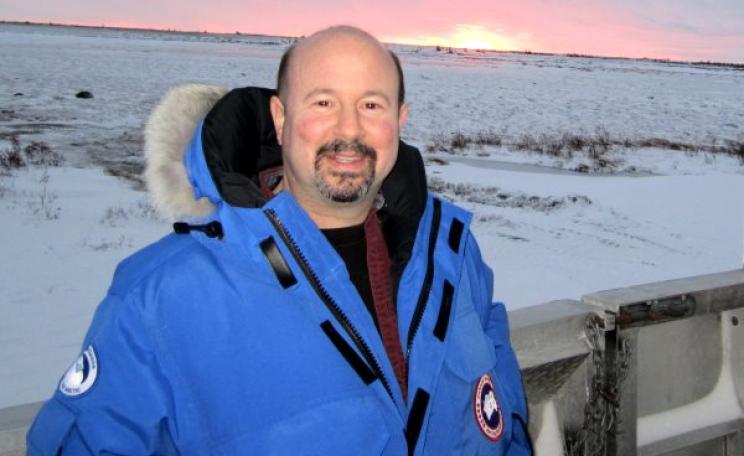
Michael Mann will be remembered as the creator of the 'hockey stick' graph of rising global temperatures, which has put him forever in the crosshairs of climate change sceptics. But as Brendan Montague found, he is a curiously unlikely hero, or villain: rather a dedicated scientist living the American dream, who just happened, to his own surprise, to stumble on something big.
Deep in the Algerian Sahara, the oasis town of Ain Salah is a focus of opposition to a new wave of fracking, with violent confrontations between police and up to 40,000 protestors, writes Alexander Reid Ross. They have two main concerns: preventing pollution to the aquifer that sustains them, and keeping out foreign oil giants like Total and Halliburton.
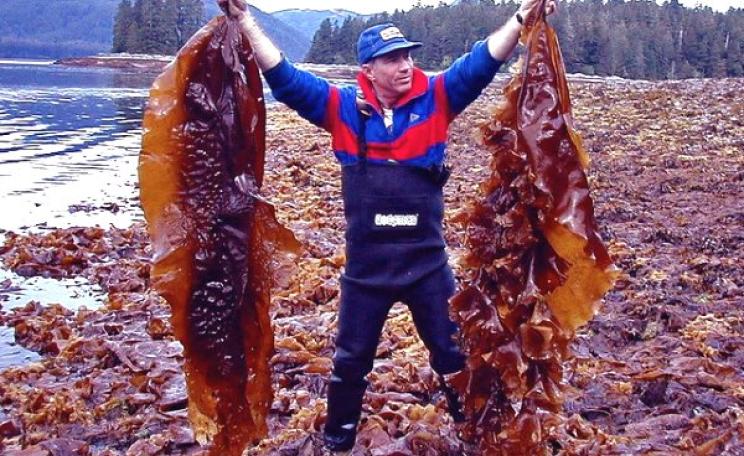
Biofuels are controversial because they are often produced from food crops or grown on farmland, writes Paul Brown, creating extra pressure on land and forests. But a common algae found in abundance around coastlines and clogging up beaches may be the answer.
The global epidemic of violence against women and their systematic exclusion from the power structures that rule us are integral to man's violent exploitation of Earth and her resources, writes Nafeez Ahmed. The fight to save the Earth must begin with the empowerment of women - and that means ending our complicity in their oppression, and servitude.
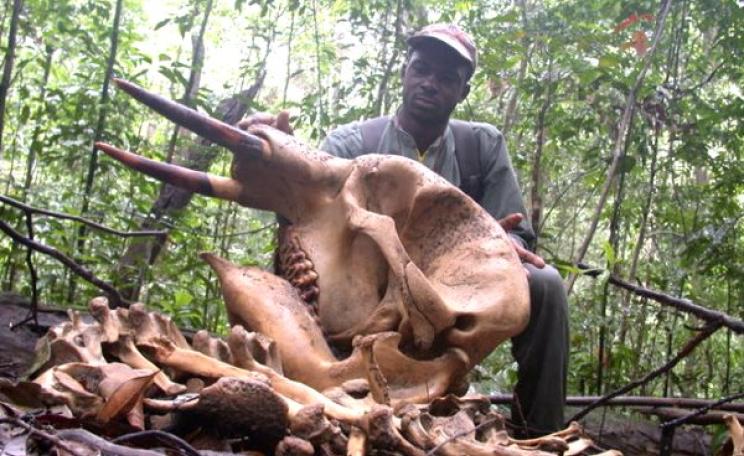
The Kwegu people of Ethiopia's Lower Omo Valley are facing starvation because of the loss of their land to a huge sugar plantation, the destruction of their forest and the damming of the Omo river - supported by a UK, EU and World Bank funded 'aid' program.
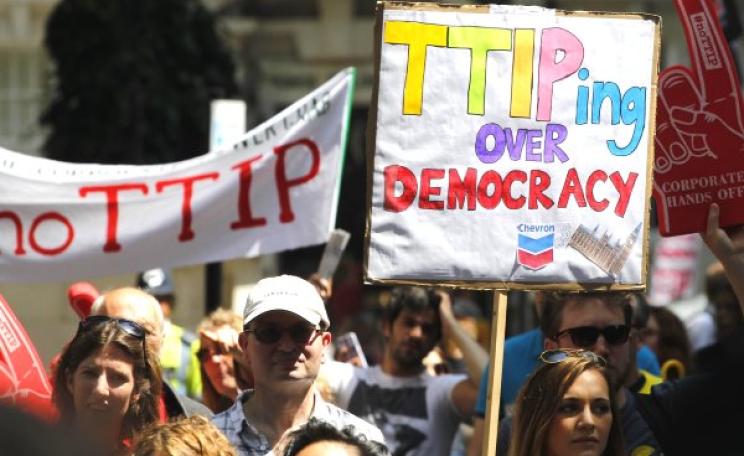
There's only one principle behind TTIP, CETA and other 'free trade' agreements, writes Conor J. Lynch. And no, it's not 'free trade' but 'corporate profit' - at the expense of consumers, taxpayers, environment, workers and democracy itself.
Chemical giant Bayer has failed in its attempt to sue Friends of the Earth Germany over its claims that its pesticide Thiacloprid harms bees. Now pressure is growing on the EU to add the neonicotinoid to the three already banned.
Members of the London Assembly yesterday voted for the London Pension Fund Authority, worth £4.8 billion, to ditch all its fossil fuel investments over a 5-year period. The vote is non-binding, but the huge 15-3 margin puts strong pressure on London Mayor Boris Johnson to follow through.
Under the ceasefire between Israel and Hamas last August, Gaza's fishers were meant to be able to work up to six miles from the coast, writes Charlie Hoyle. In fact, Israel is routinely attacking boats within the zone, arresting fishermen, and seizing boats and nets, never to be returned. Only last week, one fisherman was shot dead after allegedly straying over an invisible boundary.
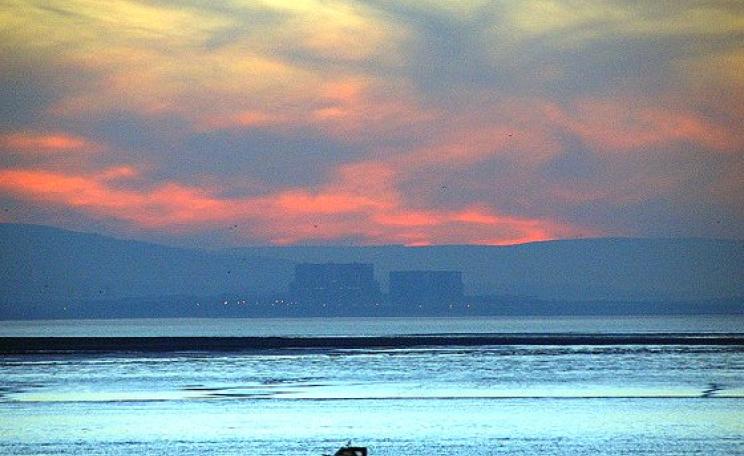
The Hinkley Point C nuclear power plant never made sense, writes Jonathon Porritt, but as legal challenges gather, finance fails to materialize, the cost of renewable energy keeps on falling, and the 'dead duck' EPR design is prepared for burial, even nuclear fanatics are turning against the doomed project.
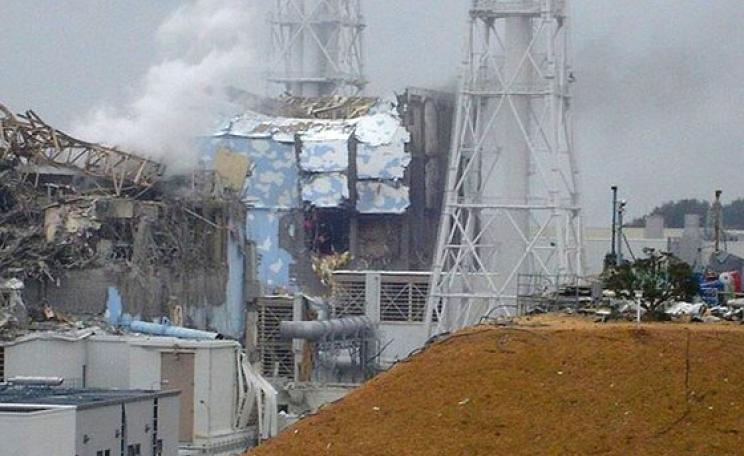
The Fukushima catastrophe four years ago today was no natural disaster, writes Arnie Gundersen. Operator TEPCO and nuclear regulators were well aware of the danger of tsunamis, but put money before safety. Nuclear power remains the only energy source that can destroy a country overnight - and it's time to ditch it!