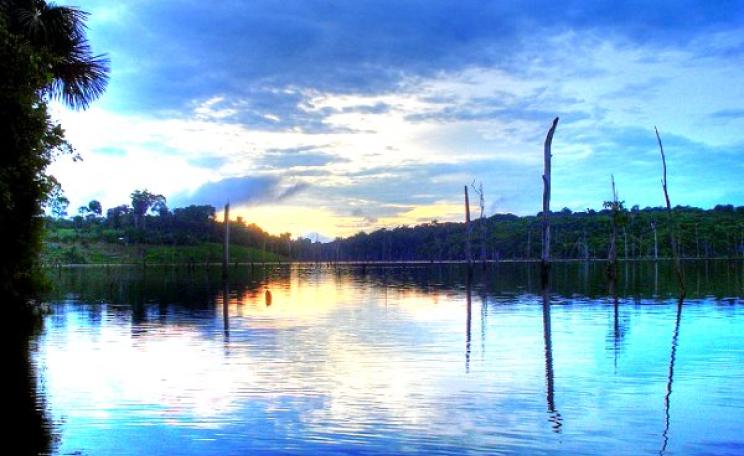
Without water to feed its hydroelectric dams, drought-hit Brazil is turning to solar power - dubbed 'a fantasy' by the country's president just a few years ago, writes Jan Rocha. Now thousands of megawatts of floating solar panel 'islands' are to be installed on dam reservoirs.
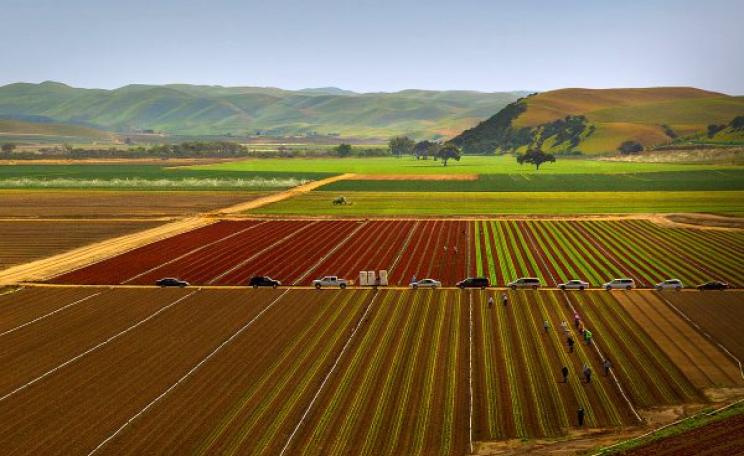
California has responded to the drought by rationing water, with $500 fines for domestic 'water wasters', writes Evan Blake. But agribusiness and water-intensive industries like fracking remain untouched by the restrictions, even though they consume over 90% of the state's water.
Radical hope is not just about determination and courage in the face of darkness, writes Paul Hoggett - it is also about love and a re-finding all that is benign in the world. And this is the spirit we need to muster to confront the serious challenges that lie before us - in the Paris climate talks and beyond.
Our system of money created by banks for their own profit is no longer fit for purpose, writes Duncan McCann. We need new money systems designed for sustainability and wellbeing that allow us all to achieve financial security and freedom from debt - not just the super-rich1%!
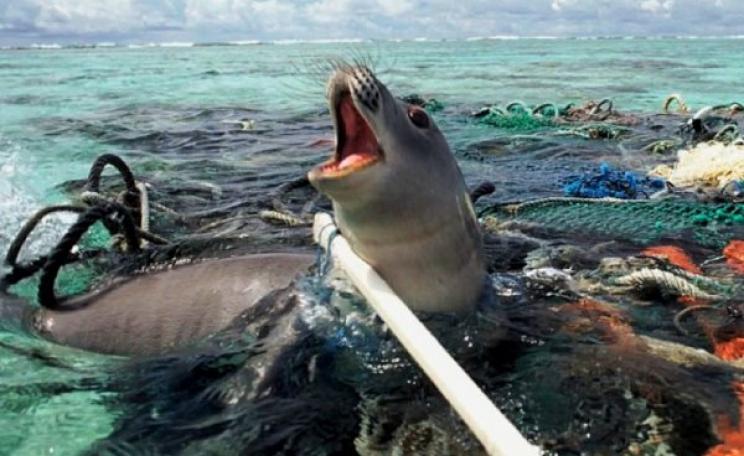
An unimaginably large volume of plastic debris is reaching the world's oceans every year, write Britta Denise Hardesty & Chris Wilcox - and it's set for a ten-fold increase over the next decade, adding to the already terrible toll on marine life from turtles to seals, sea birds and fish. The solution must be to give waste plastic value - if we can find a way.
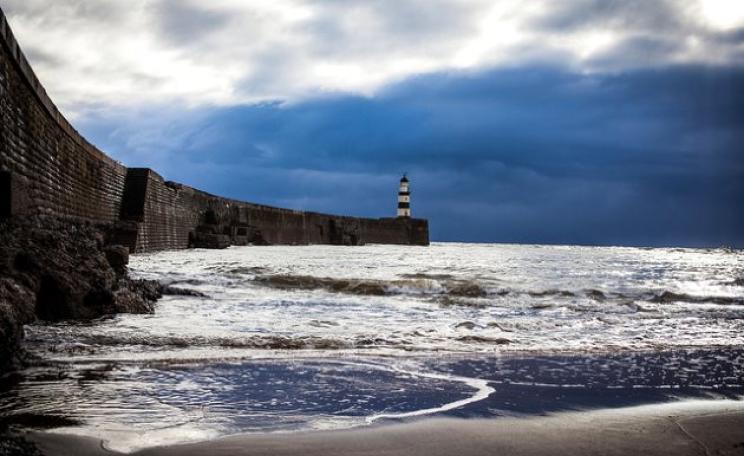
After over a century of coal ash and colliery waste dumping, the Tyne and Wear coastline is no stranger to industrial pollution. But soon a horrific new technology - underground coal gasification (UCG) - will endanger human health and the environment, backed by unflinching Government support and generous lashings of taxpayers' money.
Easter is a time when - chocolate munching aside - it's still possible to take a step back from consumer-capitalism, writes Frederick Trainer, and pause to think where it's getting us. The sad fact is that so long as society is driven by consumerism, our society can never be ecologically sustainable or just.
A survey of threatened Arctic mammals highlights melting sea ice as a prime threat to eleven keystone species, writes Tim Radford - meaning that efforts to conserve them may be doomed to failure unless we also tackle the causes of climate change.
In the last act of the dying Parliament, MPs quietly voted to dump democratic planning processes to expedite a 'facility' for the high level nuclear waste in geologically fractured Cumbria, writes Marianne Birkby - so over-ruling strong and highly effective local opposition. Shame on them!
Thanks to pro-GMO politicans and lobbying by powerful agribusiness interests the UK and other EU countries may soon find supermarket shelves flooded with GM foods, both imported and home grown, writes Linda Kaucher. We must press parliamentary candidates now to defend us from this serious and long-term debasement of our food and farming.
Ever since its creation in 1970 the US-EPA has been a failing organization, writes Carol Van Strum in her review of 'Poison Spring' - serving the corporations it was there to regulate, falsifying data, suppressing the truth about pesticide toxicity, and crushing whistleblowers.
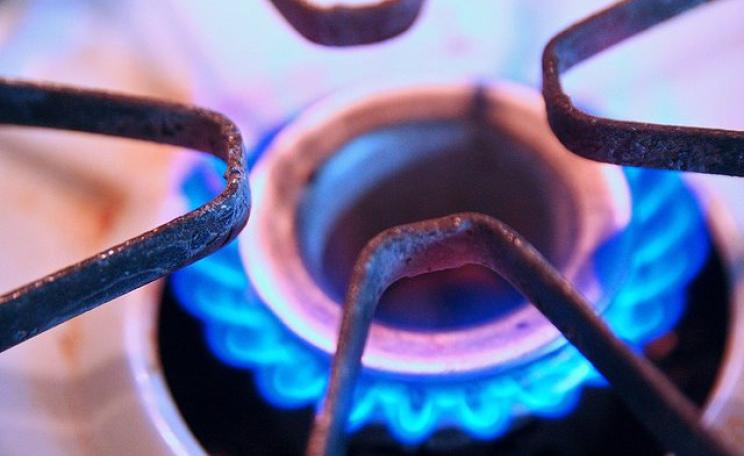
The Guardian Media Group is to divest its £800m fund from fossil fuels over five years. The terms of its promise appeared to leave the door open to natural gas and fracking, But GMG now insists that it aims to ditch all fossil fuels within five years.
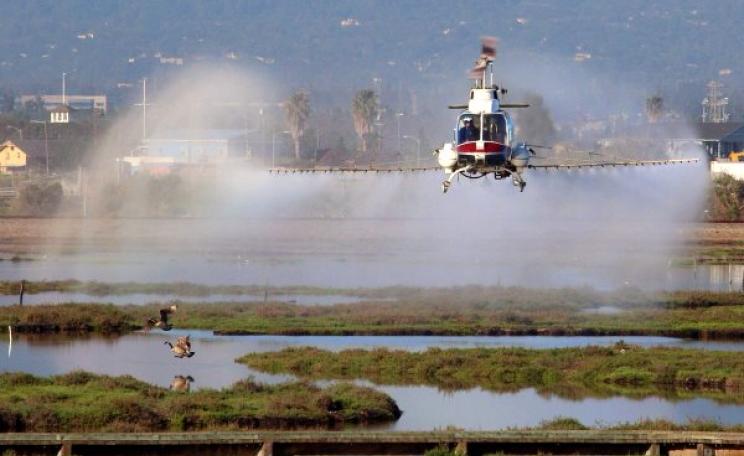
The US Environmental Protection Agency has just failed farm workers and their families by refusing to ban a neuro-toxic pesticide that causes severe brain damage in utero and to exposed children, writes Patti Goldman - imposing only weak, inadequate restrictions based on flawed science. It must do better!
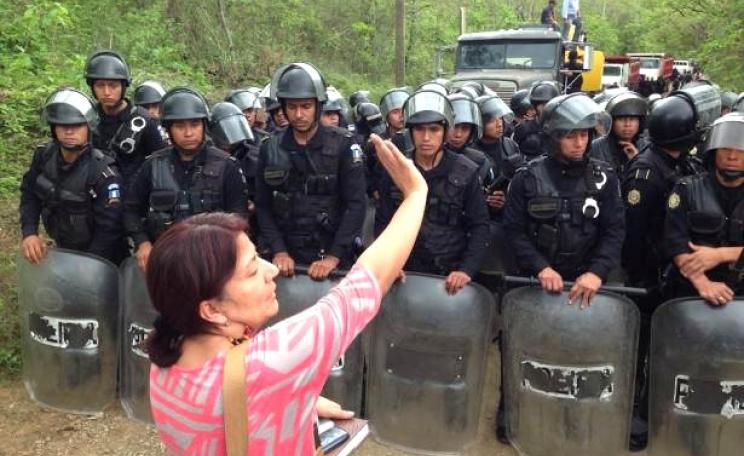
For over two years the small community of San José del Golfo has maintained a 24-hour barricade against the US-owned mine El Tambor that threatens to destroy their land and water. The non-violent resistance, led by women, is transforming the traditional 'macho' culture, and attracting support across Guatemala, and beyond.
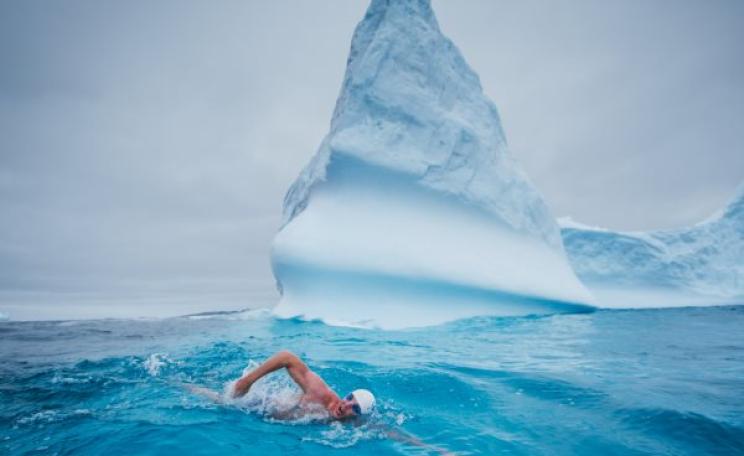
How to campaign for the world's biggest marine protected area in Antarctica's freezing seas? If you're Lewis Pugh, the answer's a simple one: swim there! And before your hands have even recovered from the frostbite, fly off to Moscow to persuade the Kremlin to back the idea. Yannic Rack met the intrepid swimmer in a cosy London pub ...